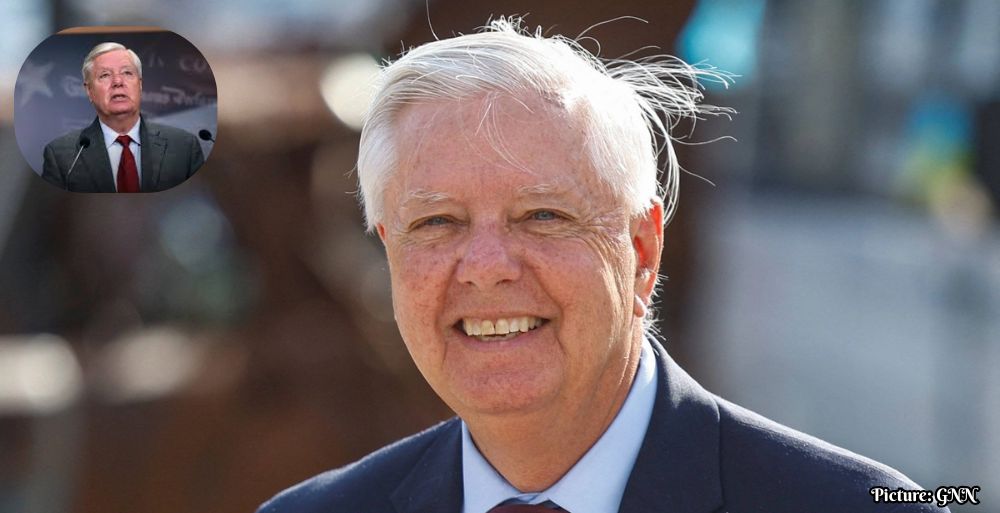
Senator Lindsey Graham, a prominent Republican figure and long-time supporter of U.S. interventionist foreign policy, has died at the age of 71 after a brief and sudden illness, according to a spokesperson for his office.
U.S. Senator Lindsey Graham, a Republican from South Carolina, passed away on Saturday at the age of 71 after suffering from what has been described as a brief and sudden illness. Graham’s death was confirmed by a spokesperson who provided limited details about the circumstances surrounding his passing.
First elected to the Senate in 2002, Graham became a significant figure in the evolution of the Republican Party, transitioning from a critic of former President Donald Trump to one of his closest allies on Capitol Hill. Despite his unwavering support for Trump, Graham maintained a strong advocacy for U.S. global leadership and intervention, often diverging from the isolationist sentiment present among some factions of the party.
Political Career and Foreign Policy Advocacy
Graham was known for his hawkish foreign policy stance, frequently advocating for military intervention in countries such as Iran and Iraq, as well as promoting steadfast U.S. support for allies like Israel and Ukraine. His career was marked by close relationships with influential figures within the Republican Party, including the late Senator John McCain and Trump.
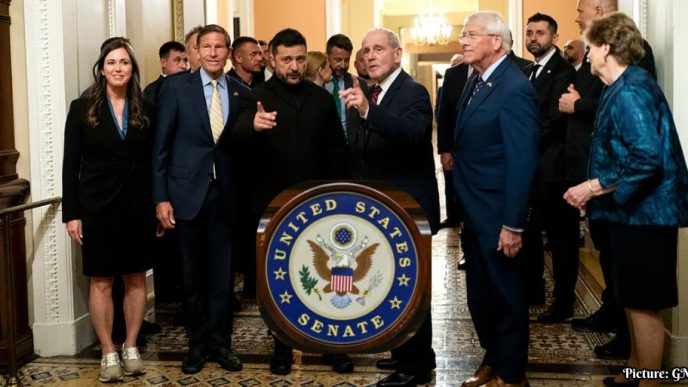
Graham died shortly after returning from a trip to Ukraine, where he had been a vocal supporter of the nation’s defense amid the ongoing conflict with Russia that escalated following the invasion in 2022. Emergency responders were dispatched to his home in Washington, D.C., around 8:30 p.m. after reports of someone experiencing chest pains. The responders faced challenges entering the residence, as the door was reportedly deadbolted.
Following the medical emergency, CPR was administered but ultimately proved unsuccessful. Graham’s family has requested privacy during this difficult time, expressing their gratitude for the prayers and support they have received.
Election Implications and Legacy
At the time of his death, Graham was campaigning for a fifth term in the upcoming midterm elections. South Carolina law allows Governor Henry McMaster to appoint a temporary replacement for Graham’s Senate seat. Additionally, because Graham was seeking reelection, there is now a vacancy in the Republican nomination for the position. The state law stipulates that a special primary election is expected to be held on August 11, with a potential runoff on August 25, although officials have yet to confirm the process.
Graham’s political journey began in the early 1990s, following his service as a city and county attorney in South Carolina. He was elected to the House of Representatives in 1994 and served in the U.S. Air Force as a prosecutor and defense attorney. His early life was marked by personal loss, including the deaths of both parents within a short period, which he faced while attending college.
Graham briefly pursued the Republican presidential nomination in 2015, where he openly criticized Trump, calling him the “most flawed nominee in the history of the Republican Party.” However, his stance shifted dramatically following a meeting with Trump in March 2017, leading him to become one of the president’s most trusted allies in the Senate.
Tributes and Reactions
In the wake of Graham’s passing, tributes from colleagues, foreign leaders, and international allies began to pour in. President Trump paid homage to Graham on his Truth Social platform, calling him a “true American patriot” and expressing that he would be greatly missed.
Senate Majority Leader John Thune acknowledged Graham’s decades of service to the military and public, stating that his influence would be felt for generations, particularly in areas related to the federal judiciary and national defense.
On foreign policy matters, Graham was known for his strong support of Israel, advocating for substantial military aid to the country. Israeli Prime Minister Benjamin Netanyahu expressed profound sadness at Graham’s passing, recognizing him as one of Israel’s greatest friends in Washington. Graham’s unwavering support extended to Ukraine, where he was a persistent advocate for U.S. military assistance following the Russian invasion.
Graham’s legacy as a foreign policy hawk included his staunch opposition to the 2015 nuclear deal with Iran, his support for military action against the regime, and his advocacy for U.S. involvement in conflicts abroad. He played a pivotal role in the Senate regarding military aid to Ukraine and was a consistent voice in favor of sanctions against Russia.
Additionally, Graham previously supported the 2003 U.S. invasion of Iraq and advocated for military strategies during the conflict, emphasizing the need for a robust presence to ensure stability in the region. His opposition to troop withdrawal from Afghanistan signaled a commitment to maintaining U.S. engagement in global affairs.
This is a developing story, and further updates will be provided as more information becomes available.