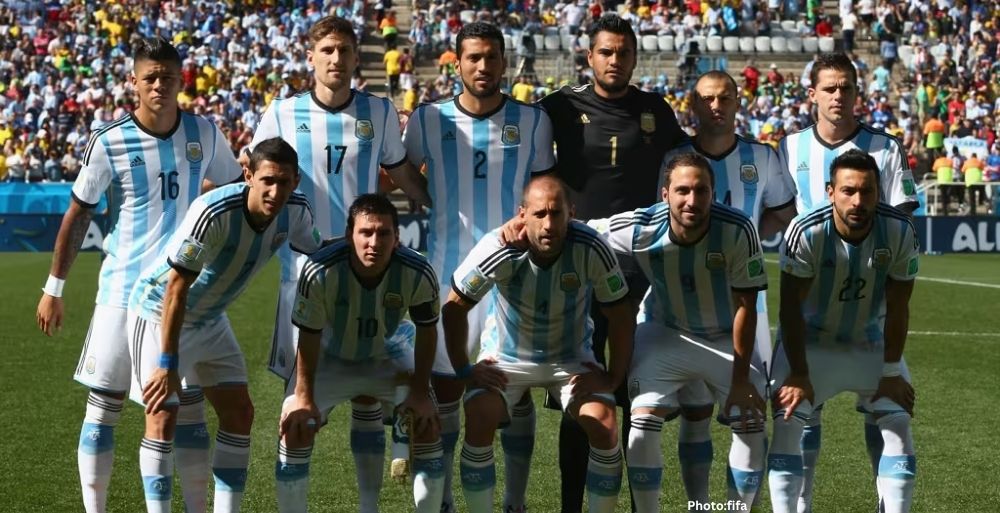
The U.S. men’s national soccer team faced elimination from the World Cup in the round of 16, prompting a reevaluation of both coaching strategies and player capabilities amidst ongoing challenges in international competition.
In a dramatic turn of events at the 2026 FIFA World Cup, the U.S. men’s national team (USMNT) was eliminated in the round of 16, mirroring its previous exits in the last three World Cups. This outcome has reignited discussions regarding the effectiveness of the coaching strategies employed and the overall quality of the player pool available to the team.
After the 2022 World Cup, the U.S. Soccer Federation undertook a comprehensive evaluation process to select a new coach for the national team. This involved a so-called rigorous methodology that the federation claimed included advanced data analytics and psychological assessments. Ultimately, the decision was made to retain Gregg Berhalter, who had already been in charge, signing him to a new three-year contract. However, following the team’s exit from the Copa America group stage a year later, Berhalter was dismissed.
In a bid to revamp the coaching staff without resorting to another lengthy selection process, the federation opted for a high-profile appointment, hiring Mauricio Pochettino, a renowned figure in modern club football, with the financial backing of billionaire Ken Griffin. Pochettino, known for his successful tenure at clubs like Tottenham Hotspur and Paris Saint-Germain, was brought in with a salary reported at $6 million annually.
Transformative Coaching Approach
Pochettino’s coaching philosophy emphasizes an aggressive, high-pressing style, a departure from the previous USMNT approach. During the tournament, his strategies led the team to exhibit a more dynamic playing style, characterized by increased offensive pressure and a commitment to attacking football. Statistical analyses highlight that the Americans controlled approximately 61.4% of the final-third possession in their matches, a stark contrast to past performances.
Despite this newfound strategic direction, the USMNT faced significant challenges, culminating in their loss to Belgium. The team’s performance against Belgium revealed a critical issue: while the USMNT dominated possession, they struggled to convert this into meaningful scoring opportunities. The Americans managed only seven total shots during the match, with their first shot from open play occurring late in the game, raising concerns about their ability to capitalize on their territorial advantages.
Assessing Player Performance
Critics have pointed out that the loss against Belgium was not merely a tactical failure but also a reflection of the players’ overall performance. The USMNT displayed a lack of cohesion and execution, with many players underperforming on the international stage. This has led to questions about the depth of talent within the American player pool, which has struggled to produce world-class talent capable of competing with the best teams globally.
The age and fitness of key players also came under scrutiny. Tim Ream, now 38, was criticized for his performances, reflecting a broader issue of an aging player base without adequate replacements. The failure to develop younger talent who can step into these roles has been a persistent issue for U.S. soccer.
Future Implications
The exit from the World Cup raises critical questions about the future direction of the USMNT. While hiring a high-profile coach like Pochettino signals a commitment to elevating the team, the underlying issue remains: the U.S. still lacks the elite players needed to compete at the highest levels of international soccer. The disparity in talent was evident when facing Belgium, a team that, despite its own struggles, managed to dominate the match.
As the federation considers its next steps, it must grapple with the reality that coaching alone cannot compensate for deficiencies in player development. The hope is that, over the next four years leading into the next World Cup, U.S. Soccer can cultivate a new generation of players capable of rising to the occasion and bringing the national team to a level where it can contend seriously for international titles.
In conclusion, the U.S. men’s national team’s exit from the World Cup serves as a sobering reminder of the challenges that lie ahead. While the coaching staff’s strategic changes have shown promise, the need for sustained investment in player development and talent acquisition is paramount. Only time will tell if the federation can address these critical issues and build a team capable of achieving success in future international competitions.