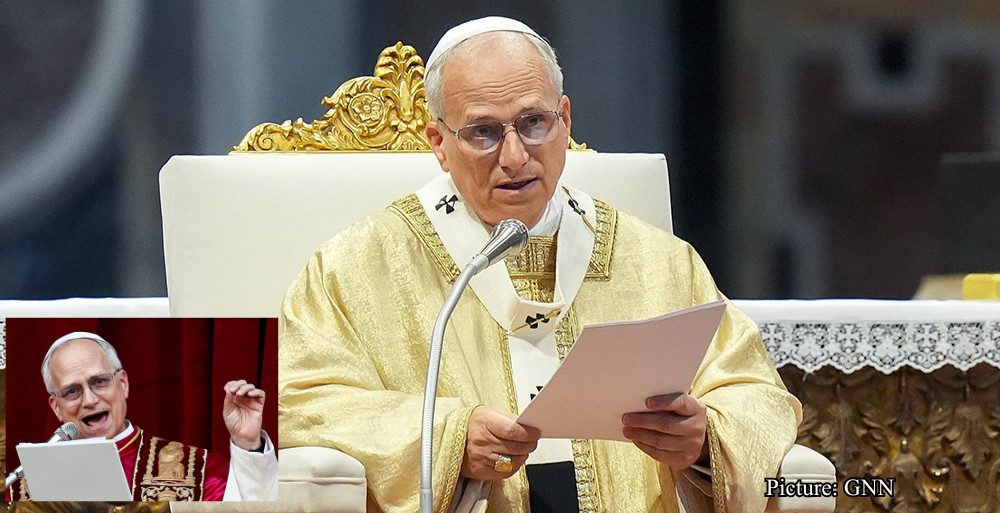

The Vatican has outlined the agenda for an upcoming global family summit, scheduled for October 7-14, 2024, to commemorate the 10th anniversary of ‘Amoris Laetitia,’ focusing on the Church’s pastoral mission towards families.
The Vatican has officially released the framework for a significant meeting involving the heads of Eastern Catholic Churches and presidents of bishops’ conferences, designed to mark the 10th anniversary of Pope Francis’ apostolic exhortation, ‘Amoris Laetitia.’ This gathering, scheduled from October 7 to 14, 2024, aims to foster a synodal dialogue on the Church’s pastoral approach to families in contemporary society.
‘Amoris Laetitia,’ published in 2016 following the 2014 and 2015 Synods on the Family, emphasizes the importance of pastoral care in the context of family life. The forthcoming summit seeks to engage participants in mutual listening and discernment regarding the current needs and challenges faced by families today, while also reflecting on the local Church’s practices.
Objectives of the Summit
The Vatican has characterized this initiative as part of an ongoing process of ‘pastoral conversion,’ highlighting the necessity for renewed evangelization that is deeply rooted in lived experiences. It will encourage participants to consider families not merely as recipients of pastoral care but as active contributors to the Church’s mission. The summit will feature a framework that emphasizes the role of families in embodying the Gospel through their daily relationships, decisions, and challenges.
According to the Vatican’s framework, which was dated July 3 and released on July 6, the participants will engage in listening sessions, share concrete pastoral experiences, and hold dialogues with experts. The goal is to discern the direction in which the Holy Spirit is guiding the Church today while supporting existing practices within families and local communities.
Daily Themes of Discussion
The summit’s agenda is structured around five key themes, each to be discussed on a different day. The first session, titled ‘Families today: reality, beauty and challenges,’ will focus on the contemporary experiences of families and the Church’s current pastoral commitments. This session aims to promote attentive listening to families’ real-life experiences, recognizing both the joys of love and the challenges they face, which include precarious employment, housing instability, health issues, and the complexities of raising children.
Participants will explore questions such as: ‘How do the transformations of our time affect the experience of love, family life, and the transmission of faith?’ This discussion will allow for a deeper understanding of how societal changes impact family dynamics.
The second day’s focus will be on young people and their journey towards discovering the vocation of marriage. The Vatican has noted that in many regions, young individuals are losing confidence in the possibility of establishing stable marital and family units due to various economic and social factors. Questions posed during this session will include: ‘What educational and spiritual pathways can help young people recognize the value of marriage?’ and ‘What role can couples and families play in guiding young people through their emotional and relational development?’
Pope Francis has previously encouraged young people not to fear marriage, underscoring the importance of familial bonds during his travels, including a recent visit to Spain where he reiterated this message.
The third day will cover ‘Married life: the first years of marriage,’ emphasizing the crucial early stages of marriage. The Vatican highlights that the initial years of marriage are particularly formative for couples, as they navigate significant life changes such as welcoming children and balancing work-family dynamics. According to the Pew Research Center, nearly 40% of divorces occur within the first ten years of marriage, with a notable percentage happening within the first four years. The discussions will center around how best to support couples during these formative years to help them cultivate the necessary resources for a successful marriage.
The fourth day’s theme, ‘In the difficulties of life: accompanying and supporting,’ will address the complexities faced by couples and families at various stages of life. This discussion will focus on how the Church can provide support to those encountering relational, social, or spiritual difficulties, emphasizing the importance of compassion and hope within these challenging situations.
Finally, the last day will revolve around the theme ‘Christian families as subjects of the Church’s mission.’ Participants will reflect on how the experiences of couples and families can enrich the Church’s mission in a rapidly changing world. The framework emphasizes that, despite contemporary challenges, families remain central to the faith transmission process to future generations.
Conclusion and Future Directions
Pope Francis announced the gathering on the feast day of St. Joseph, expressing his hope that the meeting will lead to meaningful insights on how to address the evolving dynamics of family life. He stated that the summit would focus on discerning the steps necessary to proclaim the Gospel effectively to families today, highlighting the importance of mutual listening and collaboration within the Church. The Pope entrusted this journey to the intercession of Saint Joseph, the guardian of the Holy Family, as the Church seeks to navigate the complexities of modern family life.