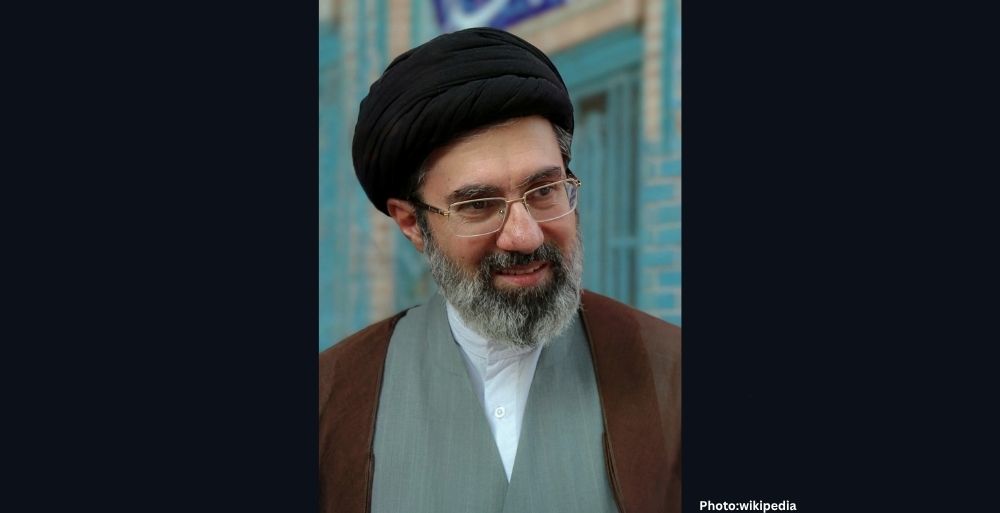
The funeral of Ali Khamenei, the former Supreme Leader of Iran, drew significant public attention and mourning, yet his son, Mojtaba Khamenei, was notably absent, sparking speculation about his health and safety amid ongoing tensions with the United States and Israel.
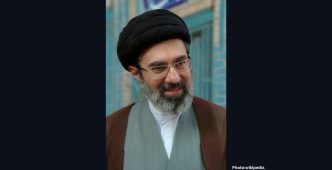
TEHRAN, Iran – The funeral of Ali Khamenei, the former Supreme Leader of Iran, took place on Sunday, drawing thousands of mourners and senior officials from the Iranian government. Notably absent from the proceedings was Mojtaba Khamenei, who has not been seen in public since his appointment in March and is rumored to have been injured in airstrikes that also killed his father.
Ali Khamenei, who served as Supreme Leader from 1989 until his death in February, was laid to rest following a series of events that began on Friday, with ceremonies planned across Iran and Iraq over the coming week. Iranian authorities predict that between 12 to 20 million people will participate in what they have termed the ‘funeral of the century.’
Funeral Arrangements and Attendance
The funeral service began at Tehran’s Grand Mosalla, where Ali Khamenei’s body was lying in state. The service was led by Jafar Sobhani, a prominent Shia cleric aged 97, who has long been a significant figure in Iran’s religious education in Qom. The ceremony saw attendance from high-ranking officials, including President Masoud Pezeshkian and Revolutionary Guards chief Ahmad Vahidi, as well as Khamenei’s three sons: Masoud, Mostafa, and Meysam.
As part of the mourning rituals, Sunday was declared a public holiday across Iran. The funeral procession is scheduled to move through Tehran on Monday, culminating in a burial at Khamenei’s hometown of Mashhad later in the week.
Speculation Surrounding Mojtaba Khamenei
Mojtaba Khamenei’s absence has raised concerns within political circles, particularly given ongoing tensions with Israel, which has been accused of targeting Iranian officials in the past. Speculation about his health has intensified, as he has not appeared publicly since early March, leading to rumors that he may have been wounded in the same airstrikes that claimed his father’s life.
Statements from U.S. President Donald Trump have added to the unease surrounding the situation. In remarks made during the funeral events, Trump indicated that peace talks with Iran had been temporarily halted and mentioned the potential for military action against Iranian leaders. He suggested that with the senior officials gathered at the funeral, the U.S. could strike them all at once, but refrained from taking such action to preserve avenues for negotiation.
Mourning and Public Sentiment
Public sentiment at the funeral reflected a mix of grief and anger, particularly directed towards the U.S. and Israel. Many mourners expressed their dissatisfaction with Trump’s remarks. Zahra Safaei, a mourner, stated, “We did not make a revolution 47 years ago to shed fake tears. We did not sacrifice all these martyrs to shed fake tears,” in response to Trump’s suggestion that the tears shed were insincere.
Reports from the Associated Press and The Guardian indicate that some attendees at the funeral called for Trump’s death, with poet Mohammad Rasouli declaring that “Trump’s murder is our responsibility.” Chants of “death to America” and “death to Israel” echoed throughout the event, reflecting the longstanding animosity toward the U.S. and its allies within significant segments of Iranian society.
Security Measures and Health Concerns
The scale of the mourning events has prompted heightened security across Tehran, with authorities warning of potential crowd crushes given the expected turnout of over 10 million mourners. Reports from Iran’s official news agency Irna noted that more than 4,000 individuals sought medical attention at nearby facilities during the funeral without any reported fatalities.
Images captured during the event depicted relief efforts for attendees suffering from the heat, including the use of misting to keep crowds cool and the transport of an elderly woman on a stretcher, indicating the logistical challenges faced during such a large public gathering.
Legacy of Ali Khamenei
Throughout his leadership, Ali Khamenei maintained a policy of confrontation with the West and supported various anti-U.S. and anti-Israel groups across the Middle East, including Hamas, Hezbollah, and the Houthis. His death marks a significant moment in Iranian politics, with potential implications for the regime’s direction and its ongoing tensions with the West.
Following the procession in Tehran, Khamenei’s coffin will be transported to Qom on Tuesday and will ultimately be buried on Thursday in Mashhad, following a series of ceremonies that underscore the significant role he played in shaping Iran’s contemporary political landscape.