The Trump Administration’s proposed rule would raise the cost of applying for U.S. citizenship, significantly impacting immigrants seeking naturalization.
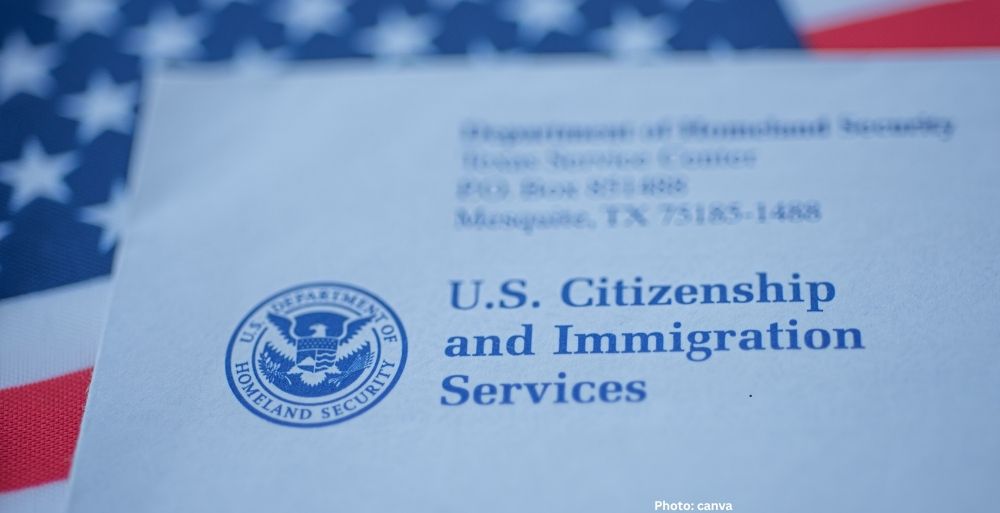
The Trump Administration has announced a proposed rule that could lead to substantial increases in the fees associated with applying for U.S. citizenship. The Department of Homeland Security (DHS) revealed on Monday that the cost to file Form N-400, the application for naturalization, would rise dramatically under the new regulation. Specifically, the proposed changes would increase the filing fee for paper applications by 75%, elevating it from $760 to $1,330, while the online filing fee would see an 80% hike, from $710 to $1,280.
Alongside these increases, the proposal includes the elimination of the reduced fee option currently available to immigrants whose household income is at or below 400% of the Federal Poverty Guidelines. Additionally, the DHS is looking to terminate the fee waiver options for this form, although current and former military service members would remain eligible for fee exemptions.
As of now, it is unclear when or if these fee increases would be implemented, as the proposed rule must undergo a public comment period before any final decision is made. This process allows stakeholders and the public to express their opinions on the proposed changes before they are enacted.
DHS stated that the rationale behind the proposed fee hikes is to recover the full costs associated with processing these applications. In their announcement, the agency noted that the current fees do not cover the complete costs of adjudicating naturalization applications, which includes necessary screening and vetting processes that are continuously being improved in line with Executive Orders from the President.
Context of the Proposal
The proposed fee increases come as part of a broader initiative by the Trump Administration to reform immigration policy, with a particular focus on both legal and illegal immigration. This initiative has positioned stricter immigration enforcement and reduced pathways to citizenship as key components of the administration’s agenda during the President’s second term. Notably, the administration has sought to revoke the citizenship of more than two dozen naturalized Americans this year, an action that has drawn significant criticism from immigration advocates and legal experts alike.
The proposed rule indicates a shift in the DHS’s approach to citizenship fees. “DHS now believes aliens filing these forms should pay the full cost of adjudication,” reads the proposal. It further emphasizes that U.S. citizenship is a critical benefit that should not be subsidized by fees for other immigration applications. This stance marks a departure from the practices of previous administrations, which had aimed to keep naturalization fees low to encourage citizenship applications among lawful permanent residents.
Implications for Immigrants
Experts in immigration policy have voiced concerns regarding the potential impact of these proposed fee increases on immigrants seeking to become naturalized citizens. They argue that making the application process more expensive could disproportionately affect low-income immigrants, effectively putting citizenship out of reach for many. Aaron Reichlin-Melnick, a senior fellow at the American Immigration Council, noted in a post on X that the U.S. government has traditionally kept citizenship application fees low to encourage millions of green card holders to pursue citizenship. “No longer,” he stated, highlighting a significant shift in policy priorities.
Critics of the proposed fee increases argue that this change could create additional barriers for immigrants who have already navigated a challenging legal pathway to secure their status in the United States. With the rising costs of living and economic uncertainties, the financial burden of applying for citizenship may deter many from pursuing this crucial step towards full participation in American society.
Next Steps in the Process
As the proposed changes are still in the preliminary stages, the public will have an opportunity to provide feedback on the rule. The timeline for implementation remains uncertain, as the department is required to consider public input before finalizing any decisions regarding the fee structure. This process of public comment is an essential component of regulatory policy, intended to ensure that diverse perspectives are taken into account before enacting significant changes that affect immigration procedures.
In conclusion, the Trump Administration’s proposed fee increases for the citizenship application process underscore a significant reevaluation of immigration policy priorities. While the administration argues that the changes are necessary to cover processing costs, the potential consequences for immigrants seeking citizenship could be profound, affecting their ability to fully integrate and participate in American society.