The heat index, a critical measure of how hot it feels when humidity is factored in with temperature, is gaining importance as extreme heat events become more frequent due to climate change. Experts emphasize the need for awareness and preventive measures to mitigate heat-related illnesses this summer.
The summer months in the United States bring not only rising temperatures but also the increasing threat of heat-related illnesses. The heat index, often referred to as the “feels like” temperature, plays a significant role in understanding the true impact of heat on human health. As climate change intensifies, this measure is becoming increasingly relevant.
What is the Heat Index?
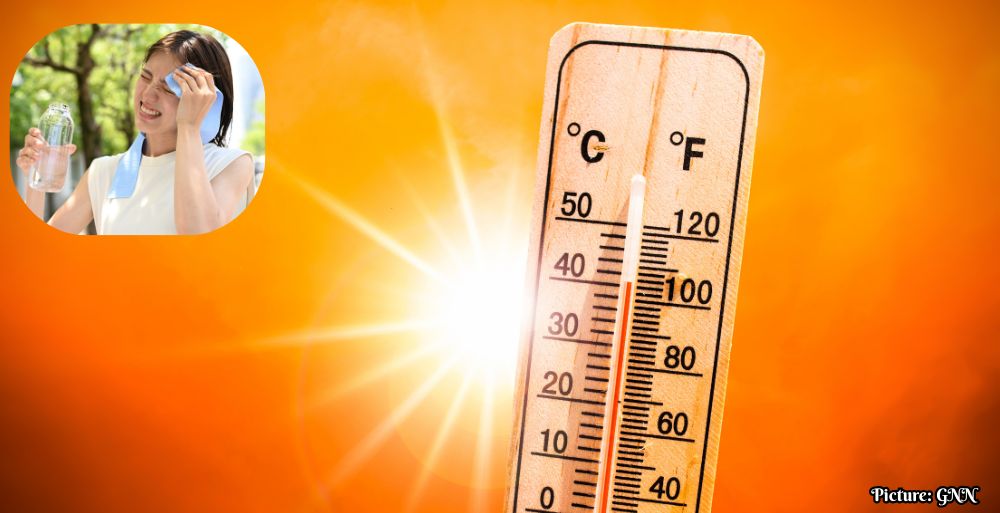
The heat index is a calculation that combines air temperature and humidity to determine how hot it actually feels to the human body. For example, when the air temperature reaches 90 degrees Fahrenheit with a humidity level of 70 percent, the heat index can feel as high as 106 degrees. This phenomenon is particularly pronounced in the Southern and Southeastern United States, where high humidity levels are common due to proximity to warm bodies of water such as the Gulf of Mexico and the Atlantic Ocean.
Janessa Webb, chief meteorologist at WCCB Charlotte, emphasizes the importance of understanding the heat index: “It will feel different as you step outside, and if you are not prepared, it can really sneak up on you and catch you off guard.” Kregg Laundon, an emergency medicine physician at Southeast Georgia Health System, adds that high humidity can hinder the body’s ability to cool itself through sweating, leading to severe heat-related conditions.
Historical Context and Limitations of Current Measurements
The heat index was first introduced by physicist Robert Steadman in 1979. The National Weather Service (NWS) subsequently developed its version of the heat index based on Steadman’s work, which is still in use today. However, Steadman’s original calculations had limitations; he was unable to compute the heat index above 88 degrees, leading to potential inaccuracies in extreme heat scenarios.
David Romps, a professor of climate physics at the University of California, Berkeley, points out that the mathematical model used by the NWS may understate how hot it feels during severe heat waves. “Once the temperature falls outside of the range defined by Robert Steadman, no one actually knows what happens beyond that,” he states. This gap in knowledge can result in underestimations of the heat index by as much as 10 to 20 degrees in some cases.
Revising the Heat Index for Modern Conditions
In a recent study, researchers Lu and Romps revisited Steadman’s calculations to extend the heat index for higher temperatures and humidity levels. They argue that their findings provide a more accurate picture of how heat affects the human body. For instance, they suggest that when the temperature is 100 degrees with 65 percent humidity, the heat index feels closer to 153 degrees, significantly higher than the NWS’s estimate of 136 degrees.
The NWS acknowledges the updated research but has refrained from endorsing or critiquing external studies, stating that it continuously evaluates its heat forecast tools for potential improvements. A spokesperson noted that the NWS utilizes multiple tools, including the Wet Bulb Globe Temperature and HeatRisk, to offer a comprehensive understanding of extreme heat risks.
Public Health Implications and Recommendations
Despite improvements in understanding the heat index, public health experts warn that merely updating the heat index is insufficient for safeguarding communities most affected by extreme heat. Tarik Benmarhnia, a professor of epidemiology at the University of California, San Diego, emphasizes that access to information about the heat index may not reach vulnerable populations. He advocates for a more integrated approach that combines health data with heat index calculations to better inform and protect at-risk communities.
Laundon urges individuals to take personal precautions during periods of high heat index. Recommendations include staying hydrated—suggesting a ratio of two waters for every electrolyte drink—resting in shaded or air-conditioned areas, wearing appropriate clothing, and avoiding outdoor activities during peak heat hours. He also stresses the importance of checking on vulnerable individuals, such as the elderly or those without reliable air conditioning.
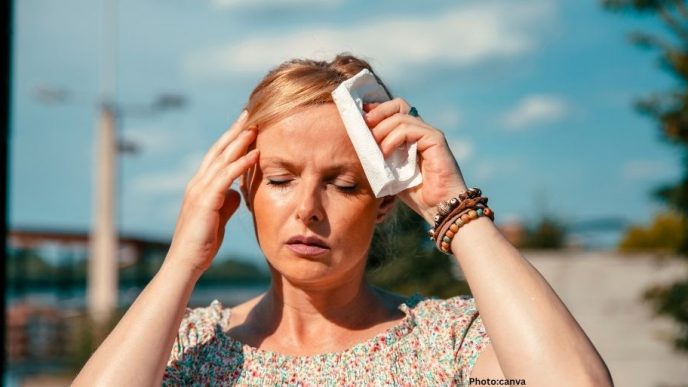
Recognizing symptoms of heat-related illnesses is crucial. Early signs of heat exhaustion can include cramping, headache, and dizziness. More severe symptoms, indicative of heat stroke, may involve confusion or loss of consciousness. Immediate action is critical when someone shows these signs, including calling for medical assistance and applying ice to help lower body temperature.
Conclusion
As extreme heat events become more frequent due to climate change, understanding the heat index and its implications for public health is essential. Experts agree that while revisions to heat index calculations are beneficial, a multifaceted approach is necessary to effectively combat the risks associated with extreme heat. The public must remain informed and vigilant as they navigate the challenges of a warming climate.