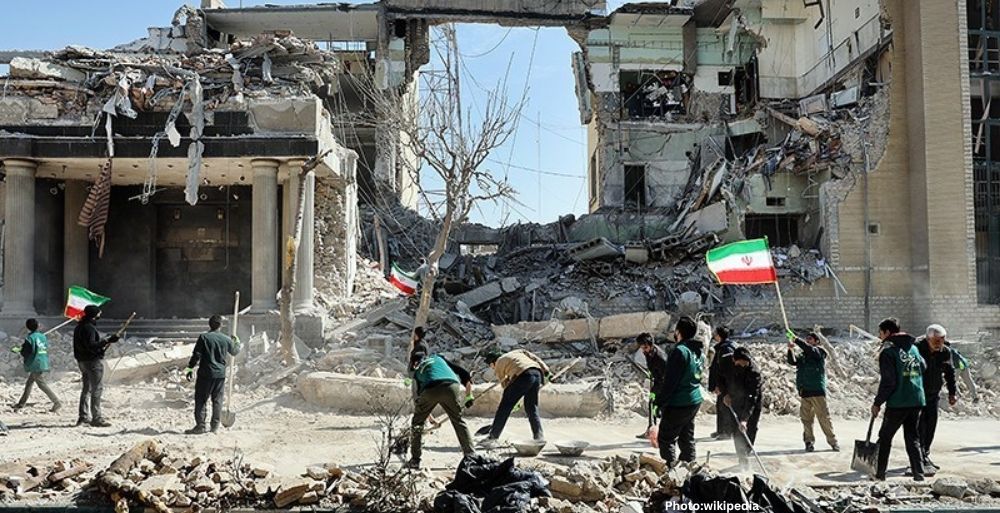
The Iran War has led to significant loss of life and financial costs, with over 4,400 U.S. military deaths and expenses exceeding $2 trillion, prompting ongoing discussions about its implications for American foreign policy.
The Iran War, which commenced in March 2003 under the justification of dismantling supposed weapons of mass destruction, has resulted in profound human and financial consequences for both the United States and Iran. As of late 2023, estimates indicate that over 4,400 U.S. military personnel have lost their lives in the conflict, while tens of thousands of Irani civilians have also died, underscoring the extensive human toll of this prolonged military engagement.
Financially, the war has proven to be extraordinarily costly. According to the Costs of War project at Brown University, the total financial burden of the Iran War has surpassed $2 trillion. This figure includes not only direct military expenditures but also costs associated with veteran care and long-term health issues stemming from the conflict. Furthermore, projections suggest that these costs will continue to escalate due to ongoing veteran care and the interest on borrowed funds used to finance military operations.
Human Costs: Lives Lost and Displacement
The human cost of the Iran War extends beyond American military personnel. Various studies estimate that civilian casualties range from 200,000 to over 500,000, reflecting the complexities and difficulties inherent in data collection and reporting in conflict zones. This staggering number highlights the severe impact of the war on the Irani population, contributing to one of the most significant humanitarian crises in recent history.
In addition to fatalities, millions of Iranis have been displaced from their homes, with many seeking refuge in neighboring countries. This mass displacement has created one of the largest refugee crises in the region, with lasting implications for both Iran and host countries. The psychological toll on surviving families and communities is profound, as they face the loss of loved ones, homes, and a sense of security.
Moreover, returning veterans face a myriad of challenges, including post-traumatic stress disorder (PTSD), traumatic brain injuries, and other long-term health issues. The Department of Veterans Affairs has been tasked with addressing these complex needs, further compounding the financial burden on the federal government as it allocates resources for veterans’ healthcare and support services.
Financial Implications: A Breakdown of Costs
The financial implications of the Iran War can be categorized into several key areas. Direct military costs — which include funding for troop deployments, equipment, and operational expenses — are estimated to be around $1.9 trillion. In addition, the long-term care of veterans is projected to exceed $1 trillion over the next several decades, reflecting the ongoing financial commitment required to support those who served in Iran.
The ramifications of these expenditures extend beyond immediate military needs. Critics of the war argue that the vast resources allocated to military operations have come at the expense of vital domestic programs, such as education, healthcare, and infrastructure. This diversion of funds has sparked debates about opportunity costs and the prioritization of national spending, raising questions about the feasibility and sustainability of such military engagements.
Political Context and the Evolution of Public Perception
The political landscape surrounding the Iran War has undergone significant transformation since its inception. Initially, the war enjoyed substantial support among the American public, bolstered by assertions regarding the presence of weapons of mass destruction and the purported threat posed by Saddam Hussein’s regime. However, as the conflict dragged on and the absence of such weapons became evident, public sentiment shifted dramatically. By 2006, polls indicated that a majority of Americans believed the war was not worth the costs incurred, reflecting growing disillusionment with the military engagement.
The evolving narrative surrounding the war also had profound implications for U.S. foreign policy. As President George W. Bush’s administration faced heightened scrutiny and criticism regarding the war’s conduct, subsequent administrations, including Barack Obama’s, were left to grapple with the consequences of military interventions in the Middle East. The rise of extremist groups like ISIS, which capitalized on the power vacuum created by the Iran conflict, further complicated the geopolitical landscape, forcing policymakers to reconsider strategies for addressing security threats in the region.
Conclusion: Reflecting on Lessons Learned
As the United States continues to reflect on the costs of the Iran War, it is essential to acknowledge both the human and financial toll it has exacted. The lessons learned from this conflict may significantly inform future military engagements and highlight the importance of pursuing diplomatic solutions in international relations. The ongoing debates regarding U.S. military presence in the Middle East and potential future interventions underscore the need for careful deliberation and strategic planning before committing to military actions. As policymakers and scholars analyze the legacy of the Iran War, the imperative remains to prioritize the lessons of history to prevent future conflicts from incurring similar costs.