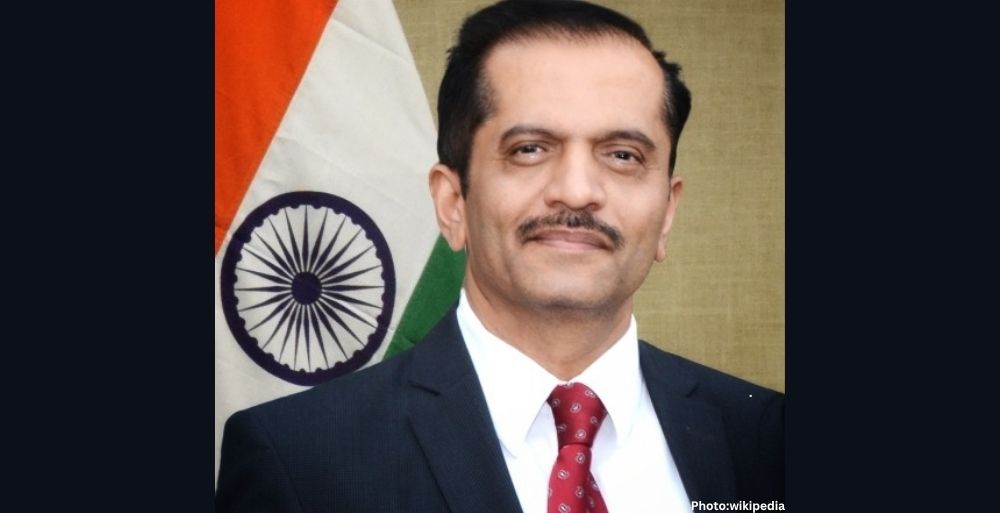
Indian jurist Bimal Patel has been elected as a judge of the International Tribunal for the Law of the Sea, representing India’s ongoing commitment to multilateralism and international maritime law.
United Nations — Bimal Patel, a prominent Indian jurist, has been elected to serve as a judge on the International Tribunal for the Law of the Sea (ITLOS), effective September. His election was confirmed during the 36th meeting of states parties to the United Nations Convention on the Law of the Sea (UNCLOS) held on Thursday, marking a significant milestone for India’s representation in international maritime law.
Patel’s election guarantees that India will maintain its presence on the tribunal, succeeding Neeru Chadha, who has served as a judge and vice president since her appointment in 2014. Chadha’s term will conclude this September, underscoring the importance of Patel’s election in continuing India’s influence in maritime legal matters on a global scale.
Background and Credentials
Bimal Patel currently serves as the vice chancellor of Rashtriya Raksha University in Gujarat, India, a position that aligns with his expertise in legal and security matters. He is also a member of the United Nations International Law Commission, which plays a crucial role in the development and codification of international law. Furthermore, Patel is part of the National Security Advisory Board under the National Security Council Secretariat, reflecting his engagement in high-level discussions regarding India’s national security policies.
His academic credentials include doctoral degrees in international law from Leiden University in the Netherlands and Jaipur National University in India. These qualifications bolster his expertise as he prepares to take on the responsibilities of a judge at ITLOS, where he will adjudicate complex maritime disputes and contribute to the interpretation of international maritime law.
The Indian mission to the United Nations emphasized the significance of Patel’s election, characterizing it as a continuation of India’s steadfast commitment to multilateralism and the principles established in the Law of the Sea. Indian diplomats have actively campaigned for Patel’s candidacy since last year, reflecting a strategic diplomatic push to ensure India remains a vital player in global maritime governance.
Election Details and Results
During the recent election, a total of seven judges’ positions were contested, including two allocated specifically to candidates from the Asian region. Patel secured his position alongside Nguyen Lan-Anh Thi from Vietnam, who also won a seat on the tribunal. Notably, Kriangsak Kittichaisaree of Thailand, a sitting judge, was not reelected, and Indonesia withdrew its candidate prior to the voting process, highlighting the competitive nature of the election.
In total, Patel received 115 out of 168 valid votes cast, a significant endorsement given that the UNCLOS currently comprises 172 member countries. The tribunal itself consists of 21 judges who are tasked with adjudicating disputes related to the seas and oceans, as well as interpreting international maritime law. This election is emblematic of the ongoing efforts by member states to ensure that the tribunal reflects a diverse and representative body capable of addressing contemporary maritime challenges.
Reactions and Implications
Following Patel’s election, External Affairs Minister S. Jaishankar extended his congratulations, thanking the member states of the convention for their support. In a statement shared on the social media platform X, Jaishankar expressed, “Congratulations Dr. Bimal Patel! Sincerely thank UNCLOS member states for their support.” This acknowledgment from a senior Indian official underscores the importance of Patel’s appointment not only for India but also for enhancing the tribunal’s effectiveness in resolving maritime disputes.
Patel’s election embodies a broader strategic diplomatic effort by India to strengthen its influence within international legal frameworks and multilateral institutions. As global maritime disputes evolve, Patel’s role on the tribunal is anticipated to impact how these disputes are managed, particularly against the backdrop of rising tensions in various maritime regions. His extensive background in international law and security will likely inform his contributions to the tribunal’s deliberations.
As Patel prepares to assume his new responsibilities, the international community will closely monitor how his expertise will enhance the tribunal’s mission of promoting the rule of law at sea, addressing maritime disputes, and fostering cooperation among member states. His tenure is expected to align with ongoing discussions surrounding critical maritime issues, including territorial claims, environmental regulations, and the protection of maritime resources.
Overall, Patel’s election is a testament to India’s continued commitment to playing a proactive role in international maritime law and reflects the nation’s broader aspirations within the global legal landscape. The implications of his appointment extend beyond national interests, as they contribute to the stability and governance of maritime spaces that are increasingly contested in today’s geopolitical climate.