The ongoing US-Iran peace talks in Switzerland are overshadowed by escalating tensions, with President Donald Trump threatening military action against Iran unless it curtails the activities of its proxies in Lebanon.
In a series of statements posted on his social media platform Truth Social, President Donald Trump issued a stark warning to Iran, demanding that the country immediately stop its “highly paid PROXIES in Lebanon from causing trouble.” He emphasized that failure to comply would result in the US striking Iran “very hard again, just like we did last week, only harder!!!” This threat arises amidst critical negotiations aimed at establishing a ceasefire and improving relations between the United States and Iran, currently taking place in Switzerland.
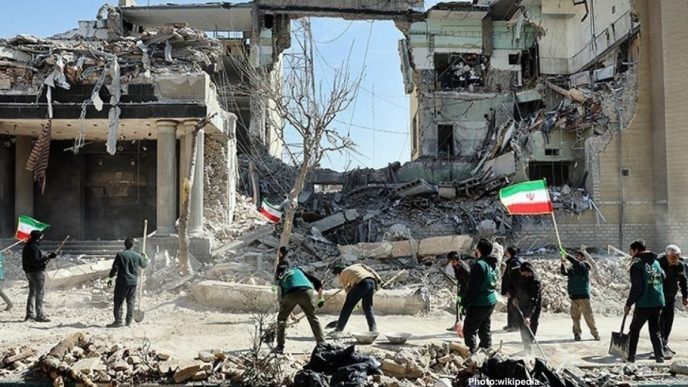
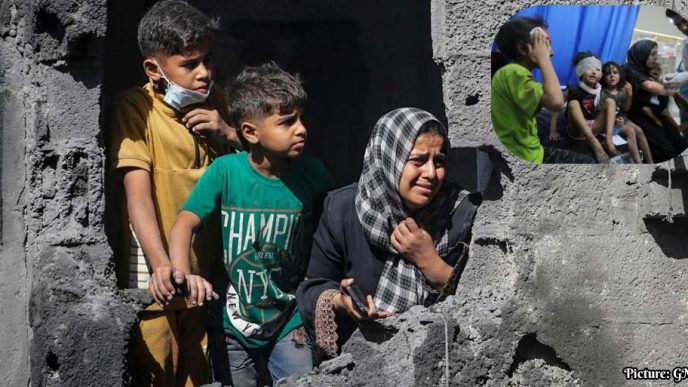
These talks, which US Vice President JD Vance described as having made “great progress,” have been complicated by recent military actions. Trump’s comments specifically referenced Hezbollah, the Lebanese militant group that has been involved in attacks on Israel, escalating the ongoing conflict in the region. A series of Israeli airstrikes in southern Lebanon over the weekend reportedly resulted in the deaths of at least 16 individuals, according to local authorities. The Lebanese civil defense agency reported that it had transported 16 dead and 12 wounded to hospitals in the Nabatieh district, underscoring the urgency of the situation as a renewed ceasefire was reportedly on the table.
Context of the US-Iran Negotiations
The backdrop to these negotiations includes a complex tapestry of regional instability, marked by Iran’s involvement through proxies across the Middle East. In particular, Hezbollah’s recent actions have threatened to derail the ongoing discussions aimed at reaching a preliminary peace agreement between the US and Iran. The stakes are further heightened by the involvement of regional players, such as Pakistan’s Prime Minister Shehbaz Sharif, who has been mediating between the two nations. Sharif praised Trump’s leadership, hoping for productive outcomes from the summit.
Vice President Vance characterized the ongoing talks as historic, noting that they mark an unprecedented level of engagement between Iranian and American leadership. He expressed hope that the negotiations could pave the way for a transformation in US-Iran relations, emphasizing a desire for cooperation to promote regional peace and prosperity. Vance acknowledged Iran’s role as a destabilizing force but remained optimistic about finding common ground.
Military Tensions and Regional Implications
As the peace talks continue, military tensions remain palpable. Israeli military officials have indicated a significant setback for Hezbollah, with Israeli Army Chief Lieutenant General Eyal Zamir stating that the group is now in a “very difficult position” due to ongoing clashes with Israeli forces. The Israeli military remains committed to preventing Hezbollah from regrouping and enhancing its capabilities.
Trump’s warnings extended to the strategic Strait of Hormuz, a vital shipping lane for global oil supplies. He threatened severe repercussions should Iran attempt to close the strait, stating, “You close it and you won’t have a country.” Trump also suggested that the US could take control of the strait if necessary, indicating a willingness to exert military pressure in the region. This assertion highlights the critical nature of the Strait of Hormuz, through which approximately one-fifth of the world’s oil supply is transported.
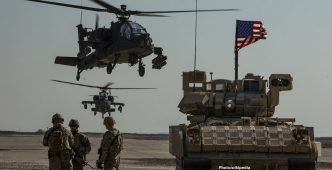
Energy Secretary Chris Wright reported that 67 ships passed through the Strait of Hormuz in the last 24 hours, with US military support ensuring safe passage despite Iranian threats and naval mines reportedly placed in the region. This ongoing military presence underscores the delicate balance of power in the area, as the US aims to maintain open shipping lanes while addressing Iranian provocations.
International Reactions and Future Prospects
The international community is closely monitoring these developments, with various regional powers advocating for a successful conclusion to the talks. Saudi Arabia, Turkey, and Egypt have voiced support for swift progress in negotiations, emphasizing the need for a resolution that addresses security concerns in the Gulf.
As the discussions unfold in Switzerland against this backdrop of military confrontation and political maneuvering, the potential for a lasting agreement remains uncertain. The situation continues to evolve, with critical decisions lying ahead for both the US and Iran as they navigate the complex dynamics of regional geopolitics.
Impact on Global Markets and Oil Prices
The ongoing conflict has significant implications for global markets, particularly concerning oil prices, which are sensitive to developments in the Middle East. Analysts are closely watching the situation as fears of escalating military confrontation could lead to supply disruptions, thereby impacting global oil prices. The tension surrounding the Strait of Hormuz, if unresolved, could lead to increased volatility in oil markets, affecting economies worldwide.
Recent statements from US officials suggest a strategic approach to mitigating these risks. The US military’s active role in guiding maritime traffic through the Strait of Hormuz is aimed at preventing potential disruptions while assuring allies of its commitment to regional stability. The ongoing negotiations in Switzerland represent a critical juncture, as both sides attempt to navigate a path toward de-escalation and a potential ceasefire.
Conclusion: A Fragile Path Forward
The path to peace between the US and Iran is fraught with challenges, as evidenced by the interplay of military actions and diplomatic efforts. While the ongoing talks in Switzerland may represent a historic opportunity for dialogue, the realities on the ground—marked by violence and mutual distrust—pose significant obstacles to progress. The international community remains hopeful for a resolution that can lead to lasting stability in a region long plagued by conflict.