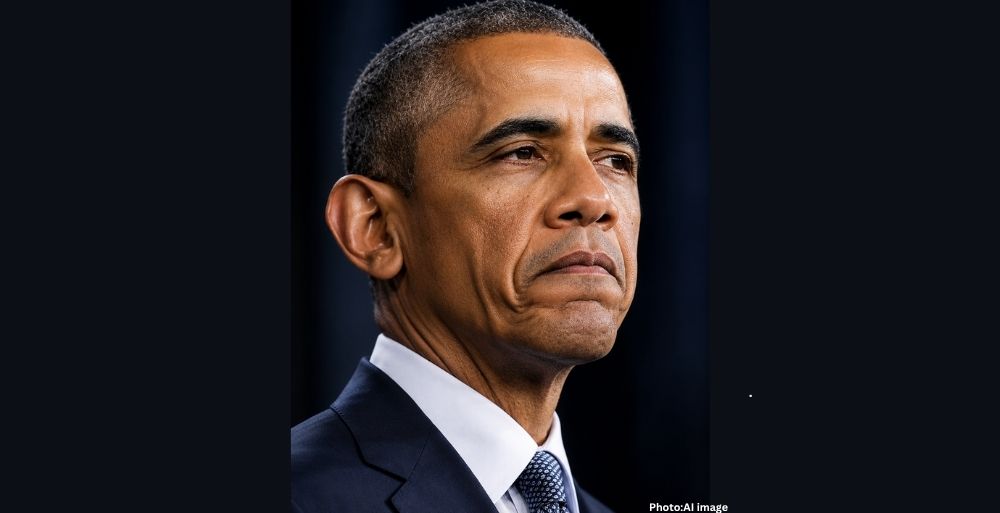
Former President Barack Obama criticized the Trump administration’s strategy in Iran, emphasizing the human and financial costs of the conflict during an interview that coincided with the opening of his presidential library in Chicago.
Former President Barack Obama publicly criticized the Trump administration’s handling of the ongoing conflict with Iran, emphasizing significant human and financial tolls associated with military engagement. In an interview with NBC News’s Craig Melvin, which aired Friday morning, Obama reflected on the consequences of the war, stating, “We’ve now fought a war, spent billions and billions of dollars, put an enormous strain on our military, a lot of people have died and it feels like we are back where we were before we started the war, except maybe a little worse off.”
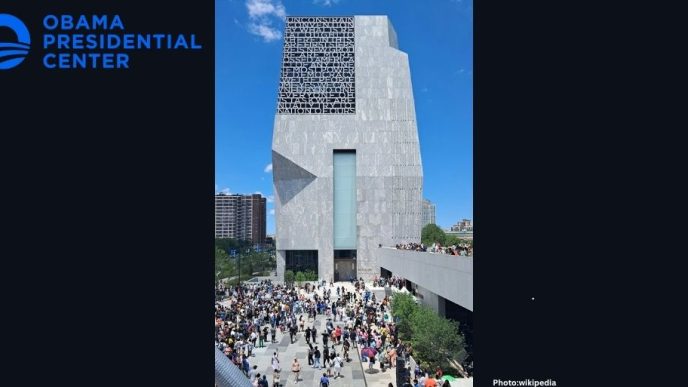
The interview took place as Obama attended the public opening of his presidential library in Chicago, following a high-profile ceremony featuring various notable figures. The library includes numerous exhibits, one of which focuses on the Iran nuclear agreement, known as the Joint Comprehensive Plan of Action (JCPOA), a significant foreign policy achievement during his presidency.
Critique of Withdrawal from the JCPOA
During the interview, Obama reiterated his discontent with President Trump’s decision to withdraw from the JCPOA in 2018, a pivotal agreement aimed at curbing Iran’s nuclear ambitions in exchange for sanctions relief. He expressed cautious optimism over a recent ceasefire, stating, “I am very happy to see a ceasefire, and I am hopeful that it holds.” However, he stressed that the original rationale for military involvement was undermined by the withdrawal from the nuclear deal, which he attributed to escalating tensions. Obama noted, “This administration, or a prior administration, pulled out of it, which caused then Iran to develop more nuclear capacity.”
In a significant development, President Trump recently signed a memorandum of understanding with Iran, which facilitates technical discussions aimed at resolving the ongoing conflict and reopening the Strait of Hormuz, a crucial maritime passage for global oil trade. This agreement has drawn scrutiny from some Republican lawmakers who question its potential effectiveness, particularly regarding provisions related to a proposed $300 billion reconstruction fund and the easing of sanctions on Iran.
Republican Response and Concerns
Many GOP lawmakers appear resistant to revisiting the JCPOA format. Senator Joni Ernst (R-Iowa) articulated her stance during an interview with NewsNation, asserting her opposition to what she termed “JCPOA 2.0.” This sentiment reflects a broader skepticism among Republicans about negotiations that might lead to Iran receiving financial benefits despite its nuclear capabilities. Ernst’s comments underscore a growing division within Congress regarding the best approach to handle the Iranian regime and its nuclear ambitions.
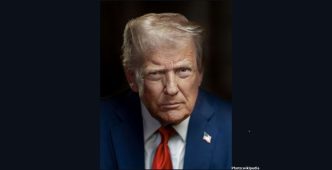
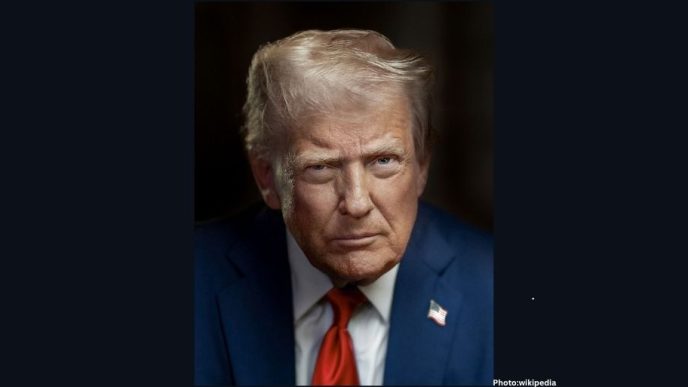
Trump, in a Thursday interview with Axios, defended the terms of the recent agreement, asserting that it achieved his objective of securing an “unconditional surrender” from Iran. He emphasized that the negotiations were not motivated by desperation from the U.S., but rather from Iran, claiming, “We didn’t meet out of desperation, Iran did. They are FINISHED! We’ll play out the 60 days. They get no money, not ten cents!”
Contextualizing the Conflict
The Iran conflict has deep historical roots, with tensions escalating significantly after the U.S. withdrawal from the JCPOA. The deal, which was aimed at limiting Iran’s nuclear capabilities in exchange for sanctions relief, marked a pivotal point in U.S.-Iran relations. Following the withdrawal, Iran resumed its nuclear activities, resulting in heightened anxieties within the international community regarding its nuclear potential.
Financially, the costs of military engagement in Iran have been substantial. The expenditures associated with the conflict, coupled with the loss of life, have raised questions about the effectiveness of U.S. military interventions and the long-term strategic outcomes. Critics argue that the current situation reflects a cycle of conflict without clear resolution, echoing sentiments expressed by Obama regarding the perceived regression in U.S. standing in the region.
Obama’s comments come amid a broader discourse on U.S. foreign policy and military engagement strategies. His reflections on the costs of the Iran war resonate with ongoing debates about the effectiveness of American military power in achieving geopolitical goals. The financial toll of military operations, which has reached billions of dollars, prompts questions about priorities in U.S. defense spending, especially given other pressing domestic needs.
As the political landscape evolves, the ramifications of recent agreements and the future of U.S.-Iran relations remain uncertain. The differing perspectives within Congress, particularly among Republican lawmakers, signal a contentious debate over the best approach to addressing Iran’s nuclear ambitions and regional influence. Trump’s recent actions, coupled with Obama’s critiques, illustrate the complexities and challenges in formulating a coherent and effective U.S. policy toward Iran.
In conclusion, as the situation develops, it will be crucial for lawmakers to consider both the historical context and the potential implications of their decisions on U.S. foreign policy and national security. The discourse surrounding the Iran conflict serves as a reminder of the intricate balance between diplomacy, military engagement, and international relations.