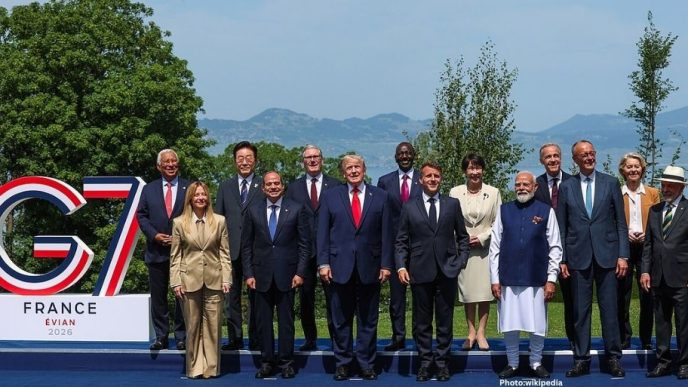
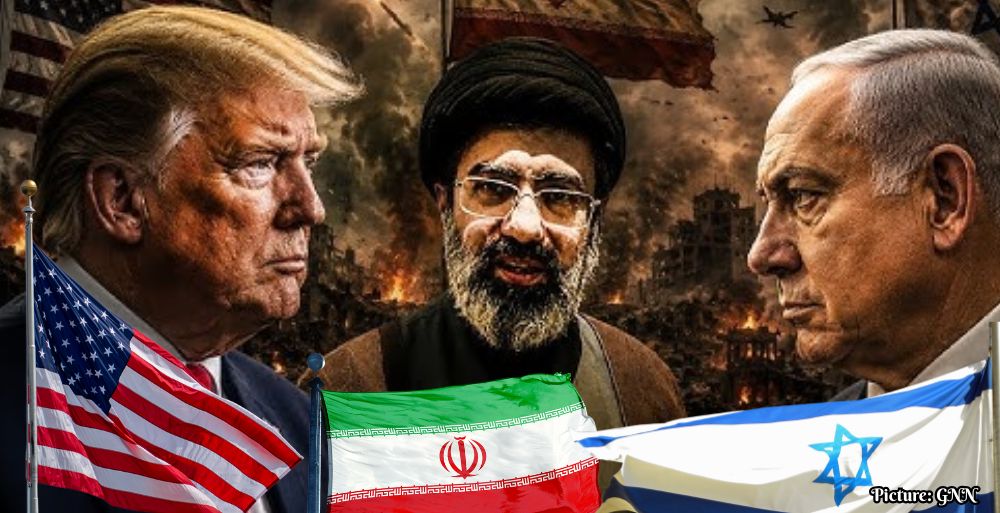
At the Group of Seven (G7) summit in Évian-les-Bains, France, U.S. President Donald Trump is balance-testing his newly announced preliminary peace framework with Iran against widening regional conflicts and skeptical European allies. While Trump pledged the public release of the agreement’s text and insisted that subsequent rounds of technical negotiations would be uncomplicated, ongoing combat between Israel and Hezbollah has cast a shadow over the summit. In uncommonly blunt terms, Trump publicly criticized Israeli Prime Minister Benjamin Netanyahu, instructing him to be more responsible in Lebanon, even as world leaders demand explicit clarity regarding the enforcement mechanism and geopolitical concessions underlying the U.S.–Iran memorandum of understanding.
A Fragile Truce Dominates the Lakeside Summit
ÉVIAN-LES-BAINS, France — U.S. President Donald Trump arrived at the annual G7 summit of industrialized nations on the shores of Lake Geneva this week, attempting to parlay a surprise bilateral memorandum of understanding (MOU) with Tehran into a landmark foreign policy victory. However, the opening sessions of the three-day diplomatic gathering have instead highlighted deep rifts between Washington, its European allies, and its primary Middle Eastern partner, Israel.
The agreement, which aims to formally end the direct military conflict between the United States and Iran that has depressed global markets and frozen critical shipping infrastructure for months, was met with a mix of public congratulations and private anxiety from G7 hosts. European leaders, including French President Emmanuel Macron and German Chancellor Friedrich Merz, have expressed frustration over a persistent lack of prior consultation by the Trump administration before major strategic shifts.
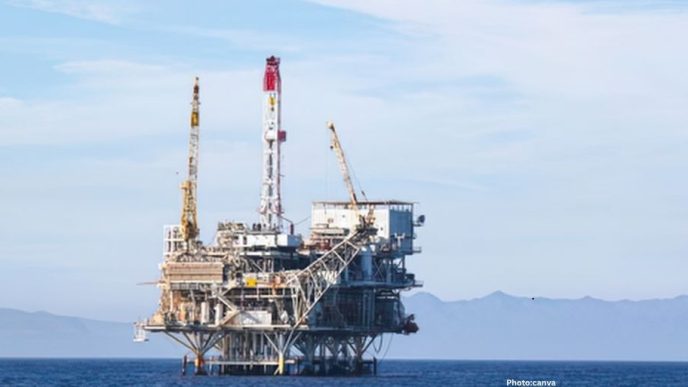
While President Trump proclaimed to reporters upon arrival that “the deal’s all signed” and noted that the critical Strait of Hormuz—the thoroughfare for roughly 20% of the world’s crude oil supply—would be completely open by Friday, the operational reality on the ground remains intensely precarious.
Public Friction and Private Demands for Clarity
Inside the summit rooms, the atmosphere was described by senior diplomatic sources as “frank” and occasionally tense. European counterparts are aggressively seeking clarity on the precise text of the framework. Critics have pointed out that the document, negotiated in large part via mediation by Pakistani Prime Minister Shehbaz Sharif, remains structurally vague on long-term enforcement.
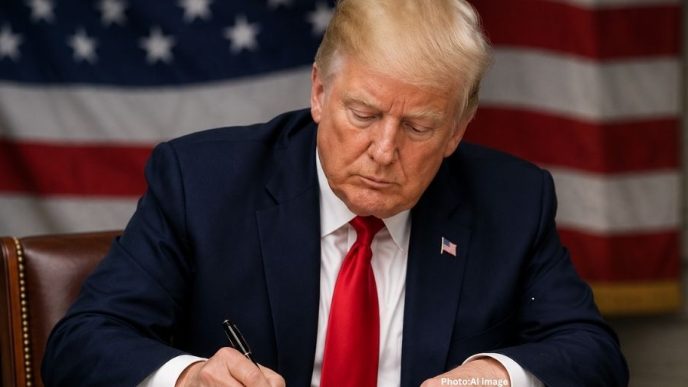
Addressing journalists at a working lunch on Tuesday, President Trump pushed back against domestic and international skepticism regarding the transparency of the deal. He promised that the White House would publicly release the full text of the agreement within the next 24 to 48 hours.
“I’ll release it in a couple of days,” Trump stated, gesturing broadly to the press pool. He floated the idea of reading the document aloud in front of television cameras to emphasize its terms before submitting it to Congress for formal review.
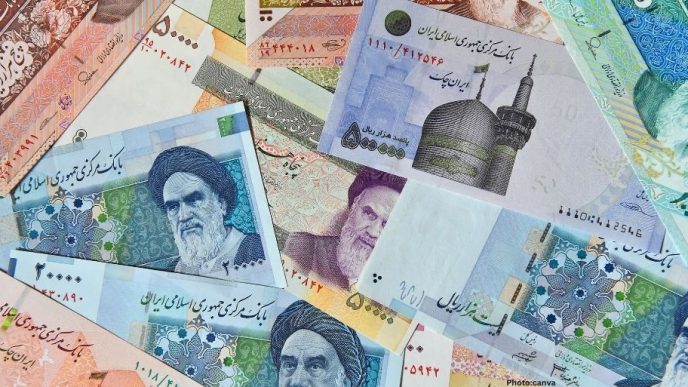
The deal is designed to establish an immediate 60-day ceasefire period to facilitate technical, secondary talks concerning Iran’s nuclear program, domestic enrichment caps, and the eventual unfreezing of billions of dollars in blocked Iranian assets. Despite the sweeping nature of his public announcements, senior administration officials confirmed to reporters on the sidelines of the summit that “$0 of unfrozen assets have been released” thus far, emphasizing that any relief would be strictly contingent upon verified Iranian compliance. Furthermore, the White House confirmed that the current U.S. military force posture in the Persian Gulf will remain unchanged during the initial phase of negotiations.
Trump Issues Direct Reuke to Netanyahu Over Lebanon
The durability of the U.S.–Iran agreement faces an immediate existential threat from the escalating northern front of the Middle Eastern war. Just hours before the initial peace framework was set to be finalized over the weekend, Israel executed a series of heavy airstrikes against suspected Hezbollah command nodes in central Beirut. The kinetic action prompted a furious response from Iranian Foreign Minister Abbas Araghchi, who warned that the truce could disintegrate if its broader regional architecture was ignored.
On Tuesday, Trump addressed the issue with unexpected bluntness, targeting his long-standing ally, Israeli Prime Minister Benjamin Netanyahu.
“I have a great relationship with Bibi, but he has to be more responsible with respect to Lebanon,” Trump said, sitting alongside G7 delegates in a heavily secured conference room. His tone turned sharp as he referenced the weekend strikes on the Lebanese capital. “I didn’t like where two hours before we’re signing the agreement that there was an attack in Lebanon, in Beirut. It was vicious. It was too much.”
Trump lamented the protracted nature of the military campaign, noting that the ongoing hostilities “throw a negative light on the big deal, the deal with Iran.” In an unorthodox policy suggestion that startled some European diplomats in the room, Trump suggested that the newly established Syrian government under President Ahmed Al-Sharaa should take over counter-Hezbollah operations along the border. “If Israel can’t do the job without killing everyone else, then Syria will do the job,” Trump asserted, praising Al-Sharaa’s transitional government for doing an “amazing job” thus far.
Netanyahu, however, has signaled no intention of altering Israel’s military posture. In statements broadcast to the Israeli public, the Prime Minister reemphasized that Israel maintains full operational autonomy and has no immediate plans to withdraw its defensive forces from southern Lebanon, Gaza, or security buffers inside Syria.
A Packed Diplomatic Slate
The G7 summit’s host, President Macron, has attempted to expand the parameters of the Middle East security track by inviting the heads of state from Egypt, Qatar, and the United Arab Emirates to participate in expanded regional stability panels on Tuesday afternoon. The inclusion of Gulf Arab states underscores the broader economic stakes of the pact, particularly regarding the massive maritime demining operations required to safely reopen the Strait of Hormuz. Both Britain and France have conditionally offered to deploy specialized naval mine-sweeping vessels to assist the U.S. Navy once a comprehensive pause in hostilities is formalized.
Simultaneously, the summit must address the ongoing war in Ukraine. President Trump is scheduled to hold a pivotal bilateral meeting with Ukrainian President Volodymyr Zelensky. The session comes at a critical juncture, as Zelensky attempts to shore up international financial commitments and counter-offensive funding from European allies who remain deeply anxious about the future of American security assistance.