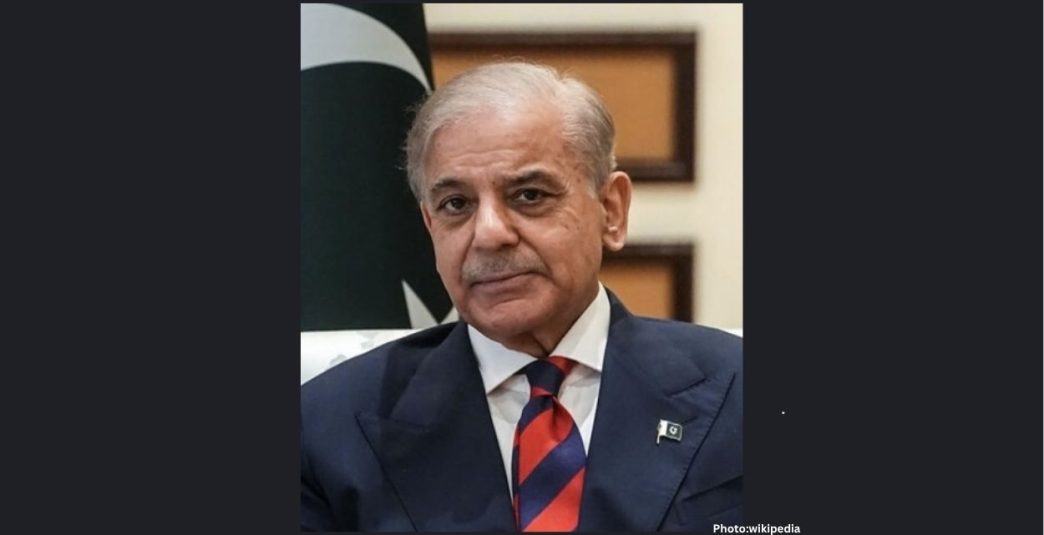
Prime Minister Shehbaz Sharif of Pakistan has expressed optimism that a peace agreement between the United States and Iran may be finalized within the next 24 hours, a development that could have profound implications for regional stability and international relations.
ISLAMABAD, Pakistan — In a notable diplomatic development, Prime Minister Shehbaz Sharif announced on Tuesday that he anticipates the signing of a peace agreement between the United States and Iran within the next 24 hours. This statement is made against a backdrop of heightened tensions in the Middle East, where the historical relationship between the two nations has been characterized by conflict and mistrust.
During a press conference in Islamabad, Prime Minister Sharif elaborated on Pakistan’s potential role as a facilitator in the ongoing dialogue between the U.S. and Iran. He stated, “We are hopeful that a peace agreement will be reached soon, which could pave the way for more stability in the region.” His remarks underscore Pakistan’s strategic interest in fostering positive relations with both the U.S. and Iran, as the country seeks to maintain its influence in regional politics and assert its role as a mediator.
Historical Context of U.S.-Iran Relations
The relationship between the United States and Iran has been marred by decades of conflict, particularly since the 1979 Iranian Revolution, which led to the overthrow of the U.S.-backed Shah and the establishment of the Islamic Republic of Iran. Following the revolution, diplomatic relations were severed, and the U.S. imposed a series of sanctions on Iran, targeting its nuclear program and its support for groups designated as terrorist organizations by Washington.
The 2015 Joint Comprehensive Plan of Action (JCPOA), which aimed to curb Iran’s nuclear ambitions, marked a brief thaw in relations. However, the U.S. withdrawal from the agreement in 2018 under the Trump administration significantly escalated tensions, leading to further sanctions and a deterioration of trust. In this context, Prime Minister Sharif’s announcement raises questions about the potential for renewed diplomatic engagement between the two nations, which have been at odds for over four decades.
Potential Regional and Global Implications
Experts in international relations have emphasized the significance of a potential U.S.-Iran peace agreement not only for the two countries but also for broader regional stability. The Middle East has long been a volatile theater, with conflicts and rivalries that could be influenced by any shift in U.S.-Iran relations. The potential signing of a peace agreement could pave the way for a reduction in hostilities, allowing for the possibility of economic partnerships that have been hampered by sanctions and political disagreements.
Dr. Ahmed Rashid, a prominent political analyst, remarked, “If the U.S. and Iran can come to an agreement, it could lead to a thaw in relations that benefits the entire region. Countries like Pakistan would stand to gain from enhanced trade and cooperation.” The implications for energy trade and investment opportunities are particularly significant; lifting sanctions could catalyze increased economic activity across the region, benefiting not only Iran but also neighboring countries such as Pakistan, which share economic ties with both the U.S. and Iran.
Challenges to a Peace Agreement
Despite the optimism surrounding the potential agreement, multiple challenges loom. Skepticism exists regarding Iran’s nuclear ambitions, with U.S. officials expressing concerns about Tehran’s adherence to international agreements. Additionally, domestic political dynamics in both countries could complicate negotiations. In Iran, hardline factions may resist concessions, while in the U.S., there is significant political pressure from Congress, where many members have historically opposed any deals perceived as favorable to Iran.
Furthermore, the current geopolitical landscape, exacerbated by Russia’s war in Ukraine and China’s increasing influence in the region, adds layers of complexity to any potential agreement. Analysts have noted that while a peace agreement could stabilize U.S.-Iran relations, it may also provoke backlash from regional allies such as Saudi Arabia and Israel, who often view Iran as a strategic adversary.
Diplomatic Efforts and Next Steps
As the deadline for the anticipated peace agreement approaches, diplomatic channels remain active. Reports indicate that officials from both the U.S. and Iran have engaged in back-channel communications, facilitated in part by third-party countries, including Pakistan. This collaborative approach reflects a growing recognition of the need for dialogue in resolving long-standing tensions.
The outcome of these discussions will be closely monitored by international observers, as it could signal a pivotal moment in a relationship that has long been defined by animosity. The next 24 hours may not only determine the success of this peace initiative but also reshape the geopolitical landscape of the Middle East.
In conclusion, Prime Minister Shehbaz Sharif’s assertion regarding the imminent possibility of a peace agreement between the U.S. and Iran highlights the delicate nature of international diplomacy. Should this agreement come to fruition, it could mark a significant shift in Middle Eastern geopolitics, with far-reaching implications for regional stability, economic collaboration, and the broader international order.