
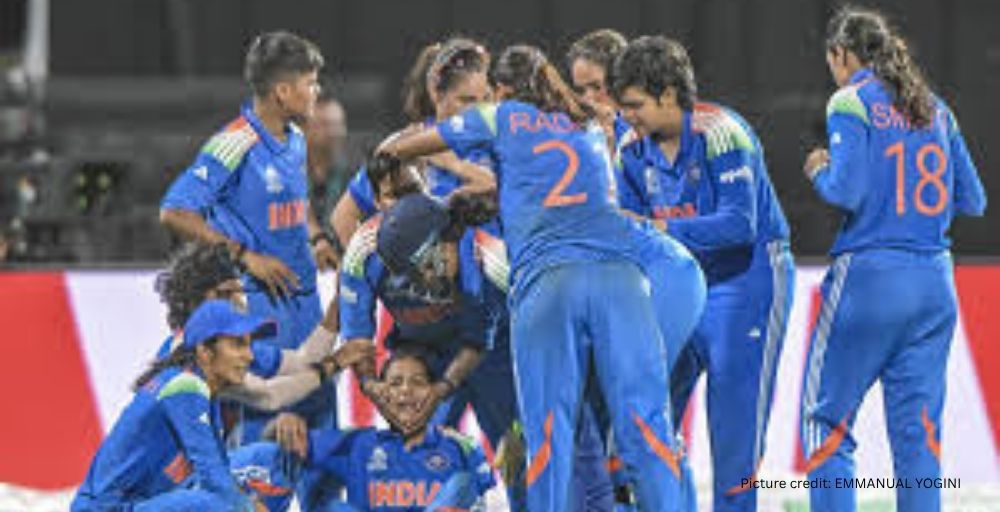
In the latest women’s ODI rankings, England has widened its lead over India to four points, maintaining a strong position behind Australia, who remains at the top of the table.
In a notable update to the International Women’s One Day International (ODI) cricket rankings released on May 2, 2026, England has extended its lead over the reigning world champions, India, to four points. Currently, England holds the second position with 130 points, while India has slipped to third with 126 points. Australia continues to dominate the rankings, sitting firmly at the top with 163 points.
This latest ranking reflects the evolving competitive landscape of women’s cricket, especially as teams gear up for significant international tournaments in the coming months. The margin between England and India emphasizes the shifting dynamics as both teams strive for excellence on the global stage.
Understanding the ODI Rankings
The ODI rankings for women’s cricket are calculated based on a team’s performance in international matches over a designated period. These rankings consider the results of the most recent games, capturing not only current form but also the historical context within which these teams operate. The rankings play a critical role in determining seedings for international tournaments, making them a vital aspect of a team’s strategy and preparation.
In the previous rankings, India was just one point behind England, highlighting the competitive rivalry between the two teams. The latest performance metrics have enabled England to widen this gap, indicating a potential shift in momentum that could affect both teams’ trajectories moving forward. The rankings reflect not only the outcomes of individual matches but also the overall consistency, depth, and strength of the squads involved.
Implications for the Indian Team
The drop to third place is a point of concern for the Indian women’s cricket team, particularly as they prepare for upcoming international fixtures. Captain Harmanpreet Kaur will be tasked with addressing the implications of this ranking change. The Indian women’s team has made substantial strides in recent years, showcasing their talent and competitiveness on the world stage. Maintaining their position and improving their performance will be critical as they approach key tournaments.
The widening gap between the top three teams in the rankings underscores the highly competitive nature of women’s cricket. With England now firmly in second place, they will likely seek to build on their momentum in upcoming matches, potentially positioning themselves as challengers to Australia’s dominance.
Historical Context and Future Outlook
Historically, both England and India have had strong performances in women’s cricket, with England winning the ICC Women’s World Cup in 2017 and India reaching the finals in 2022. However, the recent performances have shifted the balance, as England demonstrates a resurgence in form. The ongoing rivalry between these two cricketing nations adds a compelling narrative to the sport, particularly as they each vie for supremacy on the international stage.
Looking ahead, the next update of the ODI rankings will be highly anticipated by fans and analysts alike, as it will provide further insight into the performance trends of the leading teams. With several international series scheduled in the near future, the dynamics of the rankings are likely to see further changes. The competitive spirit within women’s cricket is at an all-time high, with teams consistently striving to enhance their standings.
Broader Implications for Women’s Cricket
The significance of these rankings extends beyond mere numbers; they represent the growing recognition and support for women’s sports globally. The increasing visibility of women’s cricket has attracted more fans and sponsors, contributing to the sport’s development and sustainability. The ongoing rivalry between England and India is expected to be a defining feature in the narrative of women’s cricket, as both teams aim to solidify their positions in the world rankings.
As the landscape of women’s cricket continues to evolve, the importance of these rankings will grow, reflecting not only the success of the teams but also the broader cultural acknowledgment of women’s achievements in sports. With the competitive nature of the sport at an all-time high, teams are more motivated than ever to improve their standings and deliver exceptional performances.
In conclusion, the latest ODI rankings reveal a significant moment in women’s cricket, with England establishing a clearer lead over India. As both teams prepare for future challenges, the implications of these rankings will undoubtedly influence their strategies and performances in the pursuit of international glory.