The OECD’s latest Interim Economic Outlook reveals that while the global economy maintains a degree of resilience, it is increasingly challenged by geopolitical tensions in the Middle East and rising energy prices, projecting growth rates of 2.9% in 2026 and 3.0% in 2027.
The Organisation for Economic Co-operation and Development (OECD) has published its latest Interim Economic Outlook, which presents a nuanced view of the global economy as it grapples with the implications of ongoing geopolitical tensions, particularly the conflict in the Middle East. This situation has intensified inflationary pressures and introduced significant uncertainty into economic forecasts, challenging previously stable growth expectations.
Heading into 2026, global economic growth was projected to remain steady, bolstered by advancements in technology-driven production and a reduction in effective tariffs on imports entering the United States. However, the OECD warns that the recent energy supply shock, precipitated by the Middle Eastern conflict, is anticipated to exert considerable downward pressure on global growth and contribute to rising inflation rates.
Growth Projections Amid Uncertainty
The OECD forecasts global growth rates of 2.9% in 2026, followed by a modest increase to 3.0% in 2027. However, these projections come with a caveat: the ongoing conflict in the Middle East introduces a layer of uncertainty that could significantly alter these figures. Should the conflict lead to prolonged disruptions in energy supply, with prices remaining elevated beyond mid-2026, the growth outlook could deteriorate further.
In the United States, the OECD projects GDP growth of 2.0% in 2026, tapering to 1.7% in 2027. For the euro area, growth is expected to be markedly slower, with projections of 0.8% in 2026 and a slight recovery to 1.2% in 2027. Meanwhile, China’s economic growth is anticipated to decelerate to 4.4% in 2026, followed by a further decline to 4.3% in 2027, reflecting broader global economic trends.
Inflationary Pressures Persist
The report indicates that inflationary pressures are likely to remain higher and more persistent than previously expected, primarily due to surging global energy prices. Headline inflation in G20 countries is projected to reach 4.0% in 2026, before easing to 2.7% in 2027. This marks a significant revision from earlier forecasts and underscores the impact of the energy crisis on consumer prices.
OECD Secretary-General Mathias Cormann commented on the situation, stating, “The energy supply shock from the evolving conflict in the Middle East is testing the resilience of the global economy. We project global growth will remain robust, but it will be slower than the pre-conflict trajectory, with significantly higher inflation.” He further emphasized the need for targeted policy measures to mitigate the adverse effects of rising energy prices, particularly for the most vulnerable populations.
Identifying Risks and Policy Recommendations
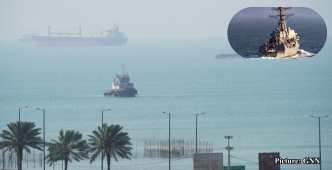
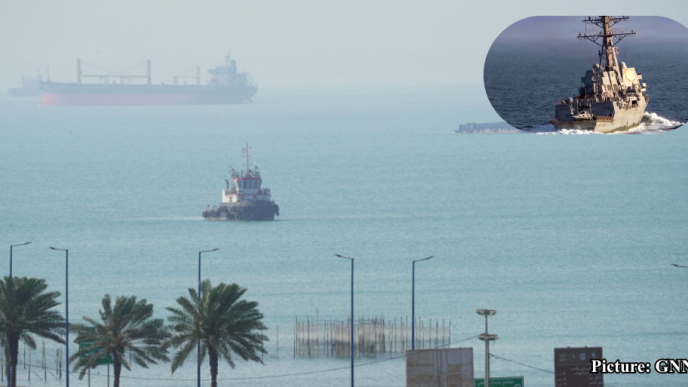
The Outlook highlights a spectrum of risks associated with the current economic landscape. The anticipated decline in future energy prices is contingent upon the assumption that current supply disruptions will gradually ease. However, should the conflict lead to a prolonged closure of oil and gas production facilities in the region, or if critical shipping routes such as the Strait of Hormuz experience ongoing disruptions, the repercussions on energy prices, inflation expectations, and overall economic growth could be severe.
Moreover, the report raises concerns that rising energy and fertilizer prices may significantly drive up food prices, disproportionately affecting low-income households. Elevated energy costs may also complicate the efforts of European nations to replenish their natural gas reserves, further straining public finances. The document warns of potential volatility in financial markets, as rising long-term sovereign yields may escalate fiscal risks for governments.
In light of these challenges, the OECD outlines several priorities for policymakers. Central banks are urged to remain vigilant and ensure that inflation expectations are well-anchored. There is a pressing need for stronger measures to safeguard the sustainability of public finances. Any initiatives aimed at cushioning the economic impact of the energy shock should be targeted, temporary, and cognizant of the limited fiscal space many governments currently face. Furthermore, the OECD advocates for reducing trade barriers, which could stimulate output and help mitigate inflationary pressures.
In the medium term, enhancing energy efficiency and decreasing dependence on fossil fuel imports are recommended strategies to reduce vulnerability to future supply shocks. These measures not only aim to stabilize the economy but also promote a more resilient energy landscape.
For further insights, the full report is accessible through the OECD’s online platform dedicated to the Interim Economic Outlook. Media inquiries can be directed to the OECD Media Office at +33 1 45 24 97 00. The OECD, working with over 100 countries, serves as a global policy forum dedicated to promoting policies that enhance individual liberty and improve economic and social well-being worldwide.