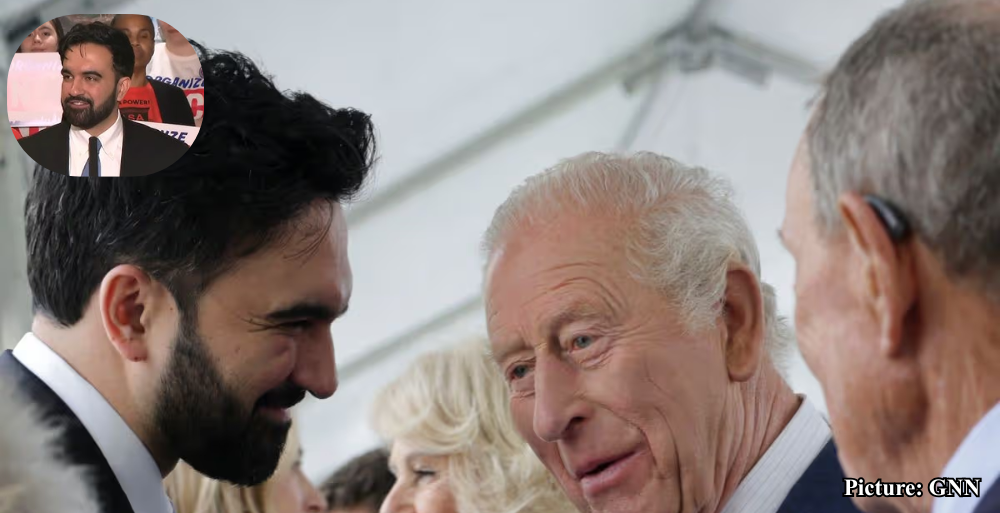
Academic Mahmood Mamdani urges King Charles III to return the Koh-i-Noor diamond to India, reigniting discussions on colonial artifacts and their rightful ownership during the royal family’s visit to the United States.
In a significant statement during King Charles III’s recent visit to the United States, prominent academic and activist Mahmood Mamdani called on the British monarch to return the Koh-i-Noor diamond to India. This request highlights ongoing tensions surrounding the ownership of historical artifacts that were taken during the colonial era, as India continues to navigate its post-colonial identity in the modern world.
The Koh-i-Noor, which translates to ‘Mountain of Light,’ has been the subject of contentious debates regarding its ownership, not only from India but also from other nations like Iran and Pakistan. Its history is emblematic of the broader narrative of colonial exploitation and the call for restitution of cultural heritage.
Historical Significance of the Koh-i-Noor
The Koh-i-Noor diamond has a storied past, having been mined in India and changed hands numerous times before becoming part of the British Crown Jewels. It was originally part of the Persian crown jewels, and after being ceded to the British East India Company following the Second Anglo-Sikh War in 1849, it was presented to Queen Victoria. Since then, it has been displayed in the Tower of London, becoming a symbol of colonial extraction.
The controversy surrounding the Koh-i-Noor reflects a broader discourse about the legacy of colonialism and the responsibilities of former colonial powers to address historical injustices. As nations like India assert their cultural heritage, the demand for the return of such artifacts is increasingly gaining traction. The question of ownership is not merely a legal issue but intertwined with national pride and identity.
The Royal Visit and Mixed Reactions
King Charles III and Queen Camilla’s four-day visit to the U.S. includes a range of engagements, notably a ceremony to commemorate the 9/11 attacks. Their itinerary features a private meeting with President Donald Trump, an address to Congress, and a formal dinner at the White House. However, the royal couple’s reception in New York City has been notably cool, particularly from Mayor Eric Adams.
Mamdani’s democratic socialist perspectives and his academic upbringing, which emphasizes the lingering effects of colonialism, are seen as factors contributing to this frosty reception. The mayor’s demeanor reflects a broader critical sentiment towards colonial legacies, particularly in a city that is home to a diverse population with various historical grievances.
Mamdani’s Message at Ground Zero
When asked about any message he might convey to the royal family during a wreath-laying ceremony at Ground Zero, Mamdani deliberately chose to focus on honoring the victims of the September 11 attacks rather than addressing the royals directly. He stated, “I’ll be attending a wreath laying alongside other elected officials including Gov. Hochul and Gov. Sherrill, and the focus of that wreath laying is to honor the more than 3,000 New Yorkers who were killed in the horrific terror attacks of Sept. 11. And that is really what I’m looking to do at that event.” This response underscores a prioritization of remembrance over engagement with the monarchy, signaling a larger critique of colonial history.
Broader Implications for Colonial Artifacts
The ongoing debate surrounding the Koh-i-Noor diamond is part of a larger movement advocating for the return of colonial-era artifacts to their countries of origin. This issue resonates deeply in nations like India, where cultural heritage is viewed as integral to national identity. The discourse around such artifacts challenges former colonial powers to confront their histories and the impact of their actions on colonized nations.
As the international community grapples with the legacy of colonialism, the actions of political leaders, institutions, and even royal families regarding these artifacts will be closely scrutinized. The potential for reparative justice rooted in the return of cultural property could significantly shape international relations between former colonial powers and their erstwhile colonies.
The Koh-i-Noor diamond serves not only as a physical artifact but also as a potent symbol of the historical injustices faced by colonized nations. As calls for its return grow louder, it is imperative for former colonial powers to engage in meaningful dialogue about historical accountability and the ethical implications of retaining such items.
In summary, Mamdani’s call for the Koh-i-Noor diamond’s return reflects a larger narrative about the need for reconciliation and the restitution of cultural heritage. As nations continue to address their colonial pasts, the implications of these discussions will undoubtedly reverberate across international relations, further complicating the dynamics between former colonial powers and their former colonies.