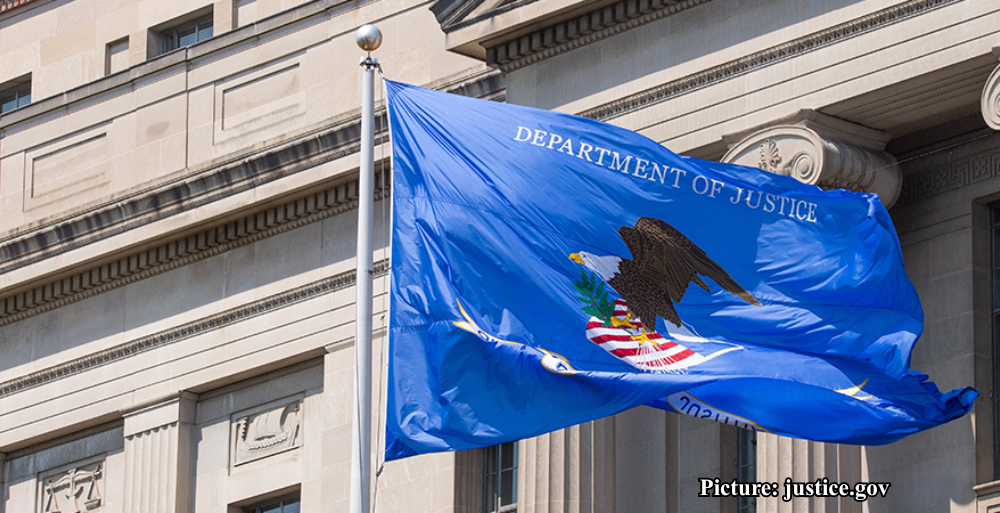
The Justice Department’s initiative to potentially revoke the citizenship of at least 300 foreign-born Americans reflects a significant escalation in denaturalization efforts, which began during the Trump administration, aimed at addressing fraud in the naturalization process.
The U.S. Department of Justice (DOJ) is reportedly focusing on the potential denaturalization of at least 300 foreign-born Americans, marking a substantial escalation in efforts to revoke U.S. citizenship based on allegations of fraud in the naturalization process. This initiative, which has emerged from the policies established during the Trump administration, underscores a broader strategy aimed at tightening immigration controls across the country.
Overview of the Initiative
A DOJ official confirmed to NBC News that the number of individuals under investigation is indeed in the hundreds, as reports indicate an intensified push to revoke citizenship for foreign-born individuals who may have obtained it unlawfully. The Trump administration’s focus on denaturalization has been characterized by a significant expansion of resources devoted to identifying such cases, with the U.S. Citizenship and Immigration Services (USCIS) tasked with identifying potential denaturalization candidates.
According to NBC News, USCIS has reassigned personnel and deployed experts to various offices nationwide to locate viable cases for denaturalization. The goal has reportedly been to generate between 100 and 200 cases each month for the DOJ to prosecute, demonstrating a systemic approach to addressing concerns about the integrity of the naturalization process.
Historical Context of Denaturalization
Denaturalization cases have historically been rare, typically reserved for individuals who concealed significant criminal histories or engaged in human rights violations during their naturalization applications. Records show that during President Trump’s first term, the administration initiated a total of 102 denaturalization cases, reflecting a stark increase in the scrutiny applied to naturalized citizens.
The current push for denaturalization is part of a broader immigration policy agenda aimed at significantly reducing immigration levels and enforcing stricter immigration regulations. This agenda has included aggressive deportation initiatives, characterized by an increased presence of immigration enforcement officers in urban areas and the acquisition of large detention facilities for individuals awaiting deportation.
Criteria for Targeting Individuals
The specific rationale behind the targeting of approximately 300 foreign-born Americans remains ambiguous. The New York Times, which first reported this figure, has raised questions regarding the criteria utilized by the DOJ in identifying these individuals. A DOJ spokesperson emphasized the department’s commitment to addressing issues of fraud in the naturalization process, stating, “The Department of Justice is laser-focused on rooting out criminal aliens defrauding the naturalization process.”
In its efforts, the DOJ has instructed attorneys to prioritize cases involving individuals deemed to pose a risk to national security or those accused of war crimes, torture, or committing fraud against government programs such as Medicare and Medicaid. This broad spectrum of criteria indicates a shift in how the DOJ approaches denaturalization, expanding beyond the traditional focus on criminality to include various forms of alleged fraud.
Implications for Immigrant Communities
The implications of this intensified denaturalization effort could be significant, affecting not only the individuals targeted but also the broader immigrant community in the United States. Critics argue that such initiatives may instill fear among immigrants, potentially deterring individuals from seeking citizenship or legal status due to concerns about the possibility of denaturalization. This climate of uncertainty could lead to increased anxiety within immigrant communities, particularly among those who may feel vulnerable to scrutiny.
Furthermore, the legal and ethical considerations surrounding denaturalization could come under scrutiny as the DOJ pursues these cases. Advocates for immigrant rights and legal experts are likely to challenge the administration’s actions in court, arguing that the pursuit of denaturalization based on alleged fraud must be balanced with considerations of due process and fairness within the legal system. This legal discourse could shape the future of immigration enforcement and naturalization policies in the United States.
Statistical Context of Naturalization
According to data from the Department of Homeland Security, approximately 800,000 individuals become naturalized citizens in the United States each year. The current initiative to strip citizenship from hundreds of individuals represents a significant shift in the enforcement of immigration laws and the naturalization process. This contrasts sharply with the historical precedent of denaturalization, which had been relatively uncommon prior to the recent escalations.
The focus on denaturalization aligns with the Trump administration’s overarching strategy to reshape immigration policy, which has included measures such as travel bans, heightened border security, and the implementation of stringent asylum procedures. These policies have generated substantial debate and controversy, raising questions about their impact on the nation’s immigration system and the rights of individuals seeking citizenship.
Conclusion
The DOJ’s initiative targeting hundreds of foreign-born Americans for potential denaturalization marks a notable escalation in U.S. immigration enforcement practices. As this initiative unfolds, it raises critical questions about the policies and practices surrounding citizenship and immigration in the United States, particularly regarding the targeting criteria employed and the legal frameworks that govern these actions. The ramifications of this initiative will require careful observation and analysis, as the broader implications for U.S. immigration policy and the immigrant community become clearer in the coming months.