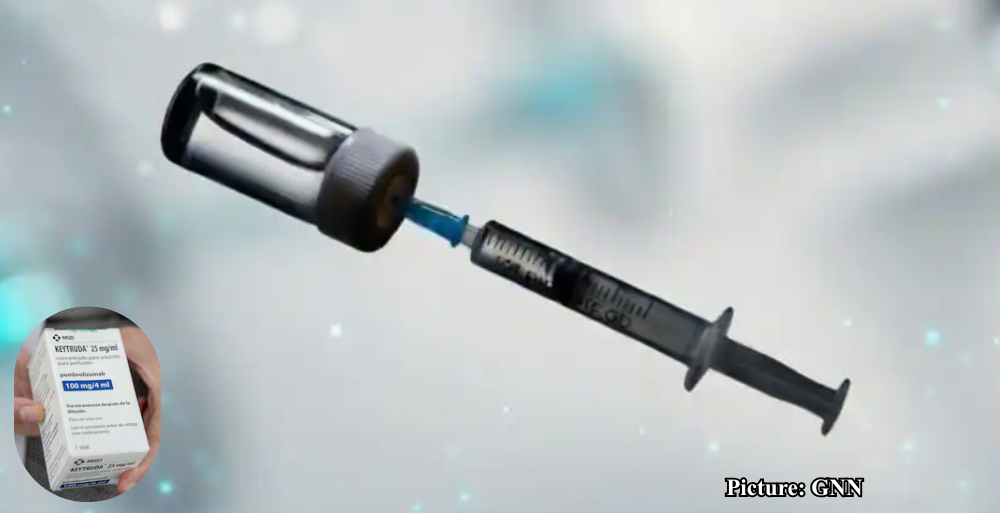
As the patent for Merck & Co’s Keytruda nears expiration, at least seven Indian manufacturers are poised to produce generic versions of the cancer drug, potentially reducing its cost significantly and improving access for patients.
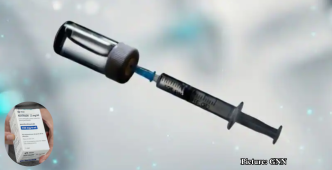
With the expiration of Merck & Co’s patent for the cancer immunotherapy drug Keytruda (pembrolizumab) set for June 2028, at least seven Indian pharmaceutical firms are actively pursuing the development of generic versions of this leading treatment. Each 200mg dose of Keytruda currently costs more than Rs 300,000, highlighting the urgent need for more affordable alternatives.
Context of Keytruda’s Cost and Availability
The high cost of Keytruda has been a pressing concern for healthcare providers and patients in India. As noted by Dr. Tarun Durga, associate director of medical oncology at Medanta-Noida, “We have seen this with other immunotherapies. The entry of biosimilars leads to a significant drop in prices, sometimes by as much as 70%. This is the simplest way to make cancer drugs more affordable and accessible.” His comments reflect a broader sentiment among medical professionals advocating for enhanced access to life-saving medications.
The investigation by The Indian Express, in collaboration with the International Consortium of Investigative Journalists (ICIJ), has revealed alarming findings about the accessibility of Keytruda. The investigation highlighted a burgeoning counterfeit drug market fueled by stringent dosing requirements and opaque patient programs mandated by the pharmaceutical company. Such dynamics exacerbate the challenges faced by patients seeking legitimate access to this essential medication.
Current Developments in Generic Production
In response to the impending patent expiration, companies such as Sun Pharmaceutical Industries, Hetero, and Intas are among those actively engaged in clinical trials aimed at securing approvals for their generic versions of Keytruda. Additionally, Biocon announced plans in January to expand its portfolio by including biosimilars, including one for pembrolizumab. Trials for comparable generics developed by Chinese firm BioThera and Russian company Biocad are also reportedly underway in India.
Despite Merck holding only one valid patent for pembrolizumab in India, the firm maintains a complex web of nearly 1,000 related patents globally. Approximately 84% of these were filed after the drug’s initial approval in 2014, indicating an aggressive strategy to protect its market position. Merck is also pursuing patents for new delivery methods, including pre-filled pens and a subcutaneous version of Keytruda.
Legal Considerations and Market Entry
Experts have pointed to the potential complexities surrounding the entry of biosimilars into the market post-patent expiration. K M Gopakumar, co-convenor of the Working Group on Access to Medicines & Treatment, noted, “Biosimilar versions can enter the market soon after patent expiry, unless the company, which has deep pockets, takes them to court. This has happened with the other checkpoint inhibitor nivolumab as well.” He further explained that while two secondary patents for pembrolizumab had been rejected by the Indian patent office, the existence of patent clusters could still hinder the production of biosimilars even after the primary patent expires.
Regulatory and Governmental Support
The Indian legal landscape for biosimilar development has seen significant developments recently. In January, the Delhi High Court allowed Zydus Lifesciences to manufacture and sell a biosimilar version of nivolumab, a decision made just months before the patent’s expiration on May 2. The Supreme Court subsequently dismissed a plea from Bristol-Myers Squibb (BMS) to block Zydus from marketing its generic version, setting a precedent for the biosimilar market.
Moreover, the Indian government recently launched the Bio Pharma SHAKTI initiative, a Rs 10,000-crore scheme aimed at fostering a domestic biosimilar ecosystem. This initiative emphasizes reducing reliance on imported high-cost drugs, with a focus on developing therapies for cancer and autoimmune disorders.
Future Prospects for Biosimilars in India
According to Gopakumar, with pembrolizumab now included on the World Health Organization’s model list of essential medicines, India must enhance its support for biosimilar development. He urged organizations such as the Biotechnology Industry Research Assistance Council (BIRAC) to facilitate the development of necessary cell lines and allow multiple companies to create their biosimilars. Gopakumar also highlighted the need to align Indian regulations with WHO and UK guidelines, potentially streamlining the approval process for biosimilars and ensuring their inclusion in the national list of essential medicines.
Currently, the necessity for full clinical trials for biosimilars, unlike standard drugs, adds considerable costs and time to their development. The trajectory of trastuzumab, a targeted therapy for breast and stomach cancers that lost its patent in 2012, serves as an illustrative example; it took several years for multiple companies to enter the market and subsequently reduce the price from Rs 115,000 to Rs 7,000 for the original product.
The ongoing developments surrounding Keytruda’s patent expiration and the race for generic production highlight the critical intersection of healthcare access, pharmaceutical innovation, and regulatory policy in India. Stakeholders from various sectors continue to advocate for a system that balances the interests of drug manufacturers with the pressing need for affordable cancer treatments for patients.