Automatic registration for draft-eligible men in the United States is set to begin in December 2023, streamlining the registration process as mandated by the National Defense Authorization Act signed in December 2025.
The Selective Service System (SSS), the federal agency responsible for maintaining a database of male U.S. citizens and immigrants considered draft-eligible, is preparing to implement automatic registration beginning in December 2023. This initiative marks a significant change in the registration process, following concerted efforts by lawmakers and the SSS to modernize and simplify the existing self-registration protocol.
On March 30, 2023, the SSS submitted a proposed rule to the Office of Information and Regulatory Affairs (OIRA), indicating its intent to transition to automatic registration. This proposed rule is currently under review by OIRA and awaits final approval. The statutory requirement for automatic registration was established by the fiscal year 2026 National Defense Authorization Act (NDAA), signed into law by then-President Donald Trump in December 2025.
Transitioning to Automatic Registration
The new system shifts the responsibility for registration from individual eligible men to the SSS itself, leveraging integration with federal data sources to streamline the process. As outlined on the SSS website, this change aims to ensure that eligible individuals are automatically registered, thereby reducing the bureaucratic hurdles that have historically been associated with the draft registration process. The SSS has indicated that this transition will also enable it to reallocate resources toward enhancing military readiness and mobilization efforts.
Representative Chrissy Houlahan, a Democrat from Pennsylvania and a key sponsor of the automatic registration language in the NDAA, emphasized the importance of this shift. In discussions surrounding the bill, Houlahan noted, “This will also allow us to rededicate resources — basically that means money — towards readiness and towards mobilization … rather than towards education and advertising campaigns driven to register people.” This statement underscores the dual objectives of improving registration efficiency while simultaneously enhancing military preparedness.
Current Registration Requirements and Challenges
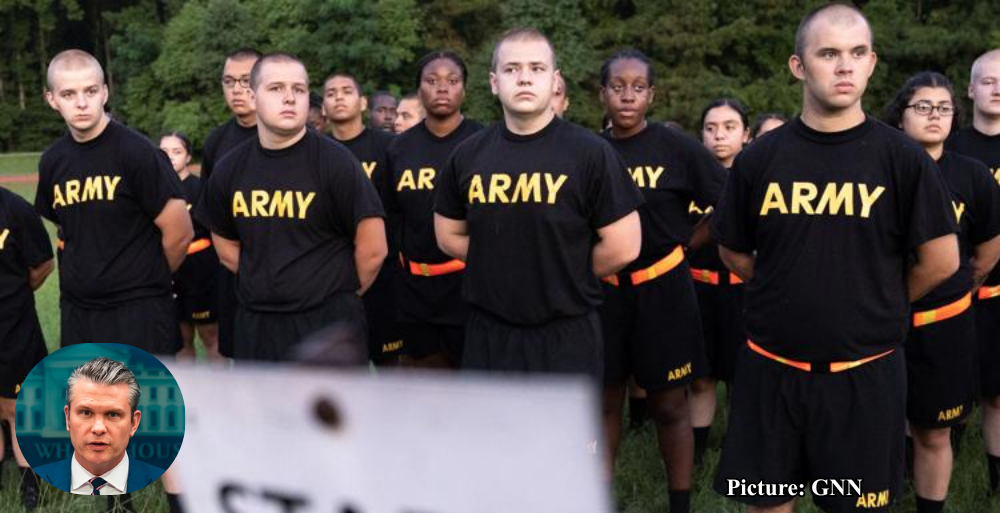
Under the existing system, nearly all male U.S. citizens and immigrants aged 18 to 25 are required to self-register with the SSS within 30 days of their 18th birthday, with late registration permitted until the individual turns 26. Those who fail to register face serious penalties under the Military Selective Service Act, which can include ineligibility for federal programs, fines up to $250,000, or imprisonment for up to five years. However, registration numbers have declined in recent years, a trend partly attributed to the removal of the registration option from federal student loan forms in 2022, a change that accounted for approximately 25% of all prior registrations.
Despite ongoing discussions regarding gender equality in military service, women continue to be exempt from the draft registration requirement. This exemption has sparked debates among lawmakers and advocacy groups about the fairness and implications of requiring only men to register, particularly as gender roles in the military evolve.
Historical Context of the Selective Service System
The Selective Service System was established in 1917 by President Woodrow Wilson as the United States entered World War I. The draft was suspended by President Gerald Ford in 1975, but it was reinstated by President Jimmy Carter in 1980 in response to the Soviet Union’s invasion of Afghanistan. Since the last activation of the draft in 1973 during the Vietnam War, the U.S. military has relied on an all-volunteer force. Although the nation has not needed to resort to conscription in recent decades, the SSS continues to prepare for the possibility of a national emergency requiring such measures.
The decision to implement automatic registration represents a proactive strategy to ensure that the Selective Service can efficiently mobilize resources if necessary. The SSS’s annual expenditure on registration efforts is approximately $30,000, and streamlining this process is expected to yield long-term benefits for military readiness and operational efficiency.
As the December deadline for rolling out automatic registration approaches, stakeholders within the government and military community are closely monitoring the developments. The potential impacts of this initiative on the landscape of military conscription and preparedness in the United States could be significant, particularly as global geopolitical tensions continue to evolve.
In summary, the transition to automatic registration for draft-eligible men not only aims to simplify the registration process but also reflects broader changes in the military’s operational strategies. As the SSS prepares for this shift, the implications for national security and military readiness will remain a focal point of discussion among lawmakers and the public alike.