As the ceasefire in the Strait of Hormuz raises hopes for a return to normalcy, the global shipping industry faces a protracted recovery due to significant backlogs and ongoing regional instability.
The recent announcement of a ceasefire in the Strait of Hormuz has generated cautious optimism within the global shipping community. However, industry experts warn that the path to recovery will be lengthy and complex, as shipments that were stalled for over a month will not resume immediately. The strait, a critical chokepoint for global oil transportation, saw traffic plummet by approximately 95 percent during the conflict, leading to sharp increases in fuel prices across various sectors.
Carsten Ladekjær, CEO of Glander International Bunkering, noted that the ramifications of the shipping disruptions are being felt unevenly across the globe. Countries that rely heavily on Middle Eastern energy sources, particularly in Asia, are experiencing significant hardships. For instance, India derives roughly 55 percent of its energy imports from the region, while China, Japan, South Korea, and Singapore depend on it for 50 percent, 93 percent, 67 percent, and 70 percent of their energy needs, respectively.
Market Reactions and Price Fluctuations
In the wake of the ceasefire, energy markets reacted swiftly. Brent crude oil prices, which had soared to around $110 earlier in the week, dropped to approximately $94—a decline of about 15 percent. Arne Lohmann Rasmussen, chief analyst at Global Risk Management, explained that the prices of refined products, including diesel and jet fuel, have also decreased more significantly. “Markets are forward-looking; they price in expectations,” he stated. However, he cautioned that prices remain elevated compared to pre-conflict levels, which hovered between $60 and $70 per barrel.
Backlogs and Logistical Challenges
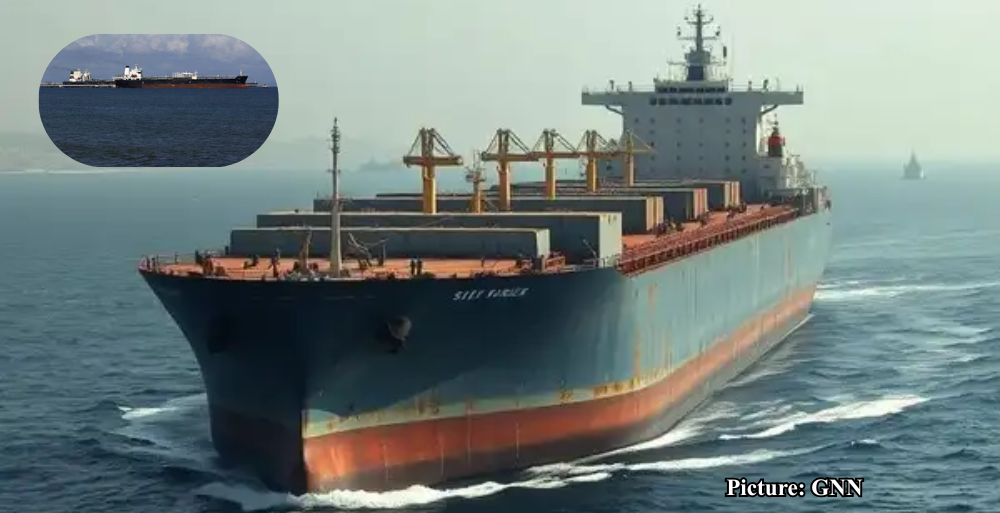
As of now, around 1,000 vessels, including hundreds of tankers, are stranded in the Gulf. Reports indicate that over 800 cargo ships and tankers are waiting for passage within the Persian Gulf, with an additional 1,000 vessels queued on both sides of the Strait of Hormuz. Under normal circumstances, approximately 150 vessels transit the strait daily, but experts anticipate that clearing the backlog will require significant time and careful coordination, as ships will need to be sequenced for departure, refueled, and repositioned.
Lohmann Rasmussen described the situation as a “logistical nightmare,” highlighting that uncertainties regarding current capacity, particularly from a security perspective, complicate the situation further. He emphasized that resolving these issues will not happen overnight and will involve navigating various logistical, security, and communication challenges.
Infrastructure Damage and Ongoing Volatility
Despite the market’s initial correction, industry analysts warn that consumers should not expect immediate decreases in retail fuel prices. Ladekjær elaborated that fuel purchased at higher prices remains in circulation, which means that it may take weeks or even longer for lower-cost supplies to impact the market. Additionally, significant damage to regional energy infrastructure—exacerbated by missile strikes and drone attacks—has created further complications. For instance, QatarEnergy has declared force majeure on some liquefied natural gas (LNG) contracts following damage to facilities, while Saudi Aramco halted operations at its Ras Tanura refinery due to a fire linked to a drone attack.
Experts predict that even if supply chains resume, a lag will persist before normal operations can be fully restored. The replenishment of fuel supplies will be gradual, and prices are likely to remain volatile during this transitional period. “There are practical challenges, too,” stated Ladekjær, noting that some vessels may require new crews, fuel, or maintenance before they can set sail. “It could take time to clear that backlog.”
Future Outlook and Industry Hesitation
Looking ahead, the shipping industry is now focused on assessing the extent of the damage and strategizing for the restart of operations. Facilities are being evaluated and are gradually being brought back online; however, the potential for renewed conflict remains a significant concern. Lohmann Rasmussen pointed out that shipping companies and insurers may be hesitant to reenter the strait until there is clearer understanding of the security situation, as the risk of becoming trapped in renewed conflict is a pressing concern.
While the ceasefire marks a pivotal moment, it does not signify an immediate return to normalcy. The systems that facilitate the transportation of energy through the Strait of Hormuz are beginning to restart but are far from reaching full capacity. The coming weeks will be crucial as stakeholders navigate these challenges and work to restore stability in the region.