President Trump’s ultimatum to Iran, demanding a deal by Tuesday evening, raises questions about the feasibility of military action and the humanitarian implications of targeting civilian infrastructure.
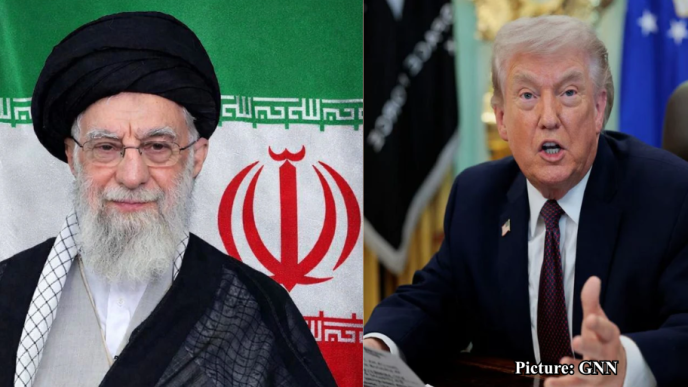
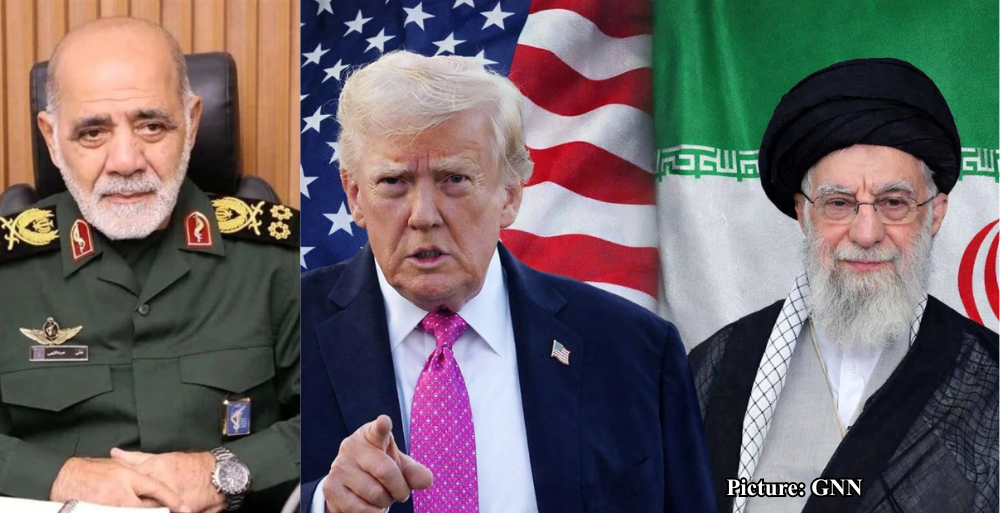
The escalating tensions between the United States and Iran reached a critical juncture this week as President Donald Trump issued an ultimatum demanding that Iran agree to a deal by 8:00 PM EST (00:00 GMT Wednesday). In a series of alarming statements, Trump threatened to destroy significant portions of Iran’s civilian infrastructure, including bridges and power stations, should the Iranian government fail to meet his demands.
Experts in military strategy and international law have expressed serious concerns regarding the implications of Trump’s threats. They argue that the U.S. military is not capable of executing such extensive destruction within the timeframe Trump specified. According to military analysts, the logistics of targeting every bridge and power station in a nation the size of Iran, which is roughly one-third the size of the continental United States, would pose an insurmountable challenge.
Trump’s threats included a stark warning that “a whole civilization will die” if Iran does not comply with his ultimatum. Such rhetoric has drawn criticism from legal scholars who suggest that targeting civilian infrastructure could be classified as a war crime. Some experts have characterized Trump’s comments as potentially inciting genocide, a charge the president dismissed during a press conference on Monday.
Military Feasibility and Strategic Implications
While the U.S. possesses detailed intelligence on Iran’s nuclear facilities and key military installations, experts argue that the military cannot feasibly identify and destroy thousands of other targets within a limited timeframe. A former senior U.S. defense official, who spoke on the condition of anonymity, remarked, “To meet this threat literally would be an absolute herculean task. And would it have the desired strategic effect?”
Analysts have indicated that a targeted attack on Iran’s power sector could be more feasible than an all-encompassing assault on the country’s infrastructure. The majority of Iran’s power plants and oil refineries are concentrated in three coastal provinces: Bushehr, Khuzestan, and Hormozgan. Striking installations in these areas could significantly disrupt the Iranian regime’s access to oil revenue and its operational capacity within the Persian Gulf and the Strait of Hormuz.
Former U.S. Treasury official Miad Maleki, who led sanctions against Iran, emphasized the strategic importance of these provinces, stating, “You do anything to those three provinces, you cut the regime’s access to oil revenue and its access to the Persian Gulf and Strait of Hormuz.”
International Responses and Diplomacy Efforts
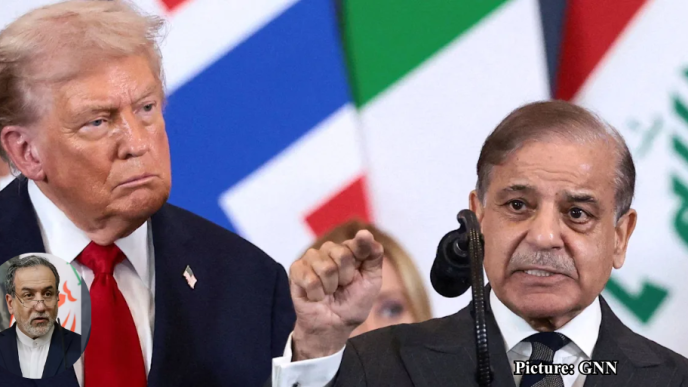
In a move indicative of the international ramifications of the escalating conflict, Pakistan’s Prime Minister Shehbaz Sharif urged Trump to extend the deadline for negotiations by two weeks. Sharif’s request, communicated via social media, aimed to provide additional time for diplomatic efforts to yield results. He stated, “To allow diplomacy to run its course, I earnestly request President Trump to extend the deadline for two weeks.”
As Pakistan positions itself as a key intermediary in the U.S.-Iran negotiations, the potential for high-level talks in Islamabad has emerged as a possibility, should the two nations draw closer to a ceasefire agreement. White House Press Secretary Karoline Leavitt confirmed that Trump was aware of Sharif’s proposal and that a response would be forthcoming.
Meanwhile, U.S. Vice President JD Vance acknowledged that airstrikes had already been carried out against military targets on Kharg Island, a significant hub for Iran’s oil exports. While Vance asserted that these strikes did not indicate a shift in U.S. strategy, he warned that the U.S. had the capability to inflict “much greater pain” on the Iranian economy if negotiations falter.
Assessing Iran’s Response
Despite the heightened military threats, it remains uncertain whether the Iranian government will feel compelled to negotiate under pressure. Both U.S. and Iranian officials reportedly resumed direct communication on Tuesday, following weeks of indirect talks that had failed to yield progress. However, significant gaps remain between the two nations on key issues, including Iran’s oil sector, nuclear program, and control of the Strait of Hormuz.
Trump indicated that his special envoy, Steve Witkoff, along with Jared Kushner, was actively involved in the negotiations, with Vance potentially stepping in should a deal become imminent. A U.S. official, who requested anonymity, noted that while Witkoff and Kushner were leading the day-to-day efforts, Vance would only be brought in if necessary.
Some analysts have suggested that Trump may be banking on internal pressures within Iran to compel its leadership to agree to a deal, particularly if military actions lead to widespread blackouts and disruption. However, experts like Maleki caution that Iranians were already grappling with power outages prior to the recent conflict, meaning additional blackouts may not incentivize the regime to negotiate.
Long-term Consequences and Strategic Miscalculations
The prospects for a resolution remain uncertain, as former Department of Defense official Jason Campbell warned that the Iranian regime has demonstrated a high tolerance for pain and is unlikely to capitulate easily to external pressures. He asserted that for Iran’s leadership, the current conflict represents an existential struggle not only for the country but for the regime itself.
As the situation continues to unfold, the implications of Trump’s military threats and the international diplomatic response will likely shape the future dynamics of U.S.-Iran relations and the broader geopolitical landscape in the Middle East.