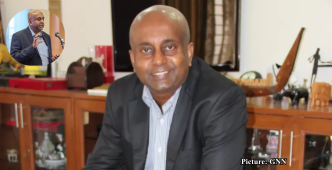
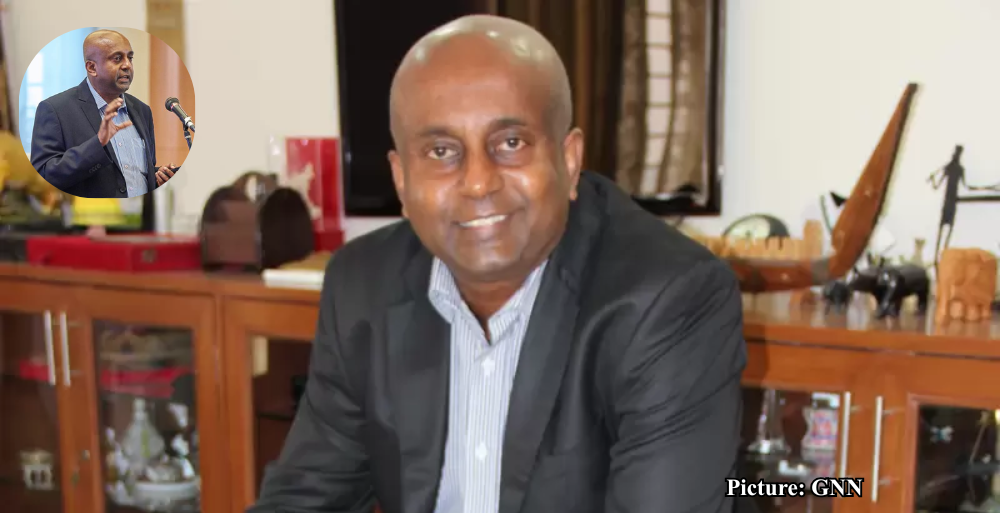
A chemical engineer turned cultural leader, Vinod Daniel has made significant contributions to museum conservation and vision care access in India, shaping the landscape of cultural heritage across the globe.
Vinod Daniel, a distinguished figure in the fields of museum conservation and cultural heritage, has had a remarkable journey that began in Chennai, India. After completing his chemical engineering degrees from the Indian Institutes of Technology (IIT) in Delhi and Madras, he pursued further studies in the United States in the 1980s, a common trajectory for many IIT alumni. However, Daniel’s career took an unconventional turn when he seized a unique opportunity at the Getty Trust in Los Angeles, which sought a chemical engineer to address the scientific challenges of cultural preservation.
“I applied because it looked interesting and unique,” Daniel recalls. “I was lucky to get it.” His initial assignment involved designing specialized display cases for royal mummies from Egypt, which marked the beginning of a four-decade career dedicated to museum conservation. Daniel explained, “The reason they wanted somebody with an engineering background in conservation science was that most deterioration is chemical, and anything that can be done to minimize that helps prolong the life expectancy of an object.”
One of his earliest projects was particularly challenging: developing methods to reduce bacterial growth in human remains. The innovative display cases he designed utilized nitrogen, an inert gas, to eliminate oxygen while maintaining low humidity, significantly reducing the risk of decay. Daniel’s work also addressed insect infestations in cultural collections, moving away from toxic chemical treatments to explore non-toxic alternatives. This innovative approach laid the foundation for his extensive career in museum conservation.
Global Influence and Leadership
Over the years, Daniel has served as a strategic adviser to museums in more than 60 countries, significantly influencing conservation standards, collection management, digitization, and visitor engagement. From 2008 to 2014, he held the position of vice chair of the International Council of Museums (ICOM) committee for conservation, where he played a pivotal role in developing global guidelines on risk management, preventive conservation, and collection care.
Daniel’s global footprint expanded as he transitioned from Los Angeles to Sydney and engaged extensively in museum conservation across the Asia-Pacific region. He has been instrumental in educating architects and project managers about conservation needs, particularly for new museums. Since 2016, he has taken on the role of chair of AusHeritage, promoting Australian heritage expertise throughout the Indo-Pacific and leading collaborative projects that showcase innovative practices in conservation and cultural policy.
Reflecting on his experiences in Australia, Daniel noted, “Australia is receptive to people coming in. I have never faced any barriers to taking on senior management roles.” His contributions to the field have not gone unrecognized; in 2017, he was honored with the Medal of the Order of Australia for his service.
Impact on Vision Care in India
In addition to his work in cultural heritage, Daniel has been deeply involved in philanthropic initiatives in India through the India Vision Institute (IVI), which he co-founded. His motivation to give back to his homeland stemmed from a desire to address social issues in eye care. “I wanted to find a niche where an intervention could make a difference,” he explained.
Daniel’s collaboration with Dr. G.N. Rao, founder-chair of the LV Prasad Eye Institute, revealed a staggering statistic: over 200 million people in India lack access to basic vision care. Under his leadership, IVI has vision-screened more than two million individuals from low-income communities across 25 states, including one million schoolchildren. The organization not only provides free spectacles but also refers patients to tertiary care facilities for further treatment.
“The impact of vision correction is measured in more than just clarity—it is measured in livelihoods,” Daniel emphasized. He noted that a lack of reading glasses can lead to a 30% decrease in productivity and income, often pushing individuals below the poverty line. This crisis extends to youth, with studies indicating that 7% of Indian schoolchildren require corrective lenses, many of whom remain underserved.
To create sustainable change, IVI has incorporated long-term strategies, including training the next generation of eye health professionals. With support from Australia’s Department of Foreign Affairs and Trade (DFAT), Daniel has positioned IVI as a vehicle for Australian development impact, addressing pressing public health challenges in India.
Contributions to Cultural Heritage
Daniel’s contributions to cultural heritage extend beyond conservation; he has participated in various high-profile projects in India. At Getty, he was involved in the preservation of the original Constitution of India and the cultural relics associated with former Prime Minister Rajiv Gandhi. His work has impacted several prestigious museums, including the Government Museum in Chennai and the Victoria Memorial in Kolkata.
As a member of the IIT alumni network, Daniel has received the IIT Delhi Global Alumni Recognition Award, highlighting his leadership and contributions as an alumnus. “There is a deep interest among IITians to give something back, either to their local communities or to India,” he stated, reflecting the ethos of service that characterizes many members of this global network.
Vinod Daniel’s journey exemplifies the intersection of science, culture, and social impact, demonstrating how a commitment to heritage conservation can drive significant improvements in public health and community well-being. His work continues to inspire future generations in both Australia and India, fostering a legacy of innovation and compassion in the fields of culture and health.