




The Trump administration is facing a critical juncture as stalling job growth and a 11% surge in gas prices, fueled by the Iran conflict, threaten to undermine the President’s key economic promises. Amidst these financial headwinds, the sudden ouster of Kristi Noem from the Department of Homeland Security has reignited a fierce debate over the administration’s immigration agenda, leaving GOP strategists scrambling to stabilize poll numbers ahead of the upcoming midterm elections.
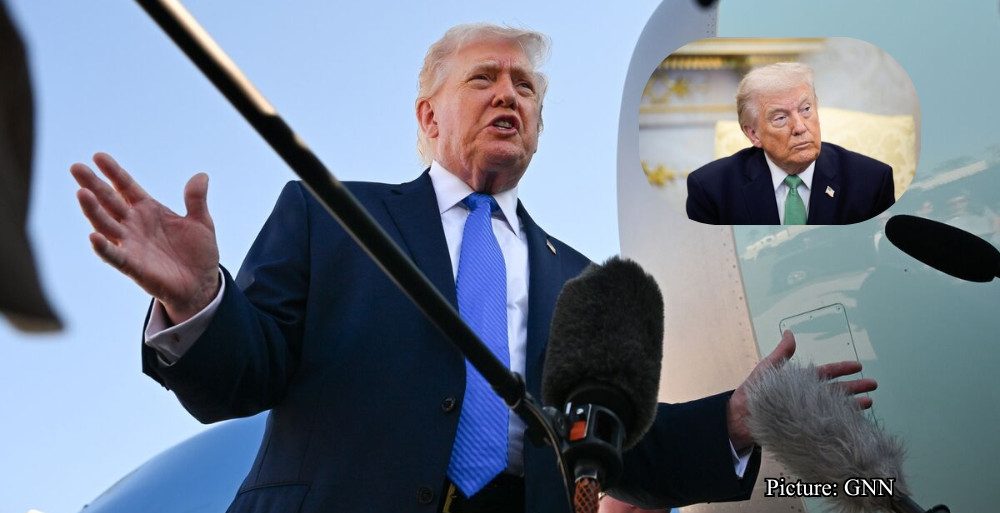
The second year of Donald Trump’s second term has hit a significant turbulence point, as a convergence of dismal labor data, a geopolitical energy crisis, and the high-profile firing of a cabinet secretary leaves the administration scrambling to regain its footing ahead of the critical midterm elections. President Trump, who returned to the Oval Office on a populist mandate to “finish the job” on the economy and seal the southern border, now finds his core promises under heavy fire from both market realities and shifting public opinion.
The “America First” agenda, which promised a return to the robust growth of the pre-pandemic era, is currently colliding with the harsh realities of global conflict and domestic instability. The most immediate threat to the administration’s narrative arrived with a “gut-punch” jobs report from the Labor Department. For the first time in this term, payrolls contracted, shedding more than 90,000 jobs—a figure that blindsided Wall Street analysts who had expected modest growth. While the White House pointed to a massive healthcare strike in California and Hawaii and brutal Northeast winters as mitigating factors, the broader trend suggests a stagnant labor market.
The contraction is being exacerbated by a “perfect storm” in the energy sector. Following the escalation of the Iran conflict, oil has surged past 90 USD a barrel, driving gas prices up by 11% in a single week. The economic backdrop has grown ominous, with analysts warning that surging oil prices could lead to a toxic cycle of stagflation. This blitzkrieg of bad news has jeopardized the GOP’s ability to keep voters focused on Trump administration policies that were designed to help with the rising cost of living.
“If you combine an economy that people don’t like with a prolonged war that you know nobody in his base believes they voted for, that’s a toxic problem,” said one Trump ally, granted anonymity to speak freely about the growing anxiety within the party. “Don’t drag this war out. That’s my best advice for the administration. The country is in no mood for a prolonged war.”
Economists are now uttering the “S-word” that haunts every administration: stagflation. The combination of stalled growth and “sticky” inflation—fueled by energy costs—presents a narrow path for Treasury Secretary Scott Bessent. “Sticky inflation has been a risk that we have noted even before the war in Iran,” U.S. Bank Chief Economist Beth Ann Bovino told reporters. “A stagflation scenario cannot be ruled out at this point in time.”
Despite the gloom, the administration is attempting a series of maneuvers to stabilize markets. Secretary Bessent has noted that the administration is taking action to address oil prices, including providing risk insurance for tankers in the Strait of Hormuz and offering Indian fuel-makers temporary relief for sanctions on Russian oil. Other allies insist that the fruits of the President’s legislative centerpiece, the so-called “One Big Beautiful Bill,” will pay off in the coming months, dismissing the February jobs numbers as a mere blip among employment reports that have otherwise shown gains.
“People don’t like the price of gas going up and they’re anxious about the war,” said Trump pollster John McLaughlin. “We probably need a little bit more time for our men and women in the military to succeed and be safe again. Once that happens, we’ll be fine and back into the midterm elections.”
Simultaneously, the administration is facing a crisis of identity regarding its most defining issue: immigration. The President’s Thursday dismissal of Kristi Noem from her post as Secretary of Homeland Security came after months of increasing frustration inside the White House with how she ran the department. While the number of people crossing the southern border has fallen significantly, in part due to Trump administration efforts, the widely shared images of aggressive enforcement actions across the country have left even some supporters wincing. Conversely, some conservatives remain unhappy that those efforts have not gone far enough to reach the “mass deportations” promised on the campaign trail.
Polling underscores this erosion of support. A recent NBC News poll found that 49% of adults strongly disapprove of Trump’s handling of border security and immigration, up from 38% last summer. Nearly three-quarters of the poll’s respondents said that Immigration and Customs Enforcement (ICE) should be reformed or abolished. The President’s allies are optimistic that Noem’s departure will signal to the public a return to immigration policies that were generally popular in the early days of his second term, but the data suggests a steep uphill climb.
The President’s penchant for high-stakes foreign policy—ranging from the ouster of Venezuelan leader Nicolás Maduro to an attempt to annex Greenland—has some GOP operatives worried that the White House has lost sight of the “kitchen table” issues that win elections. “Focus just on the local shit, stop focusing on the world,” said one Republican operative working on midterm races. “Even if you obviously can’t bring prices down, just do everything you can to make the people feel like the economy is getting better.”
White House spokesperson Kush Desai remained defiant in the face of the week’s headlines, stating that the administration’s “aggressive, robust, and nimble approach has delivered results – from a secure border to accelerating, private sector-led economic growth.” However, Matthew Bartlett, a Republican strategist and former Trump appointee, noted the difficulty of that messaging. “We are a year into the Trump presidency, and it seems as if everything has changed but the economy. Now, as we head into the midterms, our only message on the economy is, ‘You should thank us for the One Big, Beautiful Bill.’ That’s always going to be a challenge.”
As the midterms approach, the President finds himself on the backfoot on the two issues—the economy and immigration—that he needs to own for his party to succeed. To keep the House and Senate, the GOP needs the “Trump Effect” to be one of prosperity, not a reminder of the volatility that defined his previous years in office. For now, the administration is betting that the current economic slump is temporary, but for millions of Americans watching the numbers climb at the gas pump, that bet is becoming increasingly expensive.