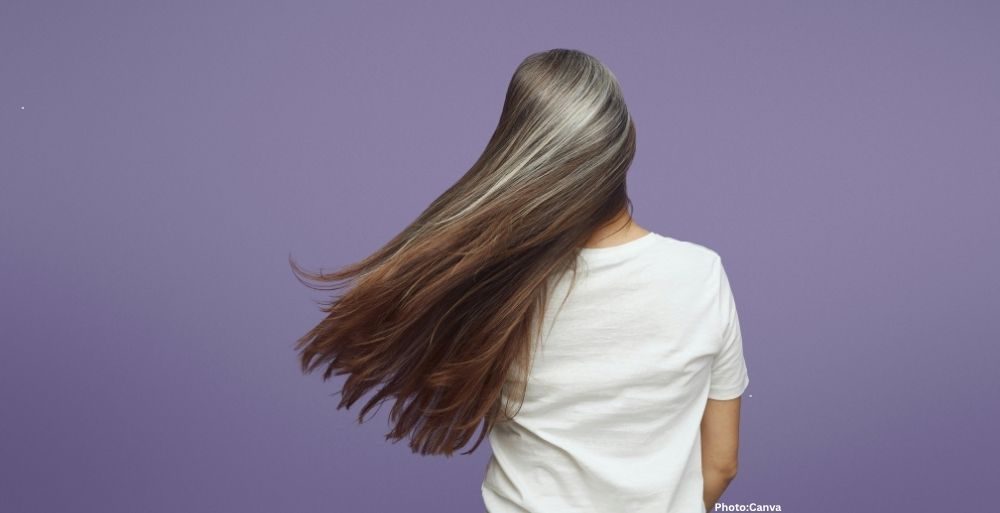
Despite a growing acceptance of gray hair among some women, many continue to dye their hair, influenced by societal attitudes toward aging and beauty standards.
In recent years, a cultural conversation has emerged regarding the perception of aging, particularly as it relates to women’s hair. While a segment of the population embraces their gray hair as a badge of pride, many women still feel compelled to color their locks, revealing deeper societal attitudes about beauty, aging, and self-identity.
Consider the case of a woman in her 70s who meticulously avoids perceived toxins in her skincare regimen yet regularly schedules color appointments to maintain a youthful appearance. She articulates a sentiment common among many women: “Letting my hair go gray—more than any other indication of aging—would add years to my face,” she stated. This reflects a broader concern in which hair color is seen as intrinsically linked to one’s perceived youthfulness.
The Pandemic’s Impact on Hair Choices
During the COVID-19 pandemic, many women chose to embrace their natural gray hair, finding a sense of liberation in letting go of traditional beauty norms. However, as society gradually returned to pre-pandemic routines, a significant number of women reverted to dyeing their hair. This trend is especially pronounced among high-profile actresses who, while allowing their facial features to age, persist in concealing their gray strands. Notable figures such as Julia Roberts, Sarah Jessica Parker, and Keri Russell have maintained regular visits to their colorists, suggesting that societal pressures to appear youthful remain strong.
Interestingly, the few actresses who have publicly chosen to flaunt their gray hair—such as Helen Mirren and Kathy Bates—tend to attract considerable media attention. This phenomenon underscores a cultural narrative where aging is often viewed negatively, particularly for women in the entertainment industry.
Gender Disparities in Media Representation
Research conducted by the Geena Davis Institute in partnership with the nonprofit Next50 highlights significant gender disparities in the representation of individuals over 50 in media. The findings reveal that male characters dominate the 50-plus age demographic, comprising 80% of roles in films, 75% in broadcast television, and 66% in streaming platforms. This imbalance may compel actresses to adhere to traditional beauty standards to secure roles, perpetuating the cycle of ageism within the industry.
The media’s portrayal of aging women often reflects broader societal attitudes. Studies indicate that hair is one of the top three features used to describe individuals, significantly influencing first impressions. The condition of hair—especially its color and shine—is frequently associated with vitality and health, prompting many women to opt for hair dye as a means of mitigating age-related stigma. This societal pressure to maintain a youthful appearance can lead to internal conflicts regarding personal choices and self-acceptance.
Societal Stigmas Surrounding Gray Hair
Despite a growing movement advocating for the acceptance of gray hair, women who choose to embrace it often confront societal stigmas. Research shows that both men and women typically perceive individuals with gray hair as older and less attractive than those without. This perception can foster a reluctance to embrace natural aging, as many women fear being labeled as frail or “letting themselves go.”
As noted by writer Nora Ephron in her 2006 essay, hair dye plays a significant role in the visual aging process for women. Dyeing hair is frequently perceived as a less invasive and more cost-effective alternative to cosmetic procedures like Botox or facelifts. This cultural framework places immense pressure on women to conform to youthful beauty standards, particularly in a society that equates youth with desirability.
Personal Reflections on Aging and Beauty Choices
Reflecting on her own experience, a 75-year-old woman describes her decision to maintain a balayage treatment that softens her gray hair with blondish highlights. She believes this choice enhances her overall appearance and helps her feel more vibrant as she navigates her later years. “My hair color complements my face, providing a sense of brightness and confidence,” she shares, highlighting how personal choices about hair can significantly impact self-perception.
The ongoing discourse surrounding aging, beauty, and societal expectations is complex and multifaceted. While some women find empowerment in their decision to embrace gray hair, many continue to face pressure to conform to traditional beauty norms. This dichotomy illustrates the need for a more inclusive understanding of beauty that transcends age and celebrates the natural aging process.
Future Implications and the Need for Change
As society evolves, the conversation regarding gray hair and aging continues to gain momentum. The recognition that beauty is diverse and not confined to youthfulness could pave the way for a more inclusive cultural narrative. As women increasingly challenge conventional beauty standards, the hope is that future generations will feel empowered to embrace their natural selves without fear of judgment.
Ultimately, the dialogue around gray hair reflects broader societal attitudes toward aging and gender. In an age where women are increasingly vocal about their experiences, the choices they make about their hair and appearance can serve as a powerful form of self-expression. As more women embrace their gray hair, there’s a growing opportunity to reshape societal perceptions and celebrate the beauty of aging.