A majority of Supreme Court justices appear doubtful of the Trump administration’s interpretation of birthright citizenship, raising questions about the legality of an executive order aimed at restricting citizenship for children born to certain immigrant parents.
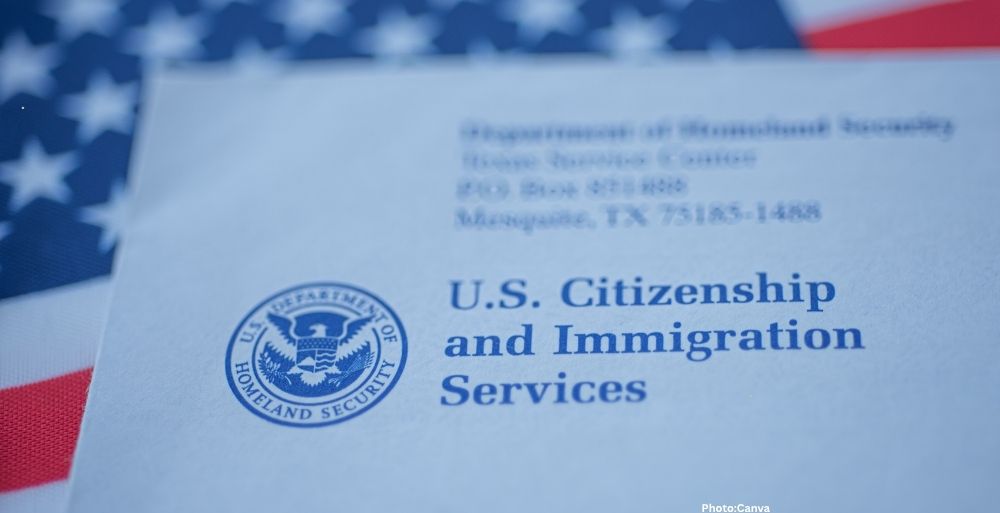
In a pivotal session on April 1, 2024, the U.S. Supreme Court heard arguments regarding the controversial issue of birthright citizenship, a legal principle rooted in the 14th Amendment of the Constitution, which guarantees citizenship to all individuals born on U.S. soil. A majority of justices, including some typically aligned with conservative viewpoints, expressed skepticism toward the Trump administration’s stance that sought to reinterpret this long-standing constitutional provision.
During the oral arguments, D. John Sauer, the solicitor general representing the Trump administration, contended that the 14th Amendment does not confer automatic citizenship to every child born in the United States. He argued that the amendment was originally intended to grant citizenship primarily to former slaves and their descendants, thereby justifying the executive order signed by President Trump that aimed to prevent citizenship for children born to parents who are undocumented or in the country on long-term visas.
Historical Context of the 14th Amendment
The 14th Amendment, ratified in 1868, was a crucial element of Reconstruction, designed to ensure that all individuals born or naturalized in the United States are recognized as citizens. Its broad language has historically been interpreted to include all children born on U.S. soil, regardless of their parents’ immigration status. This interpretation has been upheld by various court rulings, including the landmark 1898 case of Wong Kim Ark, which affirmed the right of a child born in the U.S. to claim citizenship based on their birthplace.
Chief Justice John Roberts raised pointed questions about the implications of Sauer’s argument, stating, “The examples you give to support that strike me as very quirky.” He challenged the notion that the amendment’s scope could be narrowed based on selective historical examples. Justice Neil Gorsuch echoed this concern, emphasizing the focus of the 14th Amendment on the child’s citizenship rather than the parents’ legal status.
Challenges to the Administration’s Position
Justice Amy Coney Barrett questioned the practicality of implementing such a proposal, asking, “How would it work?” She highlighted the difficulties in determining the intent of parents at the time of a child’s birth. Justice Ketanji Brown Jackson further probed into the administrative challenges such a policy would create, sarcastically inquiring if pregnant women would need to undergo depositions to ascertain their immigration status.
In response to the historical analysis provided by Sauer, Justice Elena Kagan remarked, “I think even your brief concedes that the position you’re taking now is a revisionist one with respect to a substantial part of our history.” The justices’ inquiries suggested a consensus that the Trump administration’s arguments could face significant legal hurdles, particularly in light of established precedents.
The ACLU’s Defense of Birthright Citizenship
Outside the Supreme Court, demonstrators gathered to voice their support for the preservation of birthright citizenship. Representatives from the American Civil Liberties Union (ACLU) and other immigrant rights organizations distributed flyers asserting that birthright citizenship is a fundamental right enshrined in the Constitution. Cecillia Wang, a lawyer for the ACLU, argued that the 14th Amendment was designed to create a universal rule of citizenship, with limited exceptions, and stated that current policy considerations should not dictate a re-interpretation of its original meaning.
Echoing this sentiment, ACLU Executive Director Anthony Romero addressed the crowd, stating, “We are fighting for the heart and soul of this country. The fight to protect birthright citizenship is about our neighbors, our families, our kids. It’s not about the past, it’s about the future.” He expressed confidence in the arguments presented during the session, highlighting the potential ramifications of the court’s decision.
Implications of the Court’s Decision
The Supreme Court’s ruling, expected by summer 2024, could have profound implications for immigration policy and citizenship rights in the United States. Should the Court side with the administration, it could effectively alter the interpretation of the 14th Amendment, impacting countless individuals born in the U.S. to non-citizen parents. Conversely, a ruling in favor of maintaining the current interpretation could reinforce longstanding legal precedents and affirm the principle of automatic citizenship.
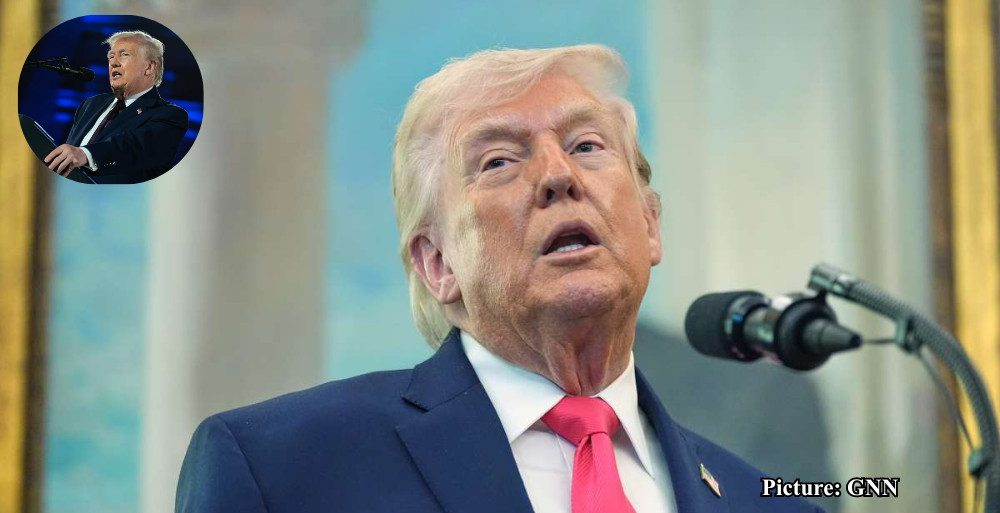
President Trump himself attended the oral arguments, marking the first instance of a sitting president being present during such proceedings. He left the courtroom before the arguments concluded, later commenting on social media, “We are the only Country in the World STUPID enough to allow ‘Birthright’ Citizenship!” This statement, however, overlooks the fact that approximately three dozen countries around the world also grant birthright citizenship.
As the debate continues, the broader implications of this case extend beyond legal interpretations; they touch upon the very essence of national identity and the values associated with citizenship in the United States.