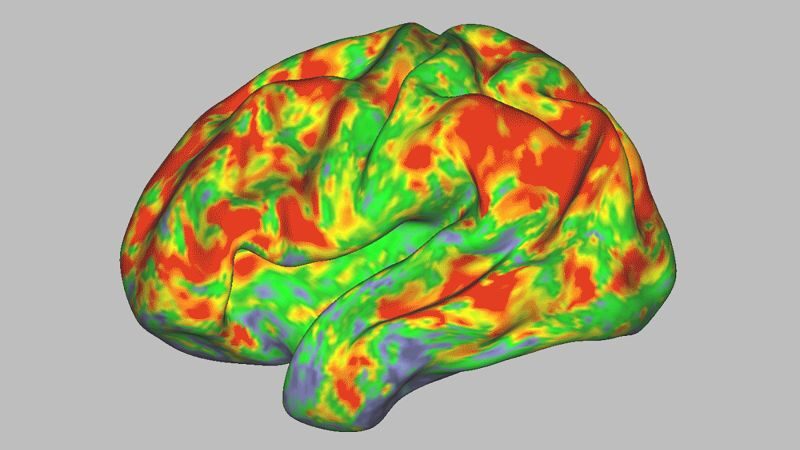

A study published in April 2026 suggests that higher levels of vitamin D during midlife may correlate with reduced tau protein in the brain, a key biomarker for Alzheimer’s disease, indicating a potential avenue for lowering dementia risk in later life.
A study published on April 1, 2026, in the journal Neurology Open Access reveals a potential link between elevated vitamin D levels in midlife and lower levels of tau protein in the brain years later. Tau protein is a significant biomarker associated with Alzheimer’s disease and other forms of dementia, making this research particularly relevant in a time when Alzheimer’s disease impacts millions globally.
Study Overview and Methodology
The research, conducted by a team from the University of Galway, involved a longitudinal analysis of 793 adults, with an average age of 39, who were free of dementia at the outset of the study. Baseline blood samples were collected to measure their vitamin D levels, and approximately 16 years later, participants underwent brain scans to evaluate the presence of tau and amyloid beta proteins. The researchers classified vitamin D levels as high if they exceeded 30 nanograms per milliliter (ng/mL), with 34% of participants identified as having low vitamin D levels and only 5% reporting the use of vitamin D supplements.
Key Findings on Vitamin D and Tau Protein
The study’s findings indicated that individuals with higher vitamin D levels in midlife exhibited lower levels of tau protein in their brains years later. This correlation suggests a potential protective effect of vitamin D against the development of tau deposits, which are linked to the progression of Alzheimer’s disease. In a statement regarding the findings, study author Martin David Mulligan, MB BCh BAO, remarked, “These results suggest that higher vitamin D levels in midlife may offer protection against developing these tau deposits in the brain, and that low vitamin D levels could potentially be a modifiable risk factor that could be treated to reduce the risk of dementia.”
However, Mulligan was careful to note that while the association is compelling, it does not establish a direct causal relationship between vitamin D levels and reduced tau accumulation. The complexity of Alzheimer’s disease pathology involves various factors, and further research is necessary to clarify the role of vitamin D.
Absence of Association with Amyloid Beta
One significant aspect of the study is the finding that no correlation was found between vitamin D levels and amyloid beta levels in participants’ brains. Amyloid beta, another critical biomarker, is often associated with the early stages of Alzheimer’s disease, and its accumulation is thought to play a role in neurodegeneration. The lack of a connection between vitamin D and amyloid beta underscores that while vitamin D may influence tau accumulation, its relationship with other Alzheimer’s disease markers remains unclear and warrants further investigation.
Context of Alzheimer’s Disease and Public Health Implications
Alzheimer’s disease currently affects over 6 million people in the United States alone, with numbers projected to rise significantly as the population ages. The disease is characterized by a slow decline in cognitive function, leading to difficulties in memory, thinking, and behavior. As the global health community grapples with the challenges posed by an aging population, identifying modifiable risk factors for dementia becomes increasingly crucial.
The potential of vitamin D as a modifiable risk factor for dementia is particularly noteworthy. Vitamin D, often referred to as the “sunshine vitamin,” is associated with various health benefits, including bone health and immune function. The possibility that maintaining adequate levels of vitamin D could influence brain health adds another layer to the ongoing discourse about lifestyle interventions in the prevention of cognitive decline.
Limitations of the Study and Future Research Directions
Despite the promising findings, the study does have limitations that should be acknowledged. Notably, vitamin D levels were assessed only once at the beginning of the research period rather than being tracked over time. This single measurement may not accurately represent fluctuations in vitamin D status, which could impact the understanding of its long-term effects on brain health.
The study was supported by several organizations, including the National Institute on Aging, the National Institute of Neurological Disorders and Stroke, the Irish Research Council, and the Health Research Board of Ireland. As the scientific community continues to explore the complexities of dementia and Alzheimer’s disease, this research emphasizes the importance of vitamin D in midlife and its potential implications for cognitive health.
Future studies are necessary to validate these findings and to further investigate the mechanisms through which vitamin D may exert its protective effects on the brain. Longitudinal studies that monitor vitamin D levels over extended periods could provide deeper insights into how maintaining sufficient vitamin D levels may influence the trajectory of cognitive health as individuals age.
In conclusion, while the study offers encouraging insights into the relationship between midlife vitamin D levels and tau protein accumulation, it also highlights the need for continued research to establish clearer causal links and to understand the broader implications for public health strategies aimed at reducing the risk of dementia.