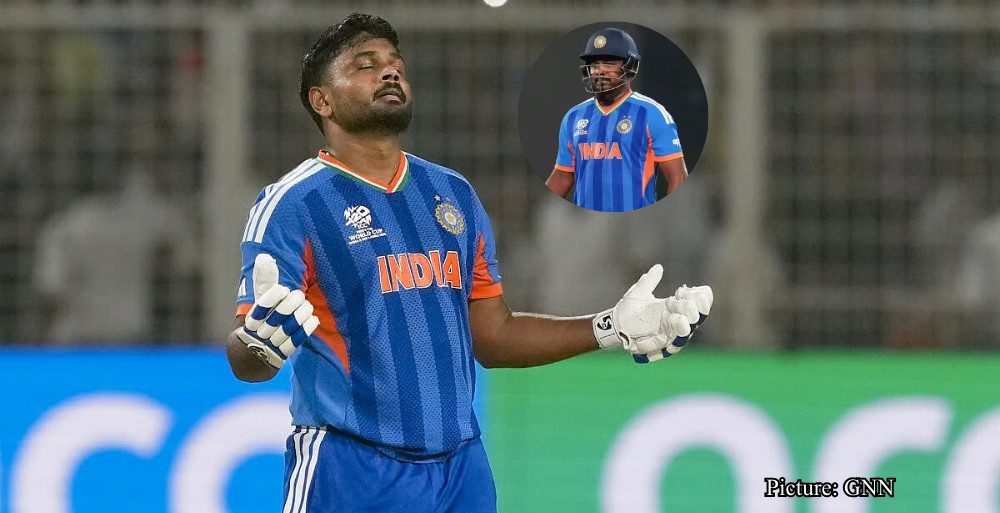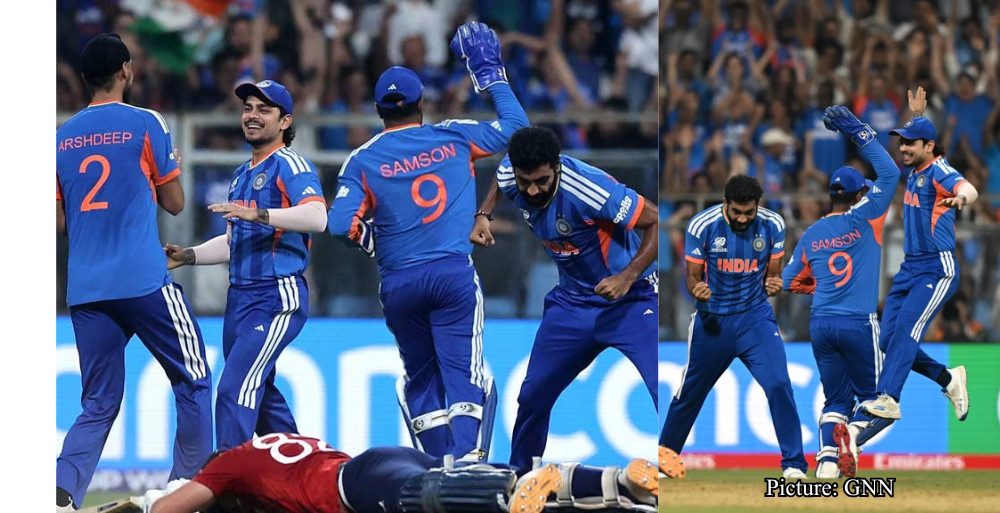










The Indian cricket team faces a crucial challenge as they prepare for a must-win encounter against the formidable West Indies in the T20 World Cup. While the lead seamers have shown commendable discipline and control, the spin department and certain all-rounders have raised concerns with their inconsistent performances.
In the high-octane world of T20 cricket, where every delivery can potentially change the fate of a match, the Indian team’s bowling unit finds itself under scrutiny. The recent performance against Zimbabwe highlighted both strengths and vulnerabilities within the squad. The seamers, traditionally the backbone of any bowling attack, managed to keep Zimbabwe’s batsmen in check, showcasing a blend of pace, precision, and strategic acumen. However, as the tournament progresses, the spotlight is increasingly shifting towards the spinners and the all-rounders, whose performances could be pivotal in determining India’s fate.
Varun Chakaravarthy and Axar Patel, two of India’s key spinners, have been grappling with issues of rhythm and consistency. In a format where spinners can often be the game-changers, their inability to find the right lines and lengths has been a cause for concern. Chakaravarthy, known for his mystery spin, has struggled to replicate the form that once made him a potent weapon in the Indian Premier League. His variations, which were once his greatest asset, seem to have lost their edge, with batsmen reading him more comfortably than before. Similarly, Axar Patel, who has been a reliable performer in the past, has found himself unable to exert the same level of control and penetration.
The role of a spinner in T20 cricket is multifaceted. Beyond just containing runs, they are expected to break partnerships and provide crucial breakthroughs. In the current scenario, both Chakaravarthy and Patel have fallen short of these expectations, often allowing opposition batsmen to settle and build momentum. This has placed additional pressure on the seamers, who, despite their best efforts, cannot single-handedly shoulder the burden of the bowling attack.
Adding to the woes is the performance of Shivam Dube, an all-rounder who was expected to offer balance to the side. Dube’s inclusion was meant to provide a cushion in both the batting and bowling departments. However, his contributions with the ball have been underwhelming, making him a weak link in the team’s strategy. In T20 cricket, where the margin for error is minimal, Dube’s inability to deliver consistent performances has forced the team management to reconsider their options.
As India gears up for their encounter against the West Indies, a team known for its explosive batting and aggressive approach, the need for a cohesive and effective bowling strategy becomes paramount. The West Indies, with their lineup of hard-hitting batsmen, present a unique challenge that requires both skill and tactical nous to overcome. Historically, the Caribbean side has thrived on unsettling bowling attacks with their power-hitting, making it imperative for India to address their bowling frailties.
In preparation for the upcoming clash, the Indian team management must introspect and recalibrate their strategies. A potential solution could involve tweaking the bowling combinations, perhaps bringing in a fresh face or two who can offer a different dimension to the attack. The inclusion of a bowler with the ability to swing the ball or a spinner with a knack for taking wickets could provide the impetus needed to unsettle the West Indian batsmen.
Moreover, the importance of field placements and bowling plans cannot be overstated. The Indian bowlers must be adept at reading the game situation and adapting their strategies accordingly. This includes setting aggressive fields that can capitalize on any mistakes made by the opposition and executing well-thought-out plans that target the weaknesses of individual batsmen.
Beyond the technical adjustments, there is also a psychological aspect to consider. The pressure of a must-win game can weigh heavily on players, affecting their performance. The team management and senior players must work to instill a sense of calm and confidence within the squad, ensuring that the players remain focused on the task at hand rather than being overwhelmed by the occasion.
The narrative of Indian cricket is rich with instances of overcoming adversity and rising to the occasion when it matters most. The current situation presents another such opportunity for the team to demonstrate resilience and adaptability. As they prepare to face the West Indies, the Indian bowling unit stands at a crossroads, with the potential to either crumble under pressure or emerge as the heroes of the day.
In conclusion, the upcoming clash against the West Indies is not just a test of skill, but a test of character for the Indian team. The ability to learn from past mistakes, make necessary adjustments, and approach the game with a strategic mindset will be crucial in determining their success. As fans and analysts alike watch with bated breath, the hope is that the Indian bowlers will rise to the challenge, delivering a performance that not only secures victory but also restores faith in their capabilities.