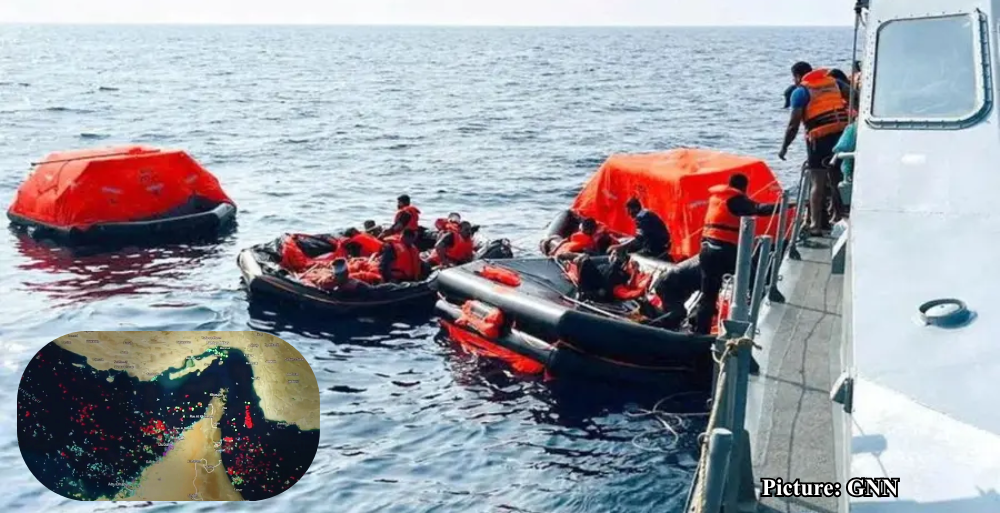
The ongoing conflict in the Middle East has left approximately 20,000 sailors trapped in the Strait of Hormuz, facing critical shortages of food and water as geopolitical tensions escalate.
New Delhi – As the conflict in the Middle East intensifies, now entering its fifth week, the humanitarian crisis for approximately 20,000 sailors stranded in the Strait of Hormuz has reached alarming levels. With about 2,000 vessels caught in a blockade exacerbated by Iranian threats, seafarers are enduring extreme conditions, facing dwindling supplies of food and water while navigating a complex web of maritime laws that complicate their plight.
Reports indicate that helplines dedicated to supporting seafarers are inundated with urgent requests for assistance. Mohamed Arrachedi, the International Transport Workers’ Federation (ITF) Network Coordinator for the Arab World and Iran, reported a significant uptick in calls for help. “Immediate supply of food, drinking water, basic necessities is required to sustain the crew,” one distress call to the ITF Seafarer Support team stated, as reported by the news agency AFP.
Arrachedi characterized the situation as extraordinarily precarious, revealing that he receives calls from seafarers at all hours of the night. “There is a lot of panic. I get calls from seafarers at two o’clock, three o’clock in the morning. One seafarer called in a panic, saying: ‘We are here bombed. We don’t want to die. Please help me, sir. Please get us from here,’” he recounted to AFP. This testimony underscores the escalating urgency and desperation among those trapped at sea, illustrating the human cost of geopolitical strife.
Legal and Logistical Challenges for Stranded Sailors
The conflict has prompted the International Bargaining Forum to classify the area around the Strait of Hormuz as a war zone. In such scenarios, maritime law mandates that seafarers are entitled to repatriation at their employer’s expense and double pay for those who continue to work under hazardous conditions. However, many seafarers find themselves aboard vessels that lack such agreements, rendering them particularly vulnerable in the current crisis.
On March 18, a seafarer disclosed in an email that their ship’s operator was disregarding requests for evacuation. “They are forcing us to continue to do cargo operations and STS (ship-to-ship operations) even when we raise our concerns about our safety and we are in a war-like area. They are keeping us in a position with no options,” the email reported. This highlights not only the immediate dangers but also the ethical responsibilities of shipping operators towards their crews.
Lucian Craciun, a member of the ITF’s support team addressing these distress calls, noted that nearly half of the inquiries pertain to issues regarding pay. Many seafarers remain on board despite the imminent dangers due to financial constraints. “In one email, a seafarer asked for confirmation if his salary would go from $16 a day to $32 because he was in a war zone,” Craciun explained. Such low wages reflect a troubling lack of labor agreements that ensure fair compensation and safeguard seafarers’ rights in perilous environments.
The Complexities of Modern Shipping
The intricate nature of modern shipping exacerbates the challenges faced by stranded crews. According to a report published in Wired, vessels often operate under multiple jurisdictions, complicating accountability and assistance during crises. A ship can be owned in one country, registered in another, and managed by a third, which complicates the processes of repatriation and assistance. While organizations like the ITF assert that intervention is possible, it depends on effective coordination across these various jurisdictions and cooperation from shipowners.
Fatalities and Broader Global Implications
Since the onset of the conflict, the International Maritime Organization has reported 19 confirmed incidents involving vessels, resulting in the tragic deaths of 10 seafarers. The Iranian government has threatened to target ships attempting to navigate the Strait of Hormuz, a critical maritime passage that facilitates the transport of approximately one-fifth of the world’s oil and gas supplies. This blockade is not only a humanitarian crisis but is also contributing to rising inflation globally, intensifying energy security concerns in key markets, including India and China.
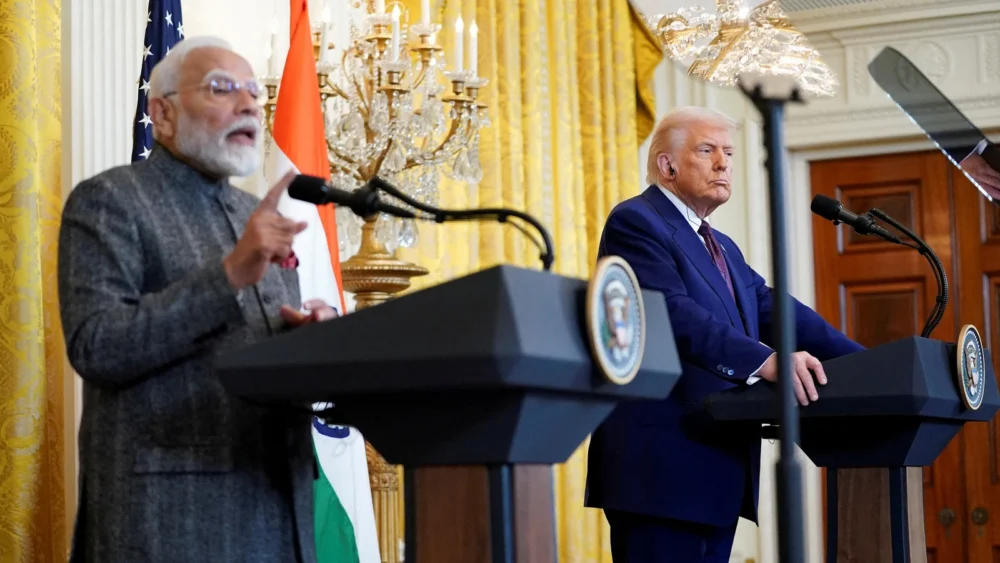
The implications of this crisis extend beyond the immediate humanitarian concerns, prompting renewed scrutiny of U.S. foreign policy in the region. The situation has escalated following sanctions imposed on Iran and military support for Israel on February 28, raising the stakes in the already volatile geopolitical landscape. Analysts warn that as the conflict continues to evolve, the repercussions for global trade, energy security, and regional stability could be profound.
In light of these developments, the international community faces a pressing dilemma: how to address the immediate humanitarian needs of the stranded seafarers while navigating the complex geopolitical currents that underpin the ongoing conflict. As calls for assistance continue to grow, the fate of those trapped in the Strait of Hormuz remains precarious, underscoring the intersection of global trade, maritime law, and humanitarian imperatives.