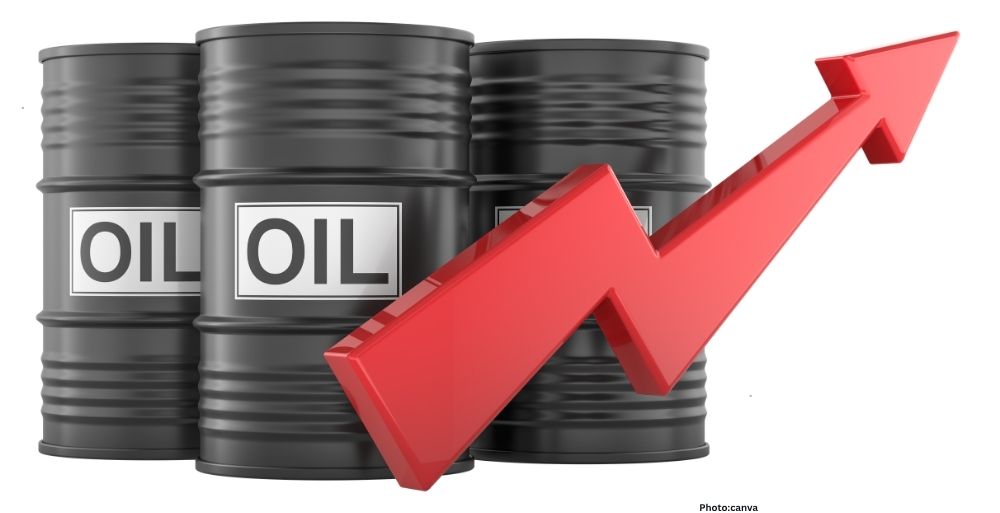
The recent surge in U.S. gas prices, reaching over $4 per gallon, is largely attributed to global oil market fluctuations, particularly influenced by geopolitical tensions. Retailers face tighter margins as they struggle to adjust to these rapid changes.
DES MOINES, Iowa (AP) — American drivers are currently grappling with a significant rise in fuel costs, as the national average for a gallon of gasoline surpassed $4 on Tuesday, marking the highest prices since 2022. This increase is largely a consequence of escalating tensions in the Middle East, particularly the ongoing conflict involving Iran, which has reverberated through global oil markets.
President Donald Trump’s recent address, in which he indicated a forthcoming robust response to Iran, has further fueled these market concerns. Oil prices spiked immediately following the speech, signaling to consumers that volatility at the pump would likely continue. According to AAA, the American Automobile Association, consumers have been left feeling frustrated and financially strained as they navigate the unpredictability of gas prices that can fluctuate markedly from day to day and even between neighboring gas stations.
Lonnie McQuirter, the director of operations at 36 Lyn Refuel Station in south Minneapolis, highlighted the rapid changes in wholesale fuel prices, stating that these fluctuations are the primary reason for the increased costs at the pump. On Thursday, his station priced regular gas at $3.399 per gallon, approximately 20 cents lower than the metro average, reflecting his efforts to remain competitive amid rising costs.
“We price based on what we’re able to buy fuel at, and how well we can operate,” McQuirter explained. While he refrained from commenting on competitors’ pricing strategies, he acknowledged the tightening margins he faces due to increased credit card fees and the rising costs associated with maintaining fuel pumps. “In times like these, with consumers ‘screaming for help,’ small operators like me act on emotion more than greed,” he added, emphasizing the personal toll these economic pressures take on retailers.
Understanding Gas Prices
The composition of gas prices reveals that a substantial portion is influenced by factors beyond the control of gas station owners. Approximately half of the price at the pump is attributable to the cost of crude oil, the essential component in gasoline, according to the U.S. Energy Information Administration. Refiners, who convert crude oil into gasoline, account for around 20% of the price, while taxes—federal, state, and local—make up nearly another 20%. The remaining 10% is allocated to retailers, who must cover transportation, labor, and operational expenses.
Data from the National Association of Convenience Stores (NACS) indicates that retailers’ markup has averaged about 38 cents per gallon over the past five years. After accounting for expenses, gas stations retain about 15 cents per gallon. Jeff Lenard, a vice president at NACS, remarked, “Some make more, some make less,” underscoring the variability within the industry.
Patrick De Haan, head of petroleum analysis at GasBuddy, likened the situation for gas station owners to that of homeowners in a fluctuating real estate market. “If I was selling a house today, I’d be beholden to whatever the housing market is. That’s the same for gas station owners,” he noted, emphasizing that they are often price takers rather than price makers.
Variability in Gas Prices
The disparity in gas prices across the country can be attributed to several factors, including state-specific gasoline taxes and geographical considerations. For instance, California’s gas taxes and fees were approximately 71 cents per gallon last year, in stark contrast to Alaska’s roughly 9 cents. Additionally, the proximity of gas stations to refineries, the volume of fuel sold, and the availability of alternative fuel options can also affect pricing strategies.
Gas stations often adjust their prices based on competitive pressures. Stations located near one another may employ visible outdoor signage to attract customers, hoping to entice them to enter the store for additional purchases beyond fuel. “It’s one of the only retail locations where you don’t have to go into the store to find out what you’re paying,” said Neal Walters, a partner at the consulting firm Kearney.
Impact of Rising Prices on Retailers
While gas stations sell vast quantities of fuel daily, the financial benefits of rising prices do not typically translate to higher profits for retailers. “The margins shrink when prices go up because it’s harder for them to pass along the increases as quickly as they themselves get them,” De Haan explained. Conversely, when oil prices decline, retailers may see a recovery of some losses, though uncertainty about future supply costs complicates this dynamic.
Garrett Golding, assistant vice president for energy programs at the Federal Reserve Bank of Dallas, noted that higher gas prices can adversely affect sales of convenience store items. As consumers face increased costs at the pump, they may reduce spending on non-fuel purchases. “So it’s not always the case that higher prices mean the service station owners are actually doing better,” he stated.
In conclusion, while the oil and gas supply chain generates most of its profits upstream—primarily through extraction and refining—there remains a cautious sentiment among industry players regarding the long-term implications of sustained high prices. As Golding pointed out, significant spikes in fuel costs could eventually dampen demand, presenting a complex challenge for all stakeholders in the market.