


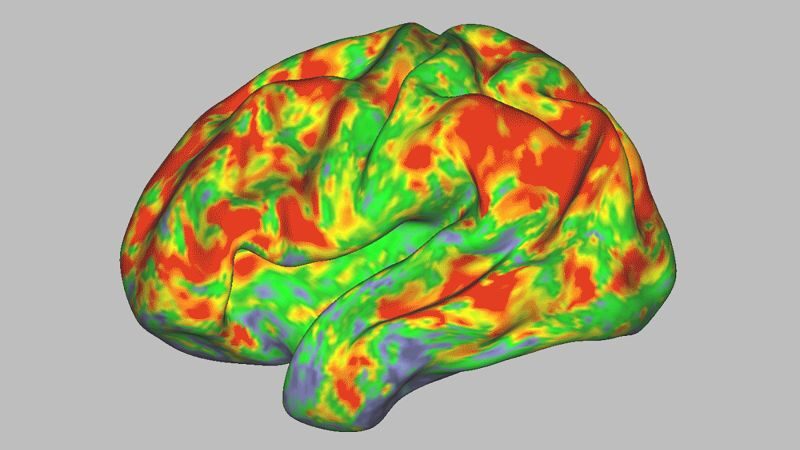
Recent research has revealed that psychedelics such as psilocybin, found in “magic mushrooms,” may offer more than hallucinogenic effects: they show promise in reducing brain inflammation, improving neural plasticity, and helping to prevent psychiatric issues. These effects stem from how psychedelics interact with brain signaling pathways, particularly those involved in immune regulation and neuron growth.
In animal studies, psilocybin was observed to activate genetic mechanisms that control inflammation in brain-immune cells and to spur growth and connectivity in neurons—effects that lingered well after the psychedelic experience had ended. Researchers believe this may help protect against disorders like depression, anxiety, and conditions linked with neuroinflammation.
Experts caution, however, that while animal model results are encouraging, human trials are only in early stages. There are unknowns regarding dosage, long-term safety, and potential side effects. Clinical use still requires rigorous testing and regulatory oversight before psychedelics could become mainstream treatments for mental health and neurodegenerative conditions.