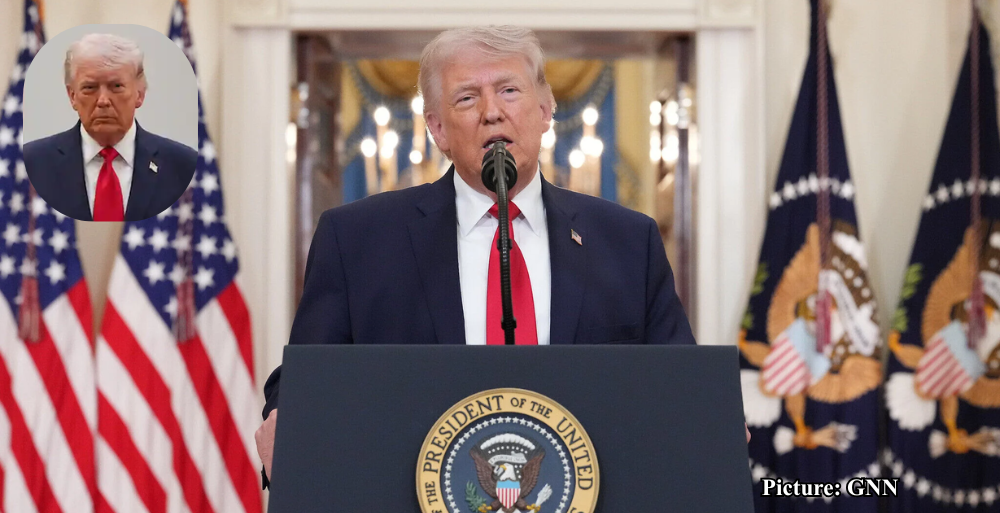
In a national address on April 1, 2026, President Trump announced significant military actions against Iran, asserting that U.S. objectives are nearing completion as tensions escalate in the region.
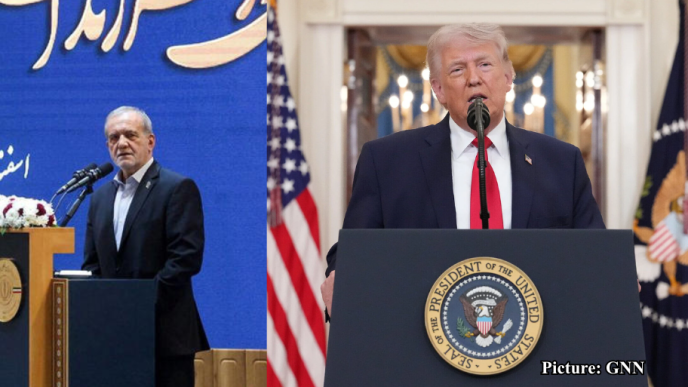
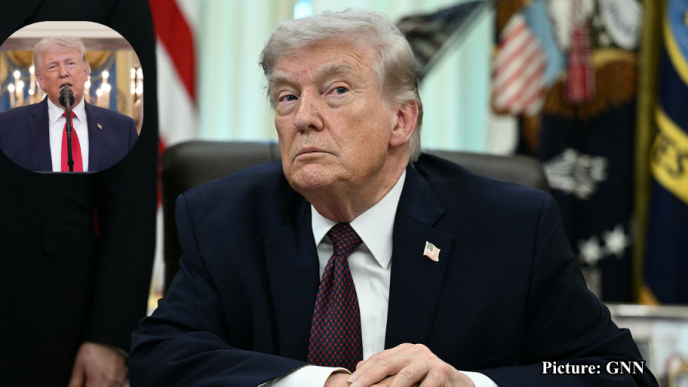
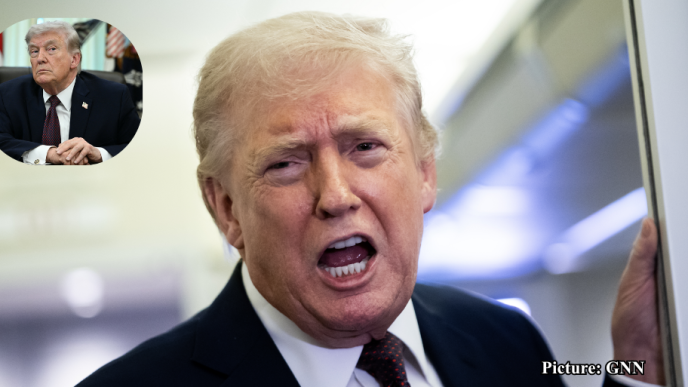
April 1, 2026 – In a televised address from the White House, President Donald Trump provided an update on the ongoing military operations against Iran, declaring that U.S. objectives in the region are “nearing completion.” This address follows the initiation of extensive military strikes launched by U.S. and Israeli forces, which began on February 28, 2026, targeting key Iranian military and governmental infrastructure.
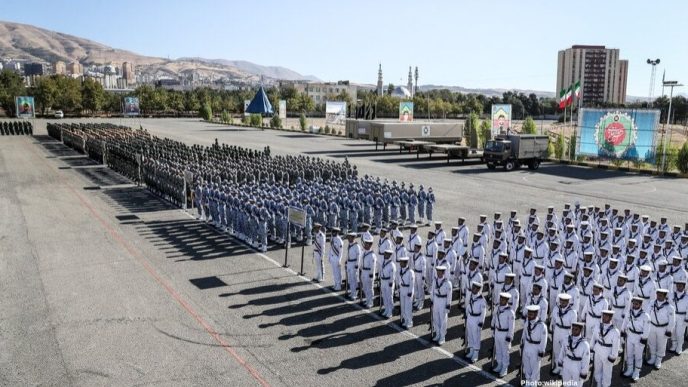
During the address, Trump highlighted the scale of these military operations, stating that they have resulted in the deaths of several high-ranking officials, including Iran’s Supreme Leader Ayatollah Ali Khamenei. Following Khamenei’s death, his son, Mojtaba Khamenei, has been named as his successor, indicating a potential shift in Iranian leadership amidst ongoing conflict. In retaliation for the strikes, Iran has escalated its military response, launching missile and drone attacks aimed at Israel, U.S. military bases in the region, and multiple Gulf nations.
Details of Military Operations
Trump announced that the U.S. intends to intensify its military efforts, stating, “We are going to hit Iran extremely hard over the next two weeks.” This statement underscores the administration’s commitment to its strategic objectives in Iran, suggesting that a strong military presence will persist in the region. He further claimed, “Iran has been essentially decimated. The hard part is done, so it should be easy,” reflecting a belief that the initial phases of military operations have successfully weakened Iran’s capabilities.
As tensions rise, Iran’s attempts to obstruct global shipping in the strategically vital Strait of Hormuz—an essential channel for oil transportation—have become a focal point. In light of these developments, Trump called on other nations to assist in securing the passageway, suggesting they either buy oil from the U.S. or “build up some delayed courage” to protect the strait themselves. This reflects a broader strategy to encourage international partners to share in the burden of securing vital trade routes impacted by Iranian actions.
Ongoing Diplomatic Efforts
Despite the military operations, Trump indicated that discussions with Tehran are ongoing, although he did not provide specific details regarding the nature or progress of these negotiations. His remarks suggest a dual strategy of maintaining military pressure while remaining open to diplomatic engagement, though the prospects for successful dialogue appear dim under the current circumstances.
The president’s announcement comes at a critical juncture as NATO’s role in the region faces scrutiny. Trump is scheduled to meet with NATO Secretary General Mark Rutte next week, amidst rising tensions regarding the alliance’s response to the Iranian threat. Trump’s dissatisfaction with European nations for failing to provide adequate support in securing the Strait of Hormuz was evident, as he expressed that he is “absolutely” considering a U.S. withdrawal from NATO, revealing significant frustration with the alliance’s action (or inaction) during this crisis.
Public and Political Reactions
The military strikes and Trump’s subsequent remarks elicited mixed reactions both domestically and internationally. Critics of the administration express concern that escalating military involvement could further destabilize the region, potentially leading to broader conflicts. Conversely, supporters of the administration argue that decisive military action is essential to counter Iran’s influence and protect U.S. interests in the Middle East.
Historically, U.S. relations with Iran have been characterized by complexity and tension. The roots of this strained relationship can be traced back to the 1953 coup that ousted Prime Minister Mohammad Mossadegh, reinstating the Shah of Iran. The situation further deteriorated following the 1979 Iranian Revolution, which resulted in the establishment of the Islamic Republic and decades of adversarial relations between the two nations.
As the situation continues to evolve, analysts are closely monitoring the potential for broader regional conflict, particularly as Israel has intensified its military operations against Hezbollah in Lebanon, a militia backed by Iran. The implications of these developments could have far-reaching effects not only for U.S.-Iran relations but also for global oil markets and regional geopolitics.
The coming weeks are likely to be pivotal as U.S. military strategy evolves in response to Iranian actions and the broader international dynamics at play. Trump’s statements reflect a sense of urgency and resolve, yet the efficacy and potential consequences of these military operations remain uncertain. As the U.S. and its allies navigate this complex geopolitical landscape, the stakes are high for all parties involved.