Following recent threats made by President Trump against Iran, lawmakers are increasingly calling for the invocation of the 25th Amendment, citing concerns over his mental fitness and national security risks.
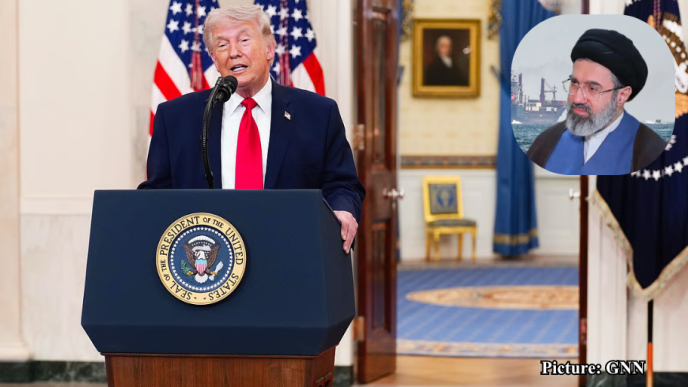
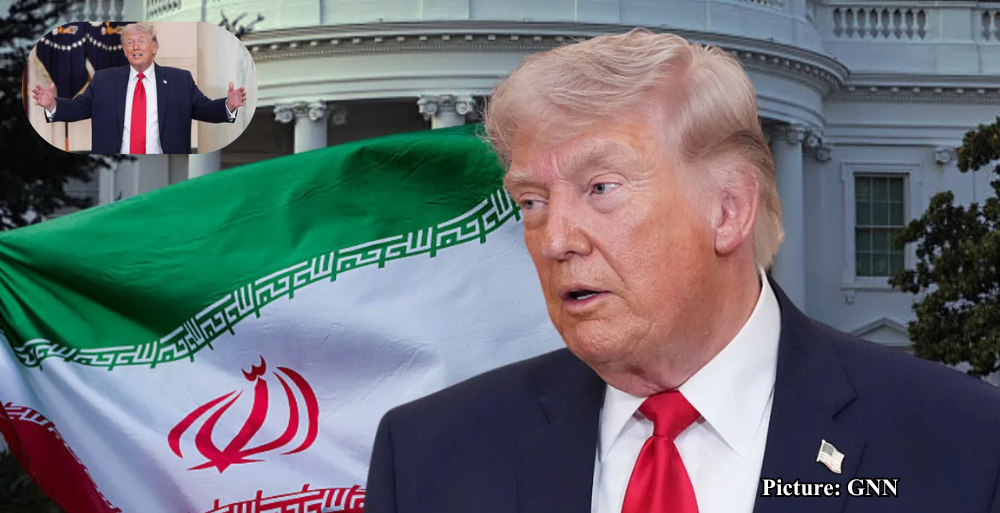
In a significant escalation of rhetoric, President Donald Trump issued a stark warning to Iran on Easter Sunday, threatening military action against the nation unless it reopens the Strait of Hormuz by Tuesday at 8 p.m. E.T. This ultimatum comes amid ongoing tensions surrounding U.S. military engagement in the region and accusations of international law violations, prompting lawmakers to consider invoking the 25th Amendment of the U.S. Constitution, which addresses presidential succession and disability.
Trump’s declaration, posted on social media, stated, “There will be nothing like it!!! Open the Fuckin’ Strait, you crazy bastards, or you’ll be living in Hell – JUST WATCH!” This comment follows recent Israeli attacks on Iranian infrastructure, including the South Pars gas field, which have raised concerns about potential violations of international humanitarian law.
25th Amendment Explained
The 25th Amendment, ratified in 1967 in response to the assassination of President John F. Kennedy, provides procedures for presidential succession and the transfer of power in instances where the President is incapacitated or unable to fulfill their duties. It comprises four sections:
- Section 1: Establishes that the Vice President assumes the presidency in the event of the President’s death or resignation.
- Section 2: Requires the President to nominate a new Vice President if there is a vacancy.
- Section 3: Allows the President to voluntarily transfer power to the Vice President if they anticipate becoming incapacitated.
- Section 4: Enables the Vice President, along with a majority of the Cabinet, to declare the President unable to perform their duties, thereby transferring powers to the Vice President.
While Sections 1, 2, and 3 have been invoked several times in U.S. history, Section 4 has never been used. Lawmakers are now pointing to this section as a possible recourse in light of Trump’s recent threats, which some critics have labeled as indicative of instability and potential war crimes.
Political Reactions
Senator Chris Murphy (D-Conn.) voiced strong condemnation of Trump’s statements, urging Cabinet members to consider constitutional measures regarding the 25th Amendment. Murphy stated, “If I were in Trump’s Cabinet, I would spend Easter calling constitutional lawyers about the 25th Amendment. This is completely, utterly unhinged. He’s already killed thousands. He’s going to kill thousands more.” He emphasized the humanitarian implications of any military action against civilian infrastructure in Iran.
Similarly, Representative Yassamin Ansari (D-Ariz.) expressed concern over Trump’s mental fitness, declaring that the President poses a “national security threat.” Ansari questioned the rationale behind military strikes against Iranian universities and civilian sites, suggesting that such actions could be viewed as war crimes.
Even some former Republican allies of Trump have begun to echo these sentiments. Former Congressman Joe Walsh remarked on social media, “His Easter morning post… will forever be a stain on this country. And the world. 25th Amendment. Now.”
In a broader context, the ongoing military engagement and threats have raised alarms among international observers, with Iran’s government labeling Trump’s threats as incitements to conflict. The Iranian Embassy in South Africa and other diplomatic missions have urged U.S. officials to consider the implications of invoking the 25th Amendment.
Historical Context of the 25th Amendment
Since its ratification, the 25th Amendment has been invoked primarily for voluntary transfers of power. For instance, President Ronald Reagan temporarily transferred authority to Vice President George H.W. Bush during a medical procedure in 1985, and President Joe Biden did so briefly in 2021. However, the amendment’s Section 4, which allows for involuntary removal, has never been activated, highlighting the gravity and unprecedented nature of the current discussions.
Political analysts have noted that the potential for a Democratic majority emerging from the midterm elections later this year might increase the likelihood of congressional action against Trump, including potential impeachment or constraints on his executive powers.
Constitutional Considerations
The invocation of the 25th Amendment is a complex and fraught process, requiring not only Cabinet consensus but also potential congressional approval. As discussions continue, lawmakers and political commentators alike are weighing the constitutional implications and practical challenges of such an unprecedented step. Simon Jenkins, a columnist for the Guardian, suggested that the chances of invoking the amendment remain slim, but highlighted that ongoing threats from the President could shift public and political sentiment.
As the situation develops, the intersection of presidential rhetoric, national security, and constitutional law remains a critical area of scrutiny for lawmakers, analysts, and the public alike.