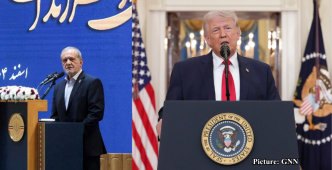
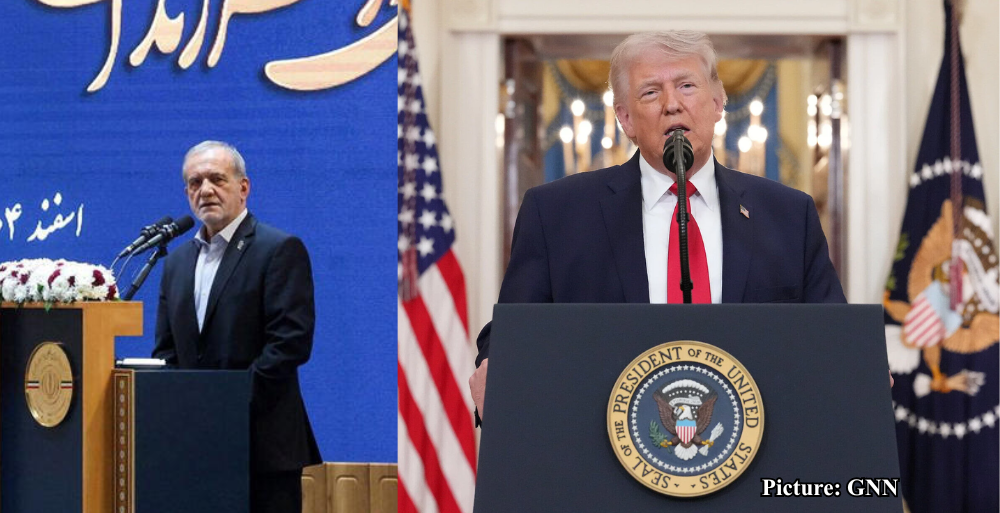
In a letter to the American people, Iranian President Masoud Pezeshkian urged a shift from confrontation to engagement, coinciding with heightened military actions between Iran and the United States.
In a significant diplomatic gesture, Iranian President Masoud Pezeshkian addressed the American populace on Wednesday, just hours before U.S. President Donald Trump is set to deliver a national address regarding the ongoing U.S. military operations in Iran. This communication comes at a crucial moment in U.S.-Iran relations, as the conflict has now entered its fifth week, following a series of joint strikes by the United States and Israel that began on February 28, 2026.
Context of the Conflict
Pezeshkian’s letter, which was disseminated via the social media platform X, conveys a message that emphasizes the urgency of diplomatic engagement over military confrontation. He stated, “Today, the world stands at a crossroads. Continuing along the path of confrontation is more costly and futile than ever before. The choice between confrontation and engagement is both real and consequential; its outcome will shape the future for generations to come.” This appeal highlights an Iranian desire to pivot toward peaceful negotiations amidst escalating tensions.
The military operations, which were initiated as part of a broader strategy during stalled nuclear negotiations, have reportedly resulted in significant casualties, including the deaths of several high-profile Iranian leaders, notably former Supreme Leader Ayatollah Ali Khamenei. The escalation has underscored the precarious nature of international relations concerning Iran’s nuclear program, a longstanding issue that has confounded diplomatic efforts for years.
Failed Ceasefire and Stalled Negotiations
Last week’s attempt to broker a ceasefire was unsuccessful, with both the U.S. and Iran unable to agree on terms. Tehran rebuffed the U.S.’s 15-point action list, responding instead with its own set of demands, further complicating the potential for diplomatic resolution. The backdrop of military aggression coincides with the Trump administration’s ongoing efforts to negotiate a new agreement aimed at limiting Iran’s nuclear capabilities after the withdrawal from the previous nuclear deal in 2018, which had been viewed as a pivotal moment in U.S.-Iran relations.
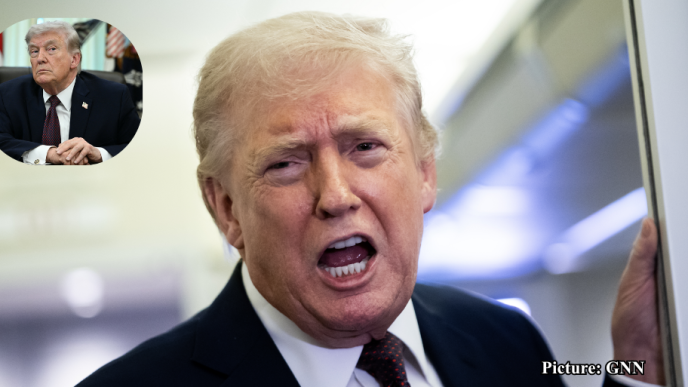
President Trump’s strategy appears to involve leveraging military pressure to compel Iran into negotiations, a stance he reiterated earlier on Wednesday. He stated that Iranian officials were “begging” the U.S. to reach a deal to halt military actions, an assertion that reflects a hardline approach to diplomacy characterized by the use of force as a bargaining chip.
Criticism from Iranian Leadership
In his letter, President Pezeshkian criticized the U.S. for its withdrawal from previous negotiations, stating, “Iran pursued negotiations, reached an agreement, and fulfilled all its commitments. The decision to withdraw from that agreement, escalate toward confrontation, and launch two acts of aggression in the midst of negotiations were destructive choices made by the U.S. government—choices that served the delusions of a foreign aggressor.” This statement indicates Iran’s frustration with the U.S. approach to diplomacy, portraying Tehran’s actions as good-faith efforts towards negotiation while framing U.S. military actions as provocations.
Expectations for Trump’s Address
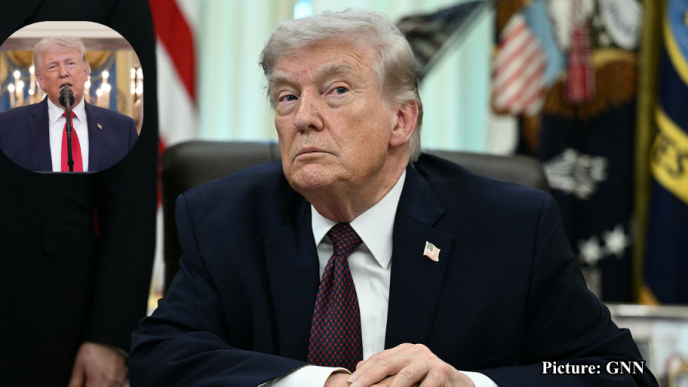
As President Trump prepares to address the nation at 9 p.m. ET on Wednesday, anticipation is building regarding the content and implications of his speech. In a conversation with Reuters earlier in the day, Trump indicated that the U.S. would be “out pretty quickly” from Iran, although he refrained from providing a specific timeline for troop withdrawal. He also mentioned that the U.S. would continue to conduct “spot hits” as deemed necessary, suggesting that while there may be a withdrawal of U.S. forces, military engagement could persist.
Broader Implications for U.S.-Iran Relations
The current state of affairs between the U.S. and Iran not only reflects the complexities of international diplomacy but also underscores the potential ramifications of military actions on regional stability and security. The ongoing conflict poses significant risks not just to the bilateral relationship between the two nations but also to broader geopolitical dynamics in the Middle East.
As both leaders prepare to articulate their positions, the international community remains vigilant, aware of the far-reaching consequences that their decisions may entail. The need for constructive dialogue is paramount, particularly in light of historical tensions that have led to protracted conflicts in the region. The outcomes of the U.S.-Iran interactions are likely to have lasting impacts not only on their bilateral relations but also on the overall stability of the Middle East.
In summary, the situation is evolving rapidly, with military actions and diplomatic communications intertwining in ways that could redefine the future of U.S.-Iran relations. As the world watches, the call for engagement from Iranian leadership stands in stark contrast to the aggressive U.S. military posture, highlighting the urgent need for a diplomatic resolution that could prevent further escalation.