Iran has delivered a ten-point response to U.S. proposals aimed at concluding the ongoing conflict, coinciding with a deadline set by President Trump that threatens military action if an agreement is not reached by Tuesday evening.
TEHRAN, Iran – In a major development in the ongoing U.S.-Iran conflict, Iran has submitted a ten-point response to proposals aimed at ending hostilities, as confirmed by officials in both the United States and Iran’s state news agency IRNA. This response comes as President Donald Trump has set a deadline of 8 PM ET on Tuesday, warning that failure to reach an agreement would result in significant military strikes against Iranian civilian infrastructure.
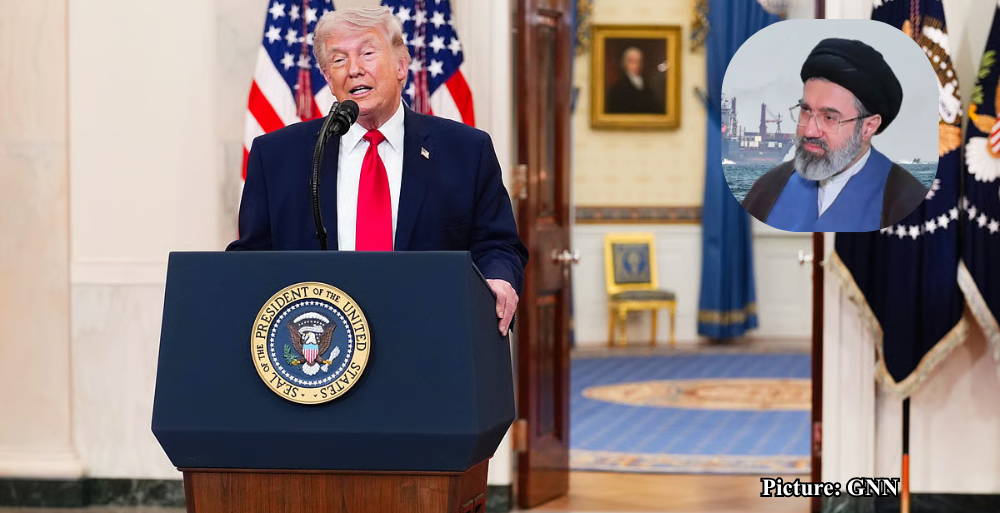
The diplomatic landscape is charged, with the stakes raised by Trump’s comments, indicating that if no deal is reached, he will respond with substantial military action. ‘If they don’t make a deal, I am blowing up everything over there,’ Trump stated during a press briefing on Monday, highlighting the urgency of the situation as the deadline approaches.
Context of the Ongoing Negotiations
Current discussions involve the United States, Iran, and various regional mediators who are attempting to negotiate a two-phase ceasefire. The proposed framework suggests an initial 45-day ceasefire designed to pave the way for broader negotiations, with the possibility of extending this period if needed. However, the likelihood of achieving a ceasefire agreement by the Trump-imposed deadline appears increasingly unlikely.
Trump characterized Iran’s latest proposal as ‘significant,’ but insisted that it fell short of U.S. expectations. ‘I gave them a chance, and they haven’t taken it,’ he remarked, reiterating his administration’s firm stance on the conditions necessary for a ceasefire.
Details of Iran’s Ten-Point Proposal
The Iranian response, which was reportedly deliberated internally for two weeks, emphasizes the need for a permanent cessation of hostilities rather than a temporary ceasefire. This demand has emerged as a principal sticking point in the negotiations, with mediators currently exploring various approaches to ensure that any ceasefire leads to a lasting resolution.
According to IRNA, the Iranian proposal includes several key demands: a complete end to hostilities in the region, particularly in Lebanon—where Israeli military actions have been ongoing—a ‘protocol for safe passage through the Strait of Hormuz,’ as well as financial compensation for reconstruction efforts and the lifting of international sanctions imposed on Iran.
International Reactions and Concerns
In the backdrop of these developments, Israeli Prime Minister Benjamin Netanyahu has voiced strong concerns regarding the potential for a ceasefire agreement. An Israeli official disclosed that Netanyahu communicated his apprehensions to Trump during a recent phone call, emphasizing the need for a cautious approach to negotiations with Iran.
During this conversation, Trump reassured Netanyahu that a ceasefire could be reached if Iran agrees to U.S. demands, which include the surrender of all enriched uranium and a commitment not to resume its uranium enrichment activities. The relationship between the United States and Israel remains crucial as both nations navigate the complexities of these negotiations.
Experts are raising alarms about the implications of Trump’s threats to target Iranian infrastructure, as such actions could be construed as war crimes under international law. The potential for Iranian retaliation poses significant risks, particularly for civilian populations across the Middle East, thereby complicating an already precarious humanitarian situation.
Broader Implications for U.S.-Iran Relations
The negotiations come at a time when U.S.-Iran relations are at a historic low, following the U.S. withdrawal from the Joint Comprehensive Plan of Action (JCPOA) and the subsequent imposition of sanctions that have severely impacted the Iranian economy. Amidst this backdrop, the Iranian leadership’s emphasis on a comprehensive resolution reflects a desire to stabilize the region and potentially re-engage with the international community.
Iran’s insistence on addressing broader regional hostilities, alongside their demands for reparations and the lifting of sanctions, signals their strategic approach to the negotiations. This complexity underscores the difficulty of reaching an agreement that satisfies both parties’ core interests.
Conclusion and Future Outlook
As the Tuesday deadline looms, the prospect of achieving a ceasefire remains uncertain. Both sides appear entrenched in their respective positions, with Trump maintaining his uncompromising stance while Iran emphasizes the necessity for a more durable resolution. The coming days will be critical in shaping the future of U.S.-Iran relations and the geopolitical dynamics within the Middle East, as the world watches closely for developments that could either escalate tensions or pave the way for a diplomatic breakthrough.