The rising popularity of weight-loss medications such as Ozempic and Mounjaro is significantly altering food consumption patterns, resulting in unexpected surpluses of potatoes for farmers in the United Kingdom.
The increasing use of weight-loss injections, particularly Ozempic and Mounjaro, is reshaping food consumption habits across the United Kingdom, leading to a significant surplus of unsold potatoes for farmers. This shift is attributed to changing consumer preferences for healthier food options and a decline in demand for traditional staples. As a consequence, farmers are confronting the prospect of discarding large quantities of their produce, which could have far-reaching implications for the agricultural sector.
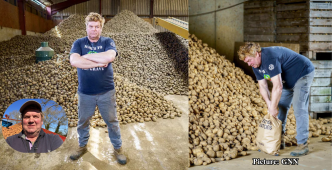
Andy Goodacre, a potato farmer with over 40 years of experience in the industry, is facing a particularly challenging situation. He reported having around 1.3 million pounds of potatoes at risk of being wasted, valued at approximately $158,000. Goodacre’s predicament highlights a broader trend among farmers as consumers increasingly favor alternatives such as lentil-based products over conventional potato items like chips and fries.
Changing Consumer Preferences
Goodacre expressed his concerns about the shifting market dynamics, stating, “I’ve never known a season like it. It doesn’t seem as though people want to eat like they used to.” This observation reflects a deeper trend in consumer behavior, which has been influenced by the appetite-suppressing effects of weight-loss medications. These drugs are changing not only how much people eat but also how frequently they dine out, thereby impacting food sales.
Andrew Crook, president of the National Federation of Fish Friers, corroborated Goodacre’s observations by noting that many of his regular customers have experienced significant weight loss due to these medications. As a result, he has noticed a shift in purchasing patterns, with customers opting to share a single order of fries rather than ordering individual servings. Crook remarked, “There’s definitely factors where people are going to use these jabs, lose weight and then eat less.” He further warned that if farmers cannot sell their potatoes profitably this year, it could lead to reduced plantings in 2027, as growers may choose to shift to more lucrative crops.
Impending Surplus Crisis
The situation for Goodacre and other farmers has become increasingly urgent, as stored potatoes are at risk of spoiling and losing their market value by early April. Goodacre has indicated a willingness to donate any surplus to local food banks if arrangements can be made for collection. However, he expressed concern that without proper channels for distribution, the remaining potatoes might have to be repurposed as cattle feed, marking a significant loss for the agricultural community.
This trend is not isolated to the UK; the influence of GLP-1 weight-loss medications is also being felt in the United States, where restaurants are adjusting their portion sizes in response to changing consumer appetites. Major chains such as Shake Shack and Chipotle are now offering high-protein, low-carb menu options to cater to patrons with reduced appetites. Olive Garden, for example, has introduced a “lighter portion” menu featuring smaller servings at lower prices, while Subway has launched compact “Protein Pockets.” These adaptations indicate a significant shift in consumer preferences that restaurants are eager to accommodate.
Market Implications and Future Outlook
Dr. Fernando Ovalle Jr., an obesity specialist from Florida, has observed a change in public perception regarding portion sizes. He noted that patients frequently report that restaurant servings, which were once considered standard, now seem excessive. This evolving landscape underscores the broader implications of the rising use of weight-loss medications on food production and consumption patterns.
As the market continues to respond to the increased prevalence of weight-loss drugs, agricultural producers, particularly in the potato sector, may need to reevaluate their strategies moving forward. The shift in consumer habits could prompt a reallocation of resources and a rethinking of crop choices, ensuring that farmers remain viable in a changing economic environment.
The intersection of health trends and agricultural production exemplifies the complexities of modern food systems. The challenges faced by farmers like Goodacre serve as a case study of how broader societal changes can directly impact local economies and food supply chains. As the landscape evolves, ongoing monitoring and adaptation will be essential for both farmers and consumers to navigate these shifts successfully.
With the 2023 planting season approaching, the potato surplus crisis raises critical questions about food policy, agricultural sustainability, and consumer behavior. Policymakers and industry stakeholders may need to consider strategies to support farmers facing similar challenges, ensuring that local food systems remain resilient in the face of changing dietary trends.