Residents of Hong Kong are currently navigating the world’s most expensive fuel market, with retail gasoline prices reaching a staggering US$15.60 per gallon as of early April. This surge comes in the wake of escalating military conflict in the Middle East, which has severely disrupted the Strait of Hormuz—a primary artery for global energy. While the city’s administration emphasizes the stability provided by energy ties to mainland China, the local economy is feeling the weight of increased logistics costs and a growing trend of “refuel tourism” across the border.
HONG KONG — As the global energy crisis deepens following the outbreak of hostilities between the United States and Iran, Hong Kong has solidified its position as the most expensive place on Earth to refuel a vehicle. While drivers in the United States express frustration over prices exceeding $4 per gallon, motorists in this Asian financial hub are paying nearly four times that amount.
According to data from GlobalPetrolPrices.com, gasoline prices in Hong Kong reached approximately US$4.11 per liter (US$15.60 per gallon) this week. This represents a 272% premium over the global average, a disparity driven by a combination of high domestic taxes, astronomical land costs for service stations, and the indirect “war premium” currently affecting all petroleum products sourced through the volatile Middle East corridors.
Geopolitical Pressures and the Strait of Hormuz
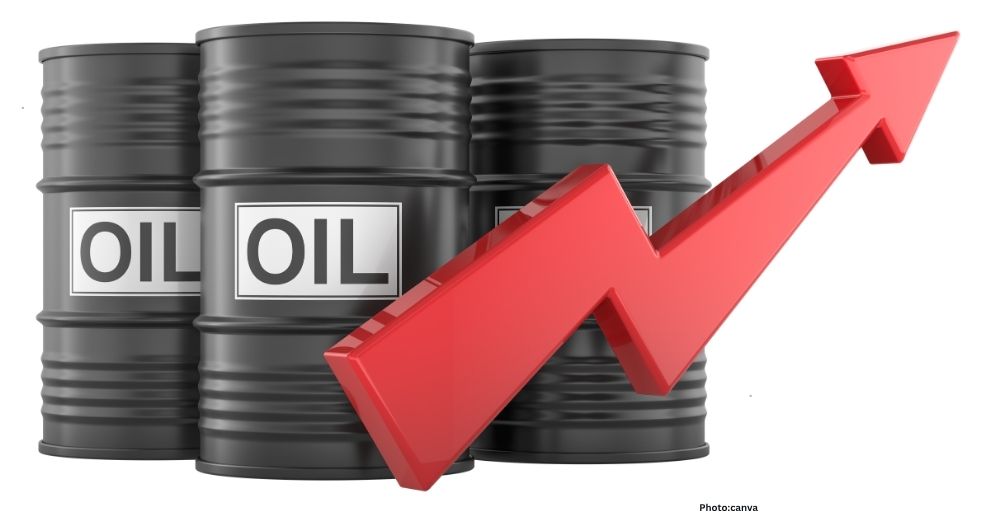
The primary catalyst for the recent spike is the effective closure of the Strait of Hormuz, a chokepoint through which approximately 21 million barrels of oil pass daily. The regional conflict has sent Brent Crude prices upward, with analysts at J.P. Morgan recently warning that sustained military action could push oil toward US$130 per barrel.
For Hong Kong, the impact is twofold. Although the city government reports that 80% of its refined oil products are sourced from mainland China, these supplies are not immune to global market fluctuations. China itself remains a massive importer of crude oil, and while it has successfully transitioned toward renewables—which recently overtook oil as the nation’s second-largest energy source—the marginal cost of refined gasoline remains tied to the international benchmark.
City leader John Lee addressed the situation in a recent briefing, noting that while the “motherland” provides a vital safety net for physical supply, the price of that supply is still subject to the realities of a global shortage. “With the advantage of having strong support from the mainland, Hong Kong has been able to maintain a stable energy supply,” a government spokesperson stated Wednesday. However, for the average consumer, “stable” does not mean “affordable.”
The Economic Ripple Effect
The high cost of fuel is beginning to permeate through the broader economy. Though only about 8.4% of Hong Kong’s 7.5 million residents own private cars—one of the lowest rates in the developed world—the city’s logistics and service sectors are heavily reliant on diesel and gasoline.
The inflation rate in Hong Kong rose to 1.7% in February 2026, a nine-month high, with transport costs leading the index with a 4.3% year-on-year increase. Economists warn that as transport firms pass higher fuel surcharges onto retailers, the price of daily necessities and food will inevitably rise.
For Liu, a food delivery driver who operates a small motorbike, the math of the “gig economy” is no longer adding up. “The oil price for delivering a meal has increased, but the pay has not,” he said, speaking while waiting for an order in the humid heat of Causeway Bay. His sentiment is echoed by Jason Kan, a commercial consultant who has seen his refueling costs jump by 15% since the onset of the conflict. “A 15% increase poses a major impact because fuel prices here already start from a very high base,” Kan explained.
Cross-Border Refueling and Market Shifts
The price disparity has sparked a notable behavioral shift among the city’s car owners. Many are now choosing to drive across the border into Shenzhen, where gasoline prices are frequently one-third of those in Hong Kong. This “refuel tourism” is part of a broader trend where Hong Kongers head to the mainland for more affordable dining, groceries, and services, further draining domestic retail spending.
Furthermore, the extreme cost of liquid fuel is accelerating the city’s transition to electric vehicles (EVs). In January 2026, EVs accounted for 74.2% of all new private car registrations, despite the expiration of the “One-for-One” tax concession scheme. Brands like BYD and Tesla are becoming the default choice for those who still wish to maintain a private vehicle in a city where parking fees can often exceed the monthly rent of a small apartment in other countries.
Historical Context and Structural Costs
Hong Kong’s status as the most expensive gas market is not new, but the current crisis has amplified its structural peculiarities. The city applies a stiff duty on hydrocarbon oils—currently over HK$6.00 per liter for leaded petrol—and the lack of domestic refining capacity means it is entirely dependent on imports.
Historically, the government has used high fuel taxes as a policy tool to manage traffic congestion and encourage the use of the city’s world-class public transportation network, which handles millions of trips daily. However, as the global energy landscape remains fractured by war and supply chain instability, the “Hong Kong premium” is testing the limits of even its most affluent residents.
As the conflict in the Gulf shows no signs of a swift resolution, the Hong Kong government has pledged to monitor price fluctuations closely. For now, however, the city’s drivers remain at the mercy of a global market that shows little sign of cooling.
Tags: Hong Kong, Gasoline Prices, Energy Crisis, Middle East Conflict, Inflation, Logistics Costs, Strait of Hormuz, Electric Vehicles, Global Oil Market, Transport Economics