
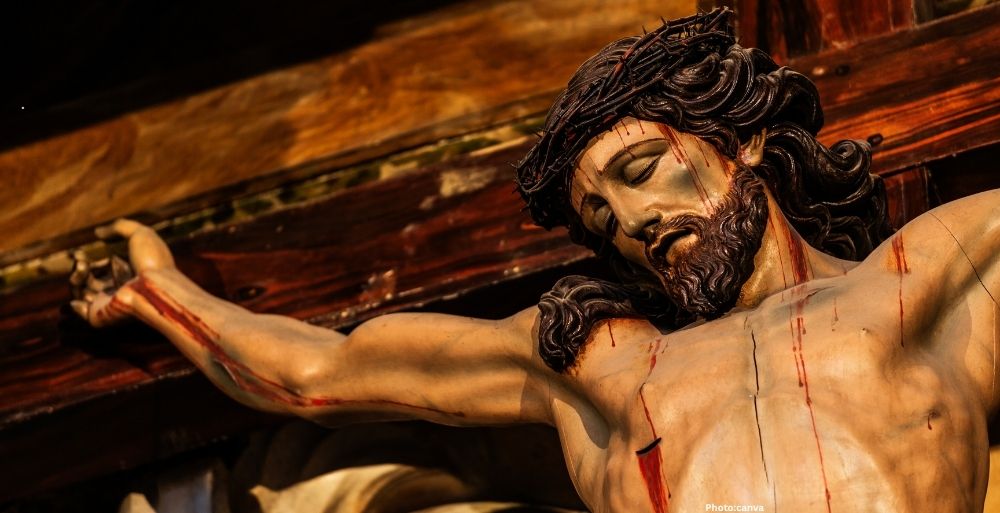
Good Friday, observed on April 3, 2026, is a significant day in the Christian calendar that commemorates the crucifixion of Jesus Christ, a pivotal moment leading into the celebrations of Easter Sunday.
Good Friday, recognized globally by Christians, is one of the most solemn days in the Christian liturgical calendar, marking the crucifixion and death of Jesus Christ. In 2026, this significant observance falls on April 3, coinciding with Holy Week, which culminates in Easter Sunday, a celebration of the resurrection of Jesus. The observance of Good Friday serves as a foundational moment for Christians, who reflect on the profound sacrifice made by Jesus for humanity’s salvation.
The Calculation of Good Friday
The date for Good Friday is not fixed; instead, it varies each year according to the lunar calendar. Specifically, Good Friday occurs two days prior to Easter Sunday, which is determined as the first Sunday following the first full moon after the spring equinox. Consequently, Good Friday can fall anywhere between March 20 and April 23. This method of calculation links Good Friday to the Jewish Passover, a pivotal event that Jesus observed before his crucifixion, thereby embedding the observance within a broader historical and theological framework.
Historical Context and Origins
The origins of Good Friday can be traced back over two millennia to the crucifixion of Jesus Christ in Jerusalem. According to Christian doctrine, Jesus was arrested, tried, and sentenced to death by crucifixion under Roman authority. This event is central to the Christian narrative, symbolizing the ultimate sacrifice made by Jesus, who suffered and died to atone for the sins of humanity. Good Friday is an opportunity for believers to engage in reflection, fasting, and prayer, contemplating the implications of Christ’s sacrifice on their faith and lives.
Spiritual and Theological Significance
For many Christians, Good Friday holds profound spiritual significance, serving as a solemn reminder of Jesus’ love, humility, and his willingness to endure suffering for the redemption of mankind. The crucifixion is regarded as a crucial moment in human history, as it is believed to have made salvation and eternal life accessible to all believers. Observances on Good Friday often include church services, processions, and reenactments of the Passion of Christ, emphasizing his final journey to the cross and the suffering he endured.
Global Observances and Traditions
Good Friday is commemorated in diverse ways across the globe, reflecting local customs and traditions. In many countries, including the United States, the United Kingdom, Australia, Canada, and various European nations, churches conduct special services, prayers, and sermons. Believers may also engage in fasting or abstaining from certain foods as acts of penance, reflecting on the gravity of the day. Additionally, some regions host religious processions that reenact Jesus’ journey to Calvary, while others encourage quiet contemplation at home.
- Church Services: Many congregations hold special prayers, sermons, and meditative services focused on the significance of the day.
- Stations of the Cross: Some Christians participate in rituals known as the Stations of the Cross, which follow the events of Jesus’ final hours, reflecting on his suffering and sacrifice.
- Fasting and Reflection: Observers may choose to fast or relinquish certain luxuries as a form of honoring Jesus’ sacrifice, deepening their spiritual experience.
Although Good Friday is recognized as a public holiday in many countries, it is not a federal holiday in the United States. This distinction often results in adjustments to business operations, school schedules, and government office hours, underscoring the importance of religious observances for many adherents across different cultures.
Cultural and Ethical Reflections
Beyond its religious significance, Good Friday carries substantial cultural implications. The day serves as a catalyst for reflection on moral values, human suffering, and social responsibility. The solemnity associated with Good Friday encourages believers to meditate on themes of life, death, and the hope of resurrection, which is celebrated on Easter Sunday. This duality of mourning and hope is central to the Christian faith and reinforces the belief in the transformative power of resurrection.
Conclusion
As Good Friday approaches in 2026, Christians around the world prepare to engage in observances that reflect both the somber nature of the day and the hope that follows in the resurrection. The day remains a powerful reminder of the foundational beliefs of Christianity, emphasizing the themes of sacrifice, redemption, and the promise of eternal life. Through communal worship, personal reflection, and cultural observance, Good Friday continues to resonate deeply within the hearts of millions, marking an essential moment in the Christian liturgical year.