A fragile ceasefire between the United States and Iran, announced amidst ongoing military actions, has sparked debate regarding its sustainability and implications for U.S. foreign policy.
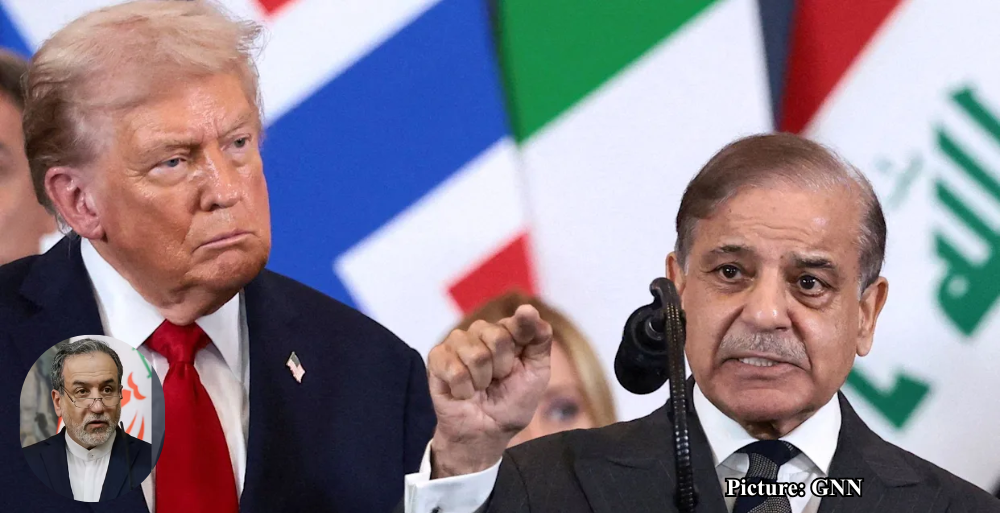
On April 7, 2026, a two-week ceasefire was announced between the United States and Iran, marking a significant pause in hostilities that had escalated over the preceding weeks. This ceasefire was brokered by Pakistan and follows a 38-day air campaign by U.S. and Israeli forces targeting Iranian military and political leadership, including the assassination of Iran’s Supreme Leader, Ayatollah Ali Khamenei. President Donald Trump, who had previously made stark threats against Iran, characterized the ceasefire as a ‘total success’ for the United States, while Iranian officials celebrated what they termed a victory despite substantial military losses.
The military operation aimed to destabilize the Iranian regime and curb its influence in the region. However, contrary to expectations, the Iranian political structure remained intact, and a successor was appointed swiftly by the Assembly of Experts, underscoring the resilience of Iran’s clerical establishment. The rapid establishment of new leadership reflects the deep institutional foundations of the Iranian government, which has historically demonstrated a capacity to endure significant external pressures.
Context of the Ceasefire
The ceasefire is particularly consequential given its timing, as the conflict had previously closed the Strait of Hormuz, a critical chokepoint for global oil shipments, significantly impacting international oil prices, which soared from approximately $70 to over $120 per barrel during the hostilities. The cessation of hostilities not only aims to restore stability to this vital corridor but also highlights the interconnectedness of military actions and global economic ramifications. Iran’s strategic use of the Strait as a pressure point during the conflict has underscored its importance in regional geopolitics, and the potential reopening of this route is crucial for the global economy.
While Trump has lauded the ceasefire as a diplomatic triumph, some analysts argue that it exposes fundamental flaws in U.S. foreign policy. The abrupt transition from aggressive military action to negotiations raises questions about American credibility and strategic coherence. Critics assert that Trump’s approach to international relations, characterized by high-stakes brinkmanship, may undermine long-term diplomatic solutions. The dynamic reflects a broader issue within U.S. foreign policy where military might is often prioritized over diplomatic engagement.
Domestic and International Reactions
The reactions to the ceasefire from various stakeholders have been mixed. Supporters of Trump view the negotiations as a strategic maneuver reflecting his ‘art of the deal’ philosophy, while detractors contend that the president’s actions demonstrate a lack of commitment to U.S. principles of foreign policy and national security. This division is indicative of the polarized political landscape in the United States, where foreign policy decisions can often become entangled with domestic political considerations.
Moreover, Israel, a key ally of the United States in the region, has expressed dissatisfaction with the ceasefire terms, perceiving them as favorable to Iran. Concerns in Tel Aviv center on the belief that a perception of U.S. weakness could embolden Iran and its proxies, potentially destabilizing an already volatile situation. The Israeli government has historically viewed Iranian influence in the region with suspicion, and any agreements perceived to favor Tehran could lead to increased tensions between the U.S. and Israel.
Historical Precedents and Broader Implications
This current conflict and ceasefire echo historical patterns in U.S. foreign policy, particularly since the end of the Cold War. Critics argue that the U.S. has often approached military interventions with an overestimation of its power and an underestimation of the resilience of adversarial states. This assumption has been challenged repeatedly, as seen in the protracted conflicts in Iraq and Afghanistan, and now seemingly in Iran, suggesting a cycle of miscalculations in U.S. engagement strategies.
Author Kishore Mahbubani has noted that the U.S. diplomatic framework often leads to internal conflicts within Washington, with diplomats spending significant time negotiating with multiple agencies rather than focusing on external negotiations. This bureaucratic complexity can hinder effective policy-making and contribute to strategic miscalculations, as observed in the U.S. dealings with Iran and its regional allies.
Future Prospects and the Path Ahead
The upcoming negotiations scheduled to take place in Islamabad will be pivotal in determining the future of U.S.-Iran relations. Iran’s Supreme National Security Council has proposed a comprehensive 10-point framework for peace, which the U.S. has described as a ‘workable basis’ for further discussions. However, the divergence in interests between the two nations remains stark, particularly regarding Iran’s nuclear ambitions and its influence in the region. Iran’s insistence on maintaining a strong regional presence while pursuing its nuclear program presents a challenging landscape for any potential agreement.
As the ceasefire holds for now, the broader implications of this conflict on American foreign policy and its relationships in the Middle East are yet to be fully realized. The war has resulted in significant human and material costs for Iran and has also raised questions about U.S. influence and its ability to shape outcomes in a region characterized by historical complexities and entrenched rivalries. The lack of a coherent strategy moving forward could leave the U.S. in a precarious position, particularly if negotiations falter.
In conclusion, while the ceasefire represents a temporary reprieve from hostilities, the underlying tensions between the United States and Iran suggest that lasting peace may remain elusive. The effectiveness of this ceasefire and its implications for future diplomatic efforts will depend on the willingness of both sides to engage in meaningful dialogue and address the root causes of their long-standing conflict. The dynamics of this situation will be closely monitored, not only for their implications on U.S.-Iran relations but also for the broader geopolitical landscape of the Middle East.