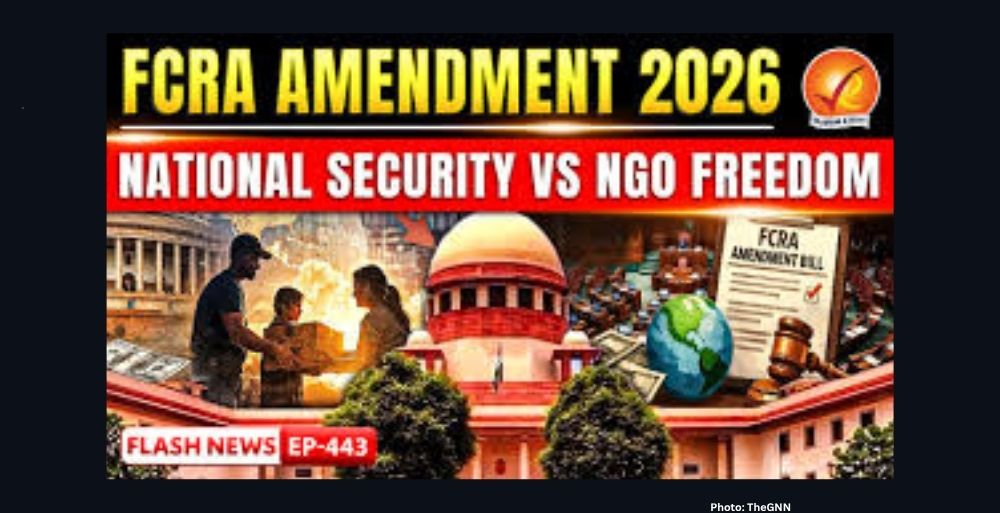
The Foreign Contribution (Regulation) Act (FCRA), 2010, is an Indian legislation regulating the acceptance and utilization of foreign contributions by individuals, associations, and companies to ensure they do not harm national interests. It mandates registration with the Ministry of Home Affairs for receiving foreign funds, valid for five years.

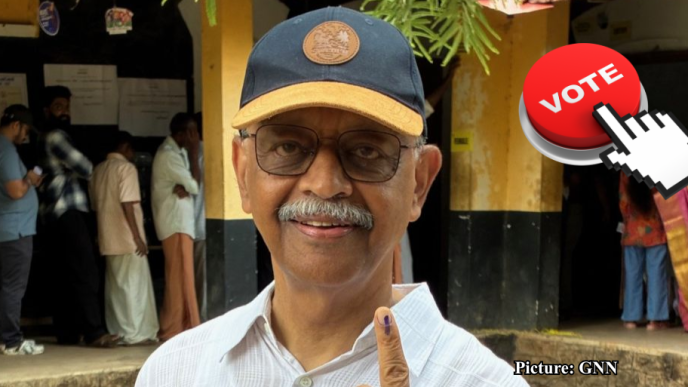
“Why are Christians are making such a fuss about FCRA? …Mata Amritanandamayi has no problem with FCRA,” I was stunned by this remark of a participant (an anchor from the Mathrubhoomi TV channel itself) when I stumbled this debate on the Foreign Contribution Regulation Act (FCRA) Amendment Bill in Kerala going to polls on April 9. This remark unwittingly let out the Hindutva agenda behind FCRA Amendment.
The myopic defense spread by Hindu nationalist lobby to counter the barrage of criticism against the draconian Amendment to the FCRA claims it is only intended ‘to counter conversions and anti-national activities.’ Ignoring the chorus of protests against the Amendment dubbing it as even “draconian, barbaric and undemocratic,” from political leaders and church leaders, the government announced the Amendment Bill will be taken up for discussion (and passed) on April 1 in the Parliament.
However, wisdom dawned on the All-Fools Day morning on the BJP government to adjourn the Bill for next session following vociferous opposition protests inside Parliament and public opposition and major church bodies dispatching special letters to home Minister Amit Shah and Prime Minister Narendra Modi calling for adjournment and proper discussion on the controversial Bill.
The CBCI letter of March 31 to Shah, home minister who handles the sensitive subject of foreign donations, called for “referral of the Bill to a Parliamentary Standing Committee for wider consultation.”
One of the key objectionable provisions in the amendment, the CBCI pointed out: “In all cases where the FCRA registration is either cancelled or surrendered or cessation happens the balance of FCRA funds and the assets created out of the FCRA Funds gets vested in the Designated Authority.”
CBCI reiterated that it was essential “to ensure administrative lapses do not lead to disproportionate penalties such as asset seizure” and called for “establishment of an independent appellate authority is essential to ensure impartial adjudication and effective redressal of grievances.”
“The amendments, as presently understood, may create possibilities for misuse of authority, which could adversely impact many voluntary organizations, non-governmental organizations, and auxiliary institutions—including places of worship—that have been established over decades for public service, irrespective of caste or religion,” cautioned the KCBC in its letter to Modi.
With such strong and logical demands to ensure fairness in legislation to uphold justice, the government had little option but to put the FRCA Bill in the cold storage for the time being. But how long?
Hidden Agenda behind FCRA amendment
Realizing the damaging effect of the draconian FCRA bill on NDA election prospects especially in Kerala where it has won only a single Assembly seat 10 years ago, the ameba-like Sangh Parivar outfits along with vociferous Chrisanghis, are flooding the social media that FCRA amendment will be used only to curb anti-national activities and conversions.
However, the reality is that FCRA has become a powerful tool for the Hindu nationalists to enhance their majoritarian agenda by curbing and choking dissent against anti-people agenda. After the BJP came to power, it amended the FCRA twice in 2015 and 2020. The 2020 amendment even made it mandatory for all licensees to open a designated ‘FCRA Account’ only at the Parliament Street Branch of the State Bank of India in New Delhi to receive foreign donations – key for hawkish eye on foreign donations.
“Since 2014, the government has cancelled the Foreign Contribution Regulation Act (FCRA) licences of more than 20,000 NGOs, including Amnesty International India, Greenpeace India, Oxfam India, the Centre for Policy Research, and the Lawyers Collective,” says ‘Playbook of Repression’ brought out by the network of ‘Global Constitutionalism’.
The FCRA license of the Students’ Educational and Cultural Movement of Ladakh, an NGO founded by climate activist Sonam Wangchuk, was cancelled in September 2025. On his release after six months of detention, Wangchuk described on April 5 the branding of his advocacy work for the people of Ladakh as “anti-national” was a “self-goal” that needed introspection.
The FCRA Dashboard of the government confirms the massive pruning. Of the 52,000 FCRA accounts, 21,979 have been cancelled and 15,187 have not been renewed with only 14,958 remaining active. The sad reality is that most of these 37,000 FCRA licenses pruned belonged to secular advocacy and empowerment groups along with Christian social action groups and charities including international ones like Bread for the World and Compassion International.
“Licenses of several dioceses, and charitable organizations have been cancelled without proper reason,” confirmed Fr Thomas Tharayil, KCBC spokesperson.
Aakar Patel, former chair of Amnesty International India that had its FCRA license withdrawn in 2015 under by the Modi government, has authored the book “Price of the Modi Years”. In this article “My Amnesty Experience & How Modi Govt ‘Wreaked Havoc’ On India’s NGO Sector”, Patel exposes true colours of the mandarins sent on FCRA enforcement: “When I asked at one point if our accounts were to be frozen, I was told by one of the officers that ‘goats are not informed if their throats are to be cut.”
Quoting the World Bank, the ongoing online campaign against the FCRA Amendment points out: “Foreign contributions play a crucial role in supporting development projects in India, with billions of dollars in aid helping to alleviate poverty, support education, and improve public health. Penalizing NGOs for their success in achieving financial independence is counterproductive and detrimental to the social fabric of our nation.”
Abusing FCRA for enforcing Hindutva agenda was writ large when the government announced shamelessly on 2021 Christmas day (remember national holiday) that it has cancelled the FCRA of the Missionaries of Charity congregation founded by Mother Teresa, whom they have been consistently trying to malign.
Enraged by this atrocious act, Odisha Chief Minister Naveen Patnaik challenged the BJP government’s authoritarian move during Covid pandemic by announcing Rs 79 lakh from the Chief Minister’s Relief Fund to 13 institutions run by the MCs in Odisha.
Unable to stomach the fury of criticism like this from India and abroad with UK Parliament even passing a resolution against it, the BJP government meekly restored the FCRA of the Missionaries of Charity till 2026.
This U-turn like the present one – exposes the real agenda behind the bid to make the FCRA more draconian.
April 8, 2026
About the author
Anto Akkara is a journalist working with international media for over three decades, covering conflicts and social concerns across South Asia. He has also authored books and produced documentaries on Kandhamal holocaust and Manipur bloodshed. Akkara has to his credit several ‘leader’ articles for The Times of India – like ‘Tribals are not museum pieces’, ‘Prisons of the Mind (Myanmar)’ and ‘Lankan landmine’ etc – on sensitive topics and his international investigative reports have been carried even in The Washington Post. He has covered extensively the ethnic conflict in Sri Lanka, 2004 tsunami devastation, oppression in Myanmar, and birth of democracy and devastating earthquake that struck Nepal in 2015. In the process, he won a dozen national and international media awards.