




A comprehensive study by the Network Contagion Research Institute (NCRI) has revealed a tripling of anti-Indian content on social media throughout 2025. The data indicates that the surge is not a grassroots phenomenon but is instead driven by a concentrated group of high-influence accounts leveraging shifts in federal immigration policy to amplify ethnic hostility.
The digital landscape of the United States has seen a sharp and targeted escalation in anti-Indian sentiment, as a new report from the Network Contagion Research Institute (NCRI) highlights a troubling synergy between policy debates and online harassment. According to the findings, which were first detailed by The Free Press, the volume of anti-Indian rhetoric on the platform X (formerly Twitter) has tripled over the past year, reaching a scale that researchers describe as both unprecedented and manufactured.
The NCRI identified approximately 24,000 posts in 2025 that contained explicitly anti-Indian rhetoric. While that number might seem modest in the context of global social media traffic, their reach was outsized: these posts garnered more than 300 million views. This disproportionate impact is attributed to a “top-down” dissemination strategy. Rather than an organic spread of sentiment across the general population, the toxicity was fueled by a small cadre of influential accounts. 
The study found that just three “most prolific posters” were responsible for 525 posts, which alone generated 18.4 million interactions—including likes, views, and reposts. Collectively, these three accounts commanded over 10% of all likes and 20% of all reposts within the anti-Indian dataset reviewed by the NCRI. This suggests that the narrative is being curated by a narrow group of influencers rather than reflecting a broad shift in public opinion.
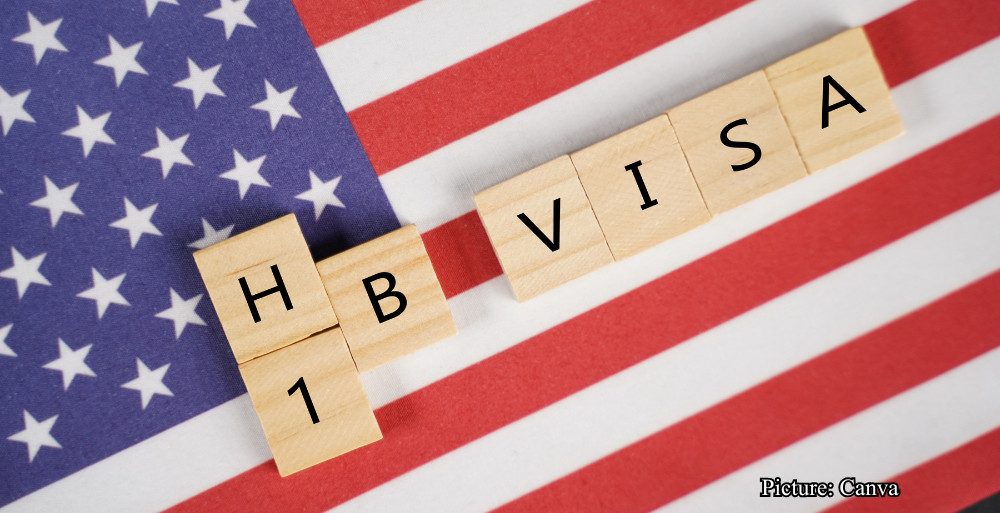
The timing of these digital spikes correlates directly with major administrative actions. Researchers noted that online vitriol peaked following announcements of immigration policy changes under the Trump administration. A primary flashpoint occurred in September 2025, following an executive order that introduced a $100,000 fee for employers sponsoring H-1B visa workers. While the administration framed the fee as a necessary measure to curb fraud and protect domestic labor, the NCRI report suggests the policy served as a catalyst for a wave of “racist verbal abuse.”
“Most of the highly-engaged anti-Indian tweets during this period applauded this order as a way to curb Indian immigration while simultaneously engaging in racist verbal abuse,” the report stated. The discourse frequently devolved from policy critique into the use of ethnic slurs and derogatory stereotypes, with the volume of such posts peaking in mid-December at more than 800 posts per week.
The hostility has not been confined to anonymous visa holders; it has reached the highest echelons of American political life. Second Lady Usha Vance, the daughter of Indian immigrants, was the target of over 2,000 hostile posts, prompting a blunt defense from Vice President J.D. Vance. Other high-profile officials, including FBI Director Kash Patel and Department of Justice Civil Rights head Harmeet Dhillon, have also been subjected to coordinated racist attacks. Dhillon has been vocal in her condemnation of what she describes as “blatant racism and nativism” that has seeped into the political mainstream.
Cultural flashpoints have further exacerbated the tension. A viral video featuring an Indian couple participating in a dance challenge at the World War II Memorial in Washington D.C. became a lightning rod for criticism. While some users argued the act lacked the solemnity required for a national monument, the commentary quickly shifted toward calls for visa restrictions. Replies such as “No more H-1B” became common, illustrating how a specific work authorization has been transformed into a catch-all insult for the broader Indian-American community.
The implications of this trend extend beyond social media friction. Conservative voices within the Indian-American community, such as Utsav Sanduja, have warned that the rise in rhetoric threatens to erode decades of bipartisan support and integration. The report suggests that the “algorithmic boost” provided by social media platforms allows hate speech to bypass traditional social filters, reaching millions who might not otherwise seek out such content.
The NCRI and various advocacy groups are now calling for a dual-pronged response from technology platforms and policymakers. The report argues that platforms must enforce greater transparency on high-view content and curb the algorithmic amplification of accounts that drive hate. Simultaneously, it urges policymakers to distinguish between legitimate immigration reform and ethnic scapegoating, noting that India remains a critical U.S. ally in sectors ranging from defense to high-tech manufacturing.
As the immigration debate continues to dominate the 2026 political cycle, the NCRI’s findings serve as a stark reminder of how quickly policy discourse can be weaponized. For an immigrant group that has historically seen high levels of economic and professional success in the U.S., the digital surge represents a new and volatile chapter in the American immigrant experience.