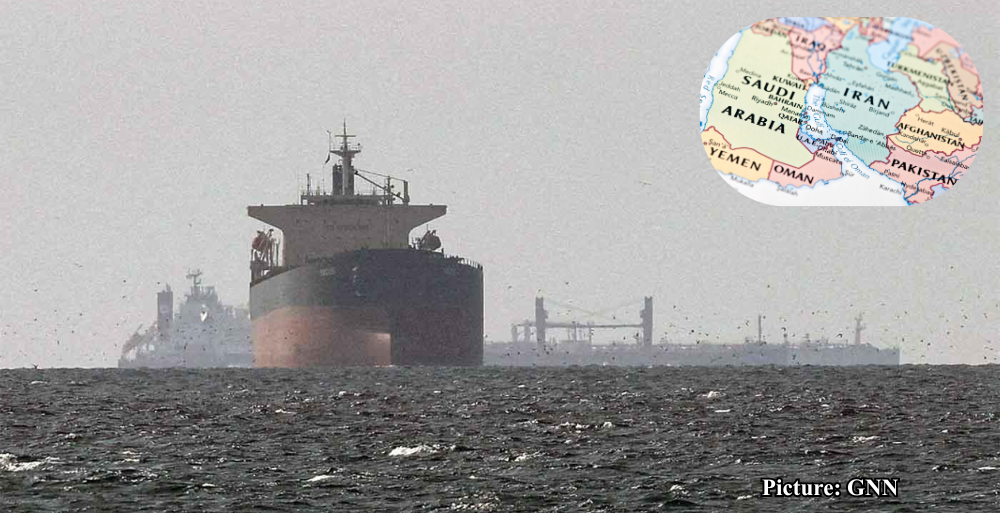
The United Nations Security Council is set to vote on a resolution aimed at securing shipping routes in the Strait of Hormuz, but faces potential veto from China, which warns of serious repercussions if military force is authorized.
The United Nations Security Council is preparing to vote on a critical resolution this Friday concerning the reopening of the Strait of Hormuz to commercial shipping. This vital waterway, which facilitates a significant portion of the world’s oil supply, has been effectively closed to traffic for over a month due to escalating regional tensions. The draft resolution, introduced by Bahrain, seeks to authorize the use of “all defensive means necessary” to protect vessels navigating the strait for a minimum duration of six months.
China has expressed strong opposition to the proposed resolution. During a Security Council session on Thursday, Fu Cong, China’s envoy to the United Nations, articulated Beijing’s concerns. He declared that the authorization of military force could legitimize “the unlawful and indiscriminate use of force, which would inevitably lead to further escalation of the situation and lead to serious consequences.” This statement highlights the delicate balance of power and the geopolitical stakes involved in the ongoing situation.
Efforts to Achieve a Unified Security Council Position
Bahrain, which currently holds the presidency of the Security Council, has been working to garner broader support for the resolution. In an effort to address the objections raised by China and Russia, the draft was revised to eliminate explicit references to binding enforcement measures. Bahrain’s Foreign Minister, Abdullatif bin Rashid Al Zayani, expressed optimism for a unified stance from the council, stating, “We look forward to a unified position from this esteemed Council during the vote that will take place on the draft resolution tomorrow, God willing.” Al Zayani emphasized the necessity of a decisive response to what he described as Iran’s efforts to exert control over navigation in the region.
Global Economic Implications Amidst Rising Oil Prices
The push for the resolution comes amidst a backdrop of soaring global oil prices, which have surged as a result of the ongoing conflict following military actions taken by the U.S. and Israel against Iran in late February. As of the latest market reports, Brent Crude futures have risen by 7.99%, reaching $109.24 per barrel, while West Texas Intermediate (WTI) traded slightly lower at $111.54 per barrel. The rise in oil prices has significant implications for global economies, as the Strait of Hormuz is a key transit route for approximately one-fifth of the world’s crude oil supply.
Exchange-traded funds (ETFs) that track these oil futures have also seen substantial growth over the past month. The United States Oil Fund, LP has increased by 68.30% month-to-date and 97.76% year-to-date, while the United States Brent Oil Fund, LP reported gains of 55.47% month-to-date and 89.76% year-to-date. This volatility in oil prices has raised concerns among market analysts regarding the stability of the global economy.
The Role of U.S. Military Strategy in Regional Stability
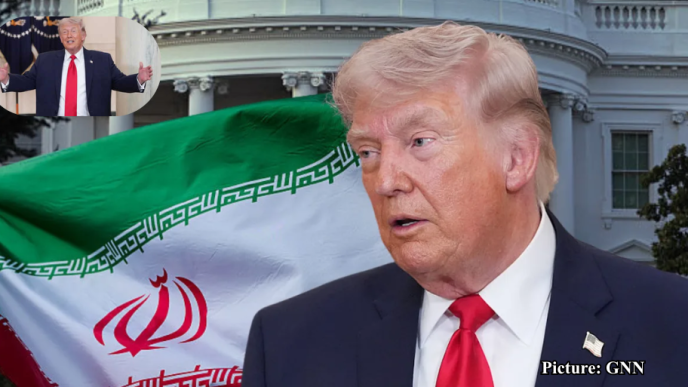
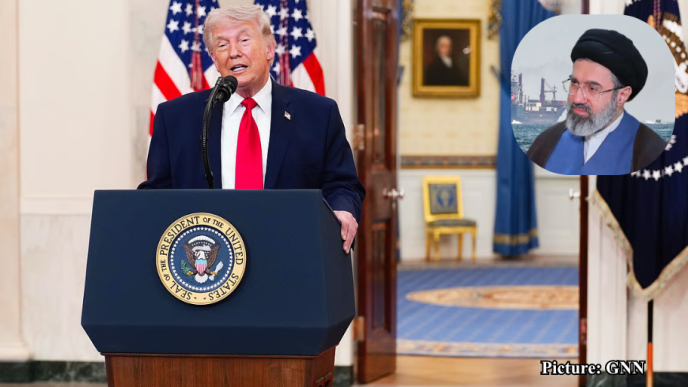
Adding to the complexity of the situation, U.S. President Donald Trump affirmed on Wednesday his intention to continue military operations in the region. His remarks, which lacked a clear strategic framework for reopening the Strait of Hormuz, have further unsettled oil markets and raised questions about the U.S. role in ensuring safe maritime passage. Analysts have expressed widespread concern that ongoing U.S. military engagement could exacerbate tensions and impact the global oil supply chain.
The potential for a Chinese veto introduces another layer of complexity to the Security Council’s deliberations. For the resolution to pass, it requires at least nine favorable votes without any vetoes from the five permanent members: the United States, Russia, China, Britain, and France. The outcome of this vote could have far-reaching implications not just for regional security dynamics but also for global economic conditions, particularly within the oil markets.
Conclusion: A Pivotal Moment for Global Diplomacy
The impending vote in the UN Security Council represents a pivotal moment in international diplomacy concerning the Strait of Hormuz. As tensions escalate, the responses from major powers such as the U.S. and China will be closely scrutinized, both for their immediate impact on the situation and for their long-term ramifications on global security and economic stability. Whether the council can achieve a unified stance remains to be seen, but the stakes are undeniably high as the world watches closely.