One month into the conflict, Iran is utilizing insurgent-style tactics against the U.S. and Israel, leveraging its strategic control over the Strait of Hormuz while grappling with internal challenges.
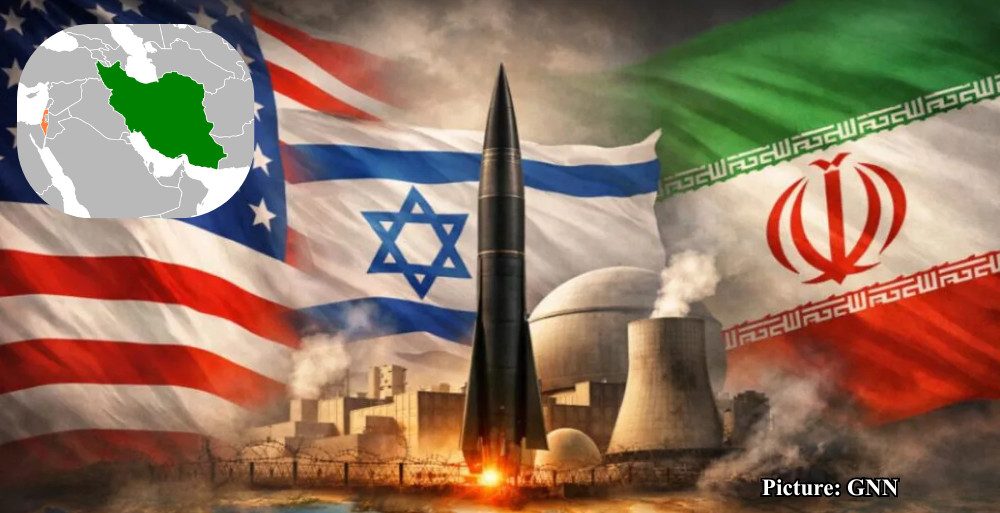
DUBAI, United Arab Emirates (AP) — As the conflict between Iran, the United States, and Israel enters its second month, the dynamics of warfare have shifted significantly. Rather than engage in traditional military confrontations, Iran has adopted an insurgent approach, employing limited resources to maximize its impact on regional adversaries.
Despite facing relentless airstrikes from two of the globe’s most advanced military forces, Iran has demonstrated a remarkable capacity to inflict damage on its Gulf Arab neighbors and Israel through the use of missiles and drones. Furthermore, Tehran’s strategic leverage over the world’s oil supply via the Strait of Hormuz has resulted in significant economic ramifications, affecting global oil prices and markets.
The Strategic Importance of the Strait of Hormuz
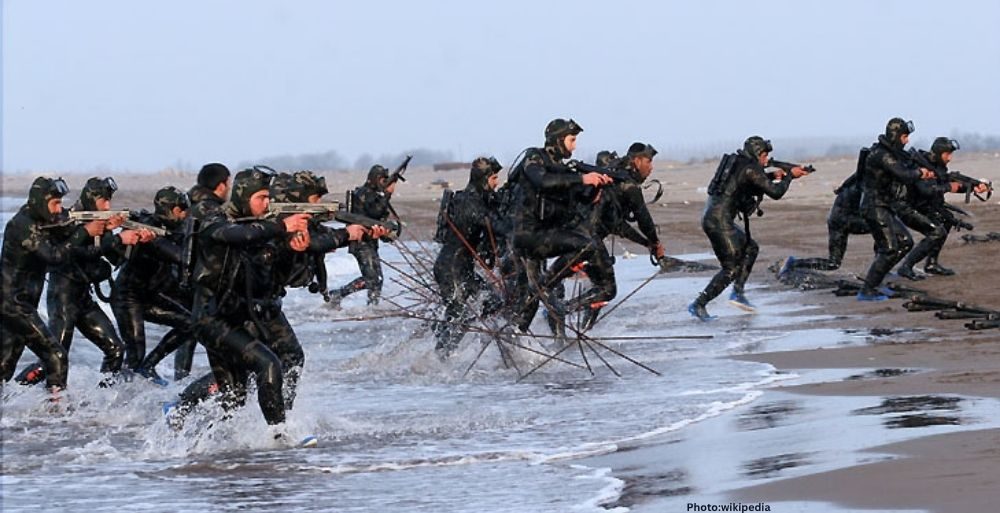
The Strait of Hormuz is a critical maritime passage, responsible for the transit of approximately 20% of the world’s oil and natural gas. Currently, Iranian control has led to a significant decrease in maritime traffic through the strait, with Tehran selectively allowing shipments that align with its interests and at prices it dictates. This control remains even though Iran’s navy has suffered extensive losses in the ongoing conflict.
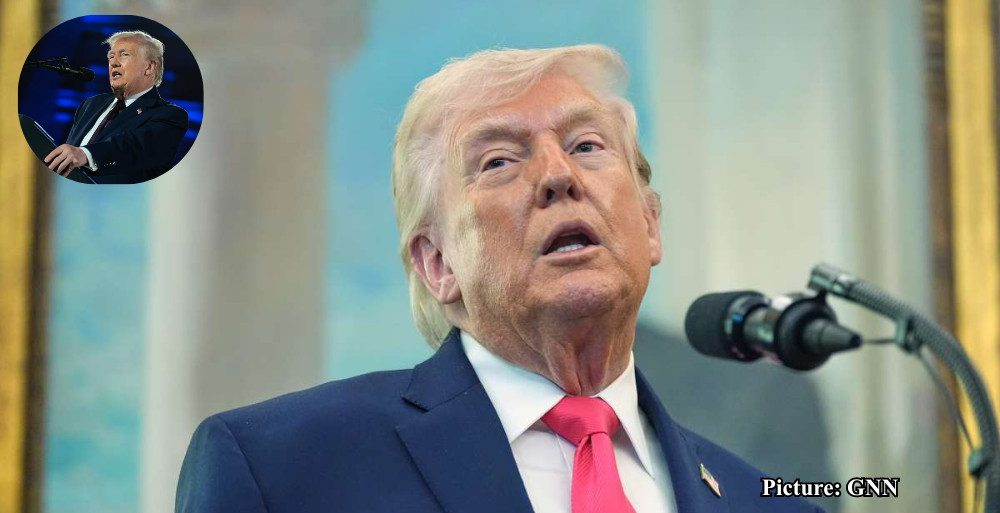
Countries in Asia, which are primary importers of oil routed through the strait, are experiencing acute economic pressure as oil prices surge. This phenomenon has also resulted in rising costs for consumers in Europe and the United States, affecting not just gasoline prices but the overall cost of living. The implications of this are particularly concerning for U.S. President Donald Trump, who faces mounting pressure to address rising living costs ahead of the midterm elections.
Iran’s Resilience Amidst Military Strikes
Despite the ongoing military offensive, analysts indicate that Iran’s strategy revolves around survival rather than outright military victory. Shukriya Bradost, a Middle East security analyst, noted, “The Islamic Republic understands that it cannot defeat the United States militarily. Instead, its objective is both simpler and more strategic: Survive the war long enough to claim victory.”
Even after approximately 9% of Iran’s missile arsenal has reportedly been diminished, the nation retains a complex network of air and sea bases, some of which have been fortified over decades. The establishment of underground facilities and the use of mobile launchers disguised as civilian vehicles further complicate the situation, enabling Iran to maintain its operational capabilities.
Internal Challenges Facing Iran
While Iran has effectively executed its insurgent tactics, it also grapples with significant internal challenges. The Iranian populace has a history of unrest, having previously protested against the ruling theocratic regime earlier this year. Although there are currently no indications of a widespread uprising, the government’s repressive measures during previous protests, which resulted in numerous casualties and detentions, have left a lasting impact.
Reports suggest that the Iranian Revolutionary Guard has intensified recruitment efforts, including enlisting children as young as 12 to bolster its ranks amidst increasing military pressure. This move reflects both a response to public demand for security and an acknowledgment of the strain on their forces. Additionally, questions regarding the leadership stability in Iran have arisen following the alleged injury of Mojtaba Khamenei, the newly appointed supreme leader, which has led to concerns about the central command of military operations.
The Path Forward: Ceasefire or Escalation?
Amidst these complexities, the prospect of a ceasefire remains uncertain. President Trump has indicated that negotiations are in progress; however, Iranian officials have denied any ongoing discussions. The U.S. and Israel face a pivotal decision: either withdraw from the conflict or escalate military actions to reopen the Strait of Hormuz. Trump’s strategy of “escalate to de-escalate” suggests a preference for increased military presence in the region, with additional troops and equipment being deployed in anticipation of further conflict.
As the situation evolves, the challenges facing both sides reveal the intricate interplay of military strategy and domestic politics. The Soufan Center, a New York-based risk advisory group, observed that “Washington seems to believe that an overwhelming display of military power will force the Iranians to the negotiating table.” However, the effectiveness of this strategy remains in question, as historical precedents indicate that military might does not guarantee diplomatic success.
In conclusion, as the conflict continues to unfold, the implications for Iran, the United States, and Israel remain profound. The ongoing struggle over the Strait of Hormuz, combined with Iran’s internal dynamics and the strategic calculus of its leadership, will significantly shape the trajectory of this conflict in the weeks and months to come.