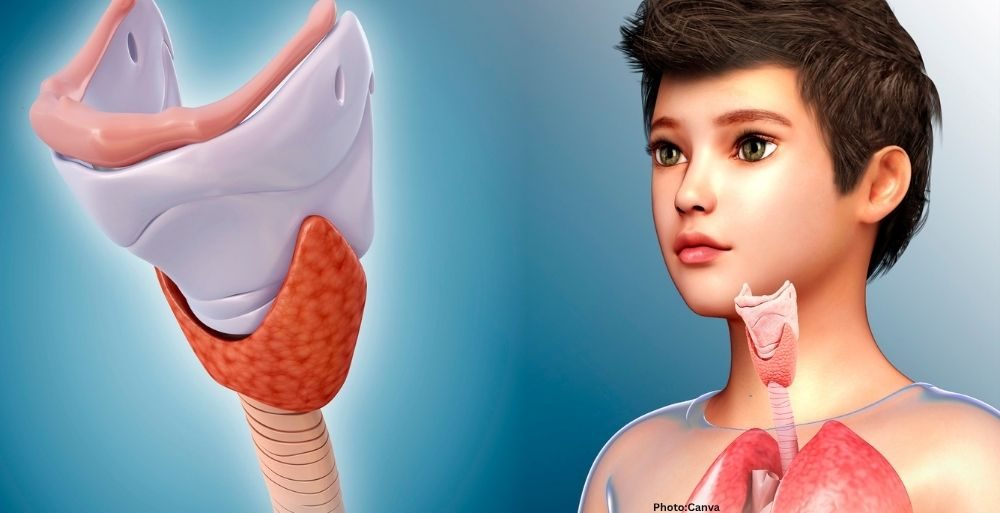
A recent study published in the journal Nature reveals a significant correlation between thymus health and long-term health outcomes, suggesting the thymus plays a crucial role in regulating immune-mediated aging and disease susceptibility.
The thymus gland, located in the upper chest, may hold the key to understanding long-term health and longevity, according to groundbreaking research published on Wednesday in the journal Nature. The study reveals a strong correlation between the health of the thymus and the likelihood of developing serious health conditions, including cardiovascular disease and cancer.
Researchers from various institutions utilized advanced artificial intelligence (AI) technology to analyze over 27,000 patient scans and medical records. This extensive data set allowed them to draw compelling conclusions about the role of the thymus in health outcomes throughout life. The findings indicate that individuals with a healthy thymus exhibit significantly lower mortality rates compared to those with compromised thymic health. Specifically, the study reported a mortality rate of 13.4 percent among individuals with high thymic health, in stark contrast to a 25.5 percent mortality rate for those with low thymic health.
Understanding the Thymus
The thymus is a two-lobed organ situated between the lungs and plays a critical role in the immune system by producing T-lymphocytes, which are essential white blood cells that help protect the body against infections and diseases. Throughout life, the thymus undergoes a process of involution, where it gradually shrinks and is replaced by fatty tissue, leading to a decline in its functionality.
This degradation of thymic health is significant, particularly as it correlates with increased risks for various diseases. The study highlighted that 5.3 percent of participants with low thymic health developed lung cancer, while 16.7 percent experienced cardiovascular issues. These statistics underscore the potential of the thymus as a predictive marker for serious health complications, especially in older populations.
Implications for Aging and Disease Prevention
The implications of this research extend beyond individual health; they may influence public health strategies and interventions aimed at improving longevity and quality of life. The findings encourage further exploration into how maintaining thymic health could mitigate the risks associated with age-related diseases. Researchers are optimistic that understanding the mechanisms behind thymus function could lead to new therapeutic strategies that enhance immune function and promote healthier aging.
Dr. John Smith, a lead researcher on the study, emphasized the importance of these findings: “These results reposition the thymus as a central regulator of immune-mediated aging and disease susceptibility in adulthood. Our study opens new avenues for research into how we can prolong thymic health and, by extension, improve overall health outcomes in aging populations.” This perspective points to the potential need for medical interventions that could preserve or enhance thymic function.
Potential for Future Research
As the scientific community processes these insights, the study raises questions about the potential for developing interventions that could preserve or restore thymic function. Future research may focus on lifestyle changes, dietary influences, and medical treatments that can support thymic health and, by extension, longevity. For instance, there is growing interest in how nutrition and exercise can influence immune health and potentially slow thymic involution.
The findings also have implications for the aging population, which is steadily increasing in many countries. According to the United Nations, the global population aged 65 years or older is projected to reach 1.5 billion by 2050. As this demographic grows, understanding the role of the thymus in health maintenance becomes increasingly critical. The study’s revelations may inform not only individual health decisions but also public health policies designed to address the needs of aging populations.
Broader Context and Historical Background
The thymus has been a subject of scientific interest for decades, primarily because of its role in the immune system. However, its significance in the context of aging and disease susceptibility has only recently gained attention. Historically, the thymus was thought to diminish in importance after adolescence, as its size and function decline with age. This study challenges that notion, presenting evidence that a healthy thymus is vital for sustaining immune function and preventing severe health outcomes later in life.
Moreover, the integration of AI in medical research represents a significant advancement in how researchers can analyze vast amounts of data to uncover correlations that were previously difficult to discern. This innovative approach may pave the way for future studies to explore additional markers of health and longevity, potentially leading to breakthroughs in preventive medicine.
Conclusion
This study marks a pivotal moment in the understanding of the thymus and its role in health. By revealing a direct link between thymic health and critical health outcomes, researchers are paving the way for a deeper understanding of aging and immune health. As the population ages, insights like these could provide essential guidance for both individuals and healthcare systems aiming to enhance health outcomes and longevity. The potential to improve quality of life through thymic health represents a promising frontier in medical research that could have far-reaching implications for public health.