As the U.S.-led military campaign against Iran enters its second week, a deepening rift has emerged between President Trump’s 2024 campaign rhetoric and his administration’s current foreign policy. While Republican bases in the Midwest remain steadfast, a surge in energy prices and a ballooning daily war chest are alienating the Independent voters who were instrumental in rebuilding the “Blue Wall.”
The political geography of the American Midwest—specifically the “Blue Wall” states of Michigan, Wisconsin, and Pennsylvania—has long been the graveyard of conventional political wisdom. In 2024, these states returned to the Republican column, driven in part by a specific promise made by then-candidate Donald Trump: an end to “endless wars” and a disciplined focus on “America First.” However, as the U.S. military pivots from domestic manufacturing to a high-intensity conflict with Iran, that promise is being tested by the realities of $900 million-a-day combat operations and a global energy shock.
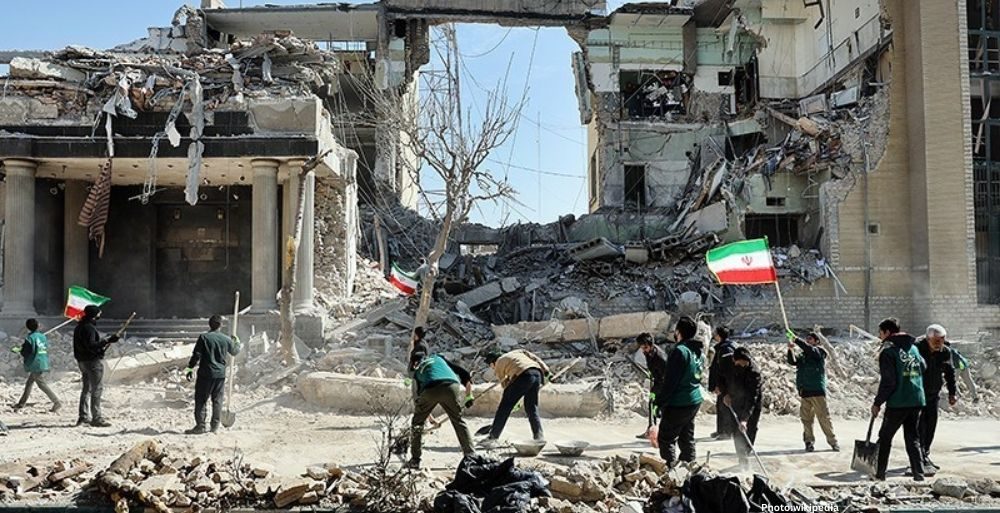
The tension is most palpable in places like Hamtramck and Macomb County, Michigan. In October 2024, Trump stood in Hamtramck—a city with a significant Muslim and Middle Eastern diaspora—promising to “get peace in the Middle East.” Today, those same streets are grappling with the news of a bombing campaign that has claimed over 1,300 Iranian lives and resulted in the deaths of at least 13 American service members.
The Swing State Calculus: Energy and Independents
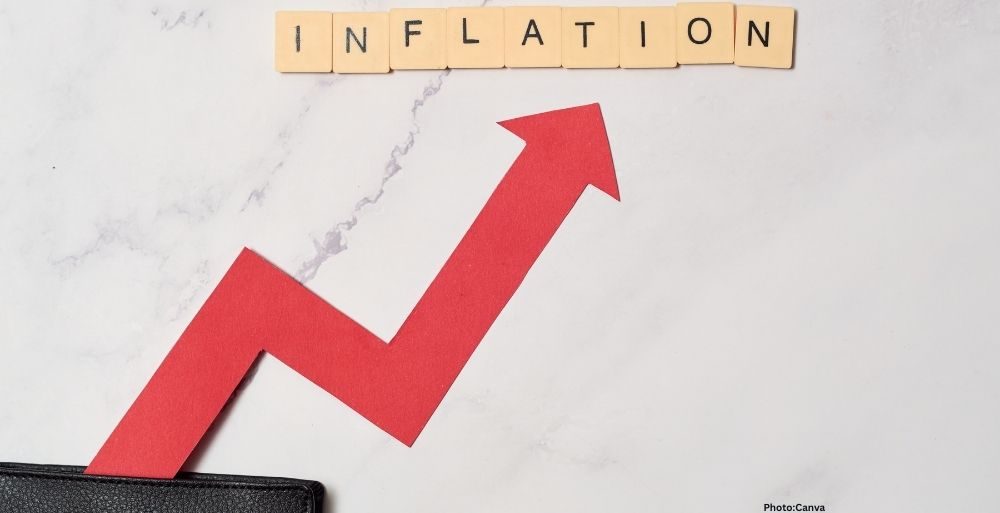
For the “forgotten class” of voters in the industrial Midwest, foreign policy is often viewed through the lens of the gas pump. Barbara VanSyckel, vice-chair of the Macomb County Republican Party, notes that while the base supports the necessity of neutralizing the Iranian regime, the electorate’s patience is tethered to the price of fuel. With Iran effectively leveraging the Strait of Hormuz to cripple global oil transit, the resulting spike in energy costs threatens to erode the economic gains Trump promised to his “Reagan Democrat” supporters.
While 85% of Republicans nationally support the war, the true danger to the Trump administration lies with Independents. In recent polling by Quinnipiac University, 60% of Independent voters expressed outright opposition to the military action. In states like Wisconsin and Michigan, where Independents make up roughly 30% of the electorate, this shift could prove decisive in the upcoming midterm elections.
Divided on Tactics, United on Threat
Despite the division over the military operation itself, a nuanced consensus is emerging regarding the Iranian regime. A study by Schoen Cooperman Research found that 66% of Americans view Iran as a serious threat to national security. Even those who oppose the current airstrikes largely agree with the campaign’s underlying goals:
- 78% support stopping Iran from funding terrorist proxies.
- 72% support the permanent termination of Iran’s nuclear program.
- 59% support the concept of regime change.
However, this support remains conditional and highly sensitive to the prospect of “boots on the ground.” Stephanie Soucek, chair of the Republican Party in Door County, Wisconsin, emphasizes that even supporters do not want a repeat of the Iraq War. “They want it to be as quick as possible… we don’t want troops on the ground,” she said. This sentiment creates a narrow “Goldilocks zone” for the administration: they must achieve definitive results through airpower without slipping into a quagmire that requires a massive ground deployment.
The Information War at Home
The administration’s struggle to provide a “coherent and incoherent justification” for the war has become a primary target for advocacy groups like Voters Not Politicians. However, polling suggests that when the White House leans into the humanitarian and security records of the Iranian regime—specifically the brutal crackdown on January’s domestic protests, which reportedly saw 30,000 to 40,000 civilians killed by government forces—public support increases across party lines.
As the conflict moves forward, the “America First” doctrine is being redefined in real-time. If the war successfully neutralizes a long-standing threat and gas prices stabilize, Trump may hold his coalition together. But if the “messy middle” of this conflict results in high American casualties and a sustained economic downturn, the very voters who built the “Blue Wall” may be the ones to tear it down.