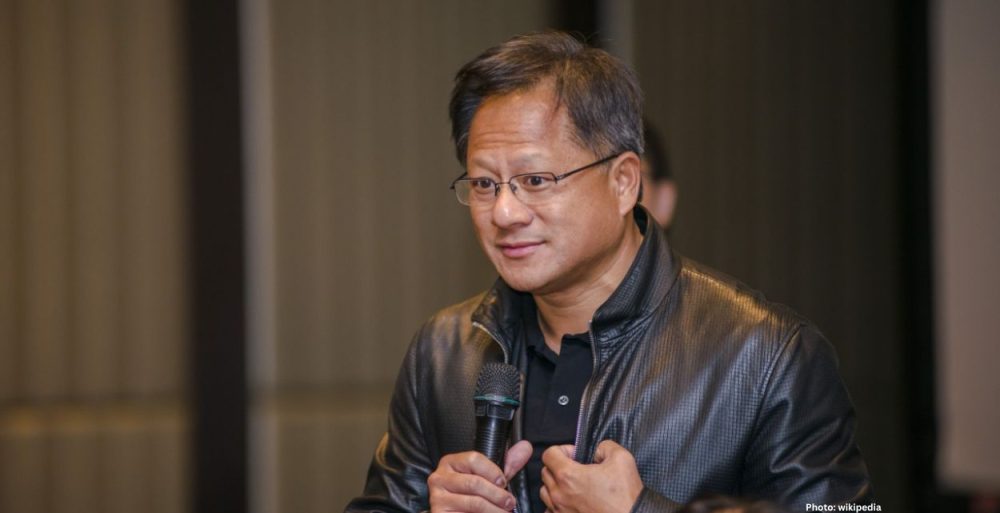
Nvidia’s CEO, Jensen Huang, envisions a future where the demand for blue-collar workers like electricians and plumbers will skyrocket, emphasizing their essential role in the burgeoning tech-driven economy.
In a world increasingly dominated by the allure of Silicon Valley’s tech giants and the digital revolution, it is easy to overlook the indispensable role of traditional trades in supporting this high-tech infrastructure. Jensen Huang, the CEO of Nvidia, a titan in the semiconductor industry, has recently brought this reality into sharp focus. In a statement that might seem counterintuitive at first glance, Huang predicts that the future will not be solely powered by tech-savvy entrepreneurs and software developers, but rather by the skilled hands of electricians and plumbers. This perspective is not merely a nod to the importance of blue-collar jobs but a clarion call to recognize the symbiotic relationship between technology and the trades.
Huang’s assertion comes at a time when Nvidia is at the forefront of technological innovation, particularly in the realms of artificial intelligence (AI) and graphics processing units (GPUs). The company’s products are pivotal in powering everything from gaming to AI research and autonomous vehicles. However, the infrastructure supporting these advancements requires a robust network of electrical and plumbing systems to function seamlessly. As data centers expand and new technologies emerge, the demand for skilled tradespeople to build and maintain these systems is set to increase exponentially.
The broader context of Huang’s statement lies in the ongoing transformation of the global workforce. As industries evolve, so too does the nature of employment. The World Economic Forum’s Future of Jobs Report 2020 highlights that while new technologies will create millions of new jobs, they will also render many existing roles obsolete. This shift necessitates a reevaluation of the skills that will be in demand in the future. Electricians and plumbers, with their expertise in the physical infrastructure that underpins our digital world, are poised to become even more critical.
Historically, the trades have been undervalued in comparison to white-collar professions. However, the narrative is changing as the complexity and technical requirements of these roles increase. Modern electricians and plumbers are not just tasked with basic installations and repairs; they are integral to implementing sophisticated systems involving smart technology and energy-efficient solutions. The integration of IoT (Internet of Things) devices, for example, requires a deep understanding of both electrical systems and digital networks. This intersection of traditional skills and cutting-edge technology highlights the evolving nature of these professions.
Moreover, the economic landscape is shifting, with significant implications for workforce development. The U.S. Bureau of Labor Statistics projects that employment in the trades will grow faster than the average for all occupations over the next decade. This growth is driven by the need to replace retiring workers and the increasing demand for infrastructure improvements. As Huang suggests, this demand will be further amplified by the tech sector’s expansion, necessitating a large-scale investment in training and education for future tradespeople.
In response to this need, educational institutions and industry leaders are collaborating to develop training programs that equip workers with the necessary skills. Apprenticeships and vocational training are being revitalized to meet the complex demands of modern infrastructure projects. These programs not only provide practical experience but also offer pathways to stable and lucrative careers, countering the stereotype of blue-collar work as less desirable.
Huang’s remarks also touch upon a broader cultural shift towards valuing practical skills and craftsmanship. As society grapples with the challenges of climate change and sustainable development, the role of tradespeople in implementing green technologies becomes increasingly vital. Electricians and plumbers are at the forefront of installing solar panels, wind turbines, and energy-efficient appliances, contributing to the global push for sustainability.
The implications of Huang’s vision extend beyond the immediate demand for tradespeople. It prompts a reevaluation of how we perceive and reward different types of work. In an era where digital prowess is often equated with success, recognizing the value of physical labor and technical expertise is crucial. This perspective aligns with a growing movement to redefine what constitutes meaningful and impactful work in a rapidly changing world.
In conclusion, Jensen Huang’s insights serve as a timely reminder that the future of work is not a binary choice between technology and tradition, but rather a fusion of the two. As we navigate the complexities of the 21st-century economy, the symbiotic relationship between tech innovators and skilled tradespeople will be essential in building a sustainable and prosperous future. The challenge lies in ensuring that this partnership is recognized, valued, and supported through policy, education, and cultural change. Only then can we truly harness the potential of both our digital and physical worlds.