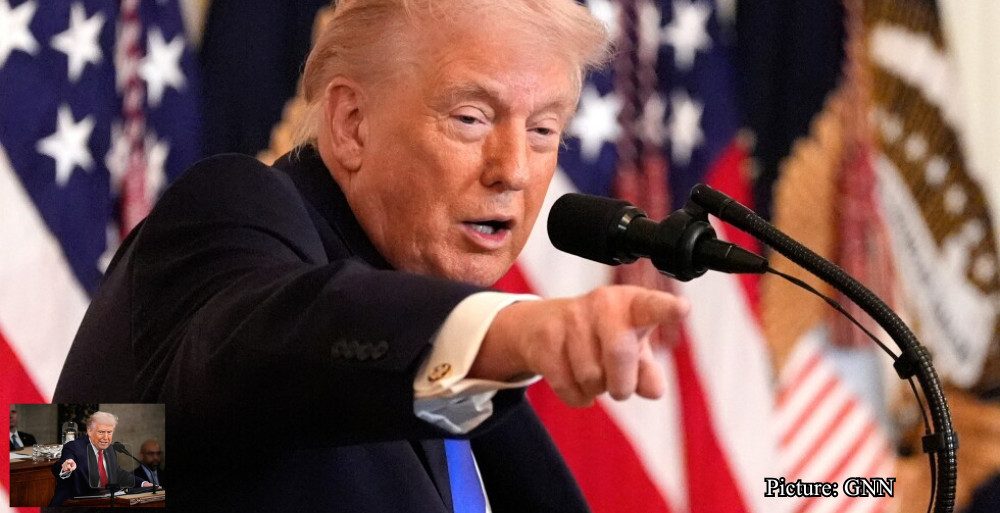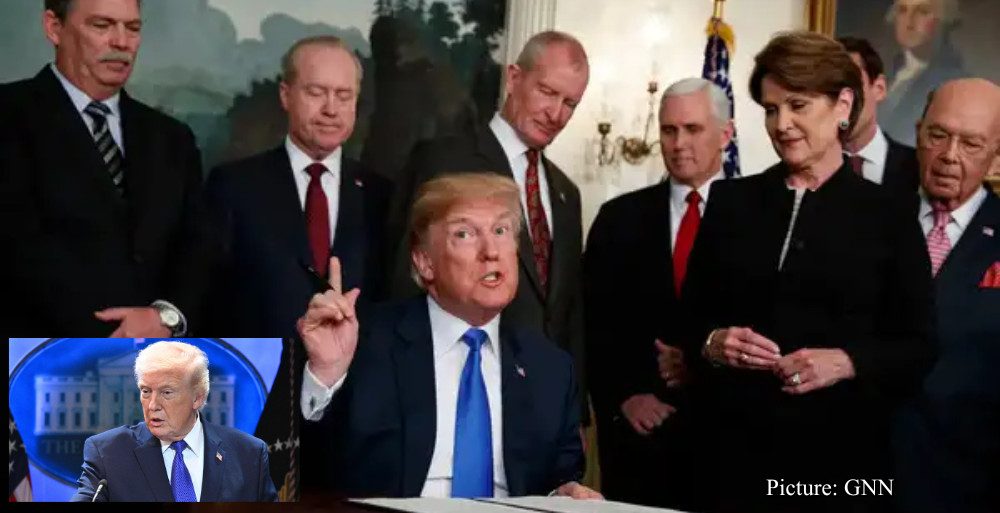
The recent announcement by President Trump to raise global tariffs to 15% comes at a time of significant political and economic uncertainty. This decision, coupled with the upcoming State of the Union address, highlights the complexities of the current administration’s policies. An NPR poll reveals that most Americans perceive the state of the union as not strong, reflecting a nation grappling with internal and external challenges.
In a move that has sent ripples across the global economic landscape, President Donald Trump has announced an increase in global tariffs to 15%. This decision marks a significant escalation in the administration’s trade policy, which has been characterized by a series of tariffs aimed at protecting American industries. The timing of this announcement is particularly noteworthy, coming just a day before the President is set to deliver the State of the Union address, an annual event that traditionally outlines the administration’s accomplishments and future agenda.
Tariffs, often described as a double-edged sword, are taxes imposed on imported goods and are intended to make foreign products more expensive, thereby encouraging consumers to buy domestic products. However, the implications of such economic measures are far-reaching and complex. On one hand, tariffs can bolster domestic industries by reducing foreign competition. On the other hand, they can lead to retaliatory measures from other countries, disrupt global supply chains, and increase costs for consumers and businesses alike.
The decision to raise tariffs to 15% is part of a broader strategy by the Trump administration to renegotiate trade deals and address what it perceives as unfair trade practices by other nations. This approach has been met with mixed reactions. Supporters argue that it is a necessary step to protect American jobs and industries, particularly in sectors like steel and aluminum, which have suffered from foreign competition. Critics, however, warn that such protectionist measures could lead to a trade war, with detrimental effects on the global economy.
As the world watches the unfolding trade dynamics, the domestic political landscape is equally charged. The upcoming State of the Union address presents an opportunity for President Trump to articulate his administration’s achievements and future plans. However, an NPR poll indicates that a majority of Americans view the state of the union as not strong. This sentiment reflects a nation divided on key issues such as healthcare, immigration, and economic inequality.
The State of the Union address is a pivotal moment in American politics, offering the President a platform to communicate directly with the public and Congress. Historically, these addresses have served as a barometer of the nation’s mood and priorities. In recent years, however, they have also highlighted the deep partisan divides that characterize contemporary American politics. The current administration’s policies, particularly on trade and immigration, have been polarizing, contributing to a sense of unease among many Americans.
In the realm of international relations, the increased tariffs are likely to strain relationships with key trading partners. Countries affected by these tariffs may retaliate with their own measures, leading to a cycle of economic tit-for-tat that could destabilize global markets. The European Union, China, and Canada, among others, have previously expressed concerns over the U.S.’s protectionist stance, and this latest move is unlikely to assuage those tensions.
As the world prepares for the Winter Games, an event that traditionally symbolizes international cooperation and goodwill, the backdrop of escalating trade tensions presents a stark contrast. The Games, held every four years, bring together athletes from around the world in a celebration of sport and unity. This year’s event, however, is overshadowed by geopolitical tensions and economic uncertainties, underscoring the interconnectedness of global events.
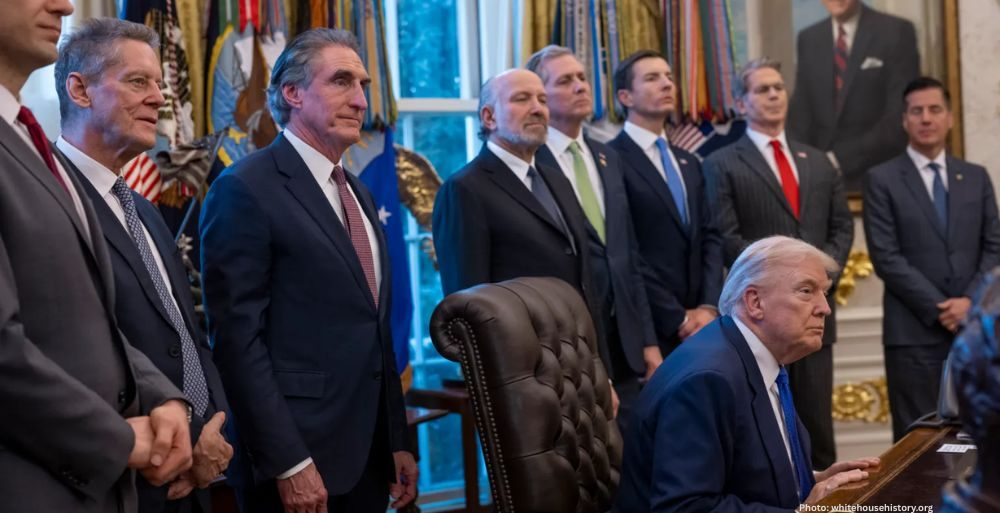
The intersection of economic policy and political discourse is a defining feature of the current era. As President Trump prepares to address the nation, the implications of his administration’s policies will be scrutinized by both domestic and international audiences. The increased tariffs, while aimed at strengthening American industries, could have unintended consequences that reverberate across the globe.
In conclusion, the decision to raise global tariffs to 15% is a bold move that reflects the Trump administration’s commitment to reshaping the global economic order. However, it also poses significant risks, both economically and politically. As the President takes the stage for the State of the Union address, the nation will be listening closely, seeking clarity and direction in a time of uncertainty. The outcome of these policies will not only shape the economic landscape but also influence the broader geopolitical dynamics in the years to come.