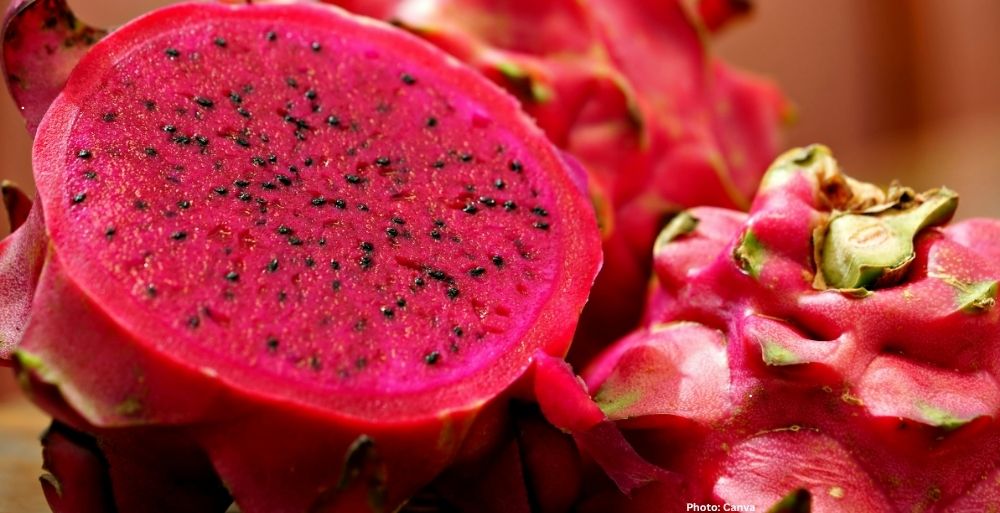
A team of researchers from the National University of Singapore has developed a method to enhance the nutritional profile of bread by incorporating bioactive compounds extracted from the peel of red dragon fruit, offering a dual benefit of improving health outcomes and reducing food waste.
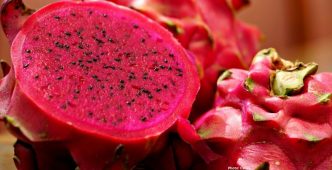
A research team led by Professor Zhou Weibiao at the National University of Singapore (NUS) has made notable advancements in food science by devising a method to enrich the nutritional value of bread through the integration of extracts derived from the peel of the red dragon fruit, known scientifically as Hylocereus polyrhizus. This innovative approach not only aims to address the global challenge of food waste but also offers a sustainable solution to improve the health benefits of a staple food item that is consumed worldwide.
Utilization of Red Dragon Fruit Peel
The researchers focused on utilizing a purified betacyanin-rich extract (PBRE) from the peel of the red dragon fruit, a by-product that is often discarded during the processing of the fruit. By incorporating this extract into wheat bread at controlled levels, the researchers discovered that an optimal concentration of 0.75 percent significantly enhanced both the nutritional profile and the texture of the bread.
Betacyanins, the principal bioactive compounds present in red dragon fruit peel, have shown considerable promise due to their stability at typical food pH levels and their solubility in water. These properties facilitate their interaction with gluten proteins in dough, which is vital for achieving the desired texture and rise during baking. While previous studies focused on anthocyanins, the research team shifted their attention to betacyanins because of their superior bioavailability, suggesting that these compounds may be more effectively absorbed by the human body, potentially leading to improved health outcomes.
Health Benefits of Fortified Bread
Professor Zhou articulated the significance of this research, stating, “Functional staples such as PBRE-fortified bread provide a practical way to incorporate bioactive compounds into daily diets. With diabetes rates increasing globally, improving the nutritional quality of commonly consumed foods may help reduce glycaemic load and enhance antioxidant intake without requiring major changes in eating habits.” This statement underscores the pressing need for nutritional improvements in everyday foods, particularly as lifestyle diseases such as diabetes become increasingly prevalent.
In laboratory experiments, the team found that moderate levels of betacyanins positively affected the rise of the dough, while higher concentrations had adverse effects on the elasticity and overall quality of the bread. The researchers concluded that the 0.75 percent fortification provided an optimal balance between baking performance and nutritional enhancement, resulting in bread that exhibited significantly higher antioxidant levels than standard varieties. Additionally, the fortified bread demonstrated a slower rate of starch digestion, leading to a lower estimated glycemic index, which is beneficial for maintaining stable blood sugar levels.
Addressing Global Food Waste
The implications of this research extend beyond nutritional enhancement; the team is also tackling the pressing global issue of food waste. According to the Food and Agriculture Organization (FAO), approximately one-third of all food produced globally is wasted, which represents a significant loss of resources and contributes to environmental degradation. By converting agricultural by-products like fruit peel into functional food ingredients, the researchers are not only improving the nutritional quality of everyday foods but also promoting a more sustainable approach to food production.
The use of a purified extract, rather than whole fruit peel, allows for more consistent and precise results, thereby demonstrating a practical method for repurposing food waste in food production. This innovative approach may encourage other researchers and food manufacturers to explore the potential of utilizing food waste in creating healthier food options.
Future Research Directions
Looking ahead, the research team plans to investigate the application of similar natural extracts in other common food items. Their overarching goal is to enhance the nutritional quality of various staple foods while simultaneously reducing waste, thereby supporting a more efficient and sustainable food production system. This research not only contributes to public health but also aligns with global sustainability goals.
Publication and Further Information
The findings of this study are detailed in the research paper titled “Incorporation of purified betacyanin-rich extract from Hylocereus polyrhizus peel into bread and its impacts on dough properties, bread baking quality, and nutritional attributes,” authored by Xiaojuan Xu, Serena Wong Mun Rui, Yingfen Jiang, Kelly Natalia Djohari, and Weibiao Zhou. This paper was published on November 3, 2025, in the journal Food Chemistry, and can be accessed using DOI: 10.1016/j.foodchem.2025.146943.
The outcomes of this research could pave the way for future innovations in food science, particularly in the development of healthier food options that leverage waste materials, thereby contributing to both public health and environmental sustainability.