Following a significant electoral shift in Hungary, Péter Magyar has urged the president to convene parliament swiftly to establish a new government, marking a potential end to Viktor Orbán’s long tenure as prime minister.
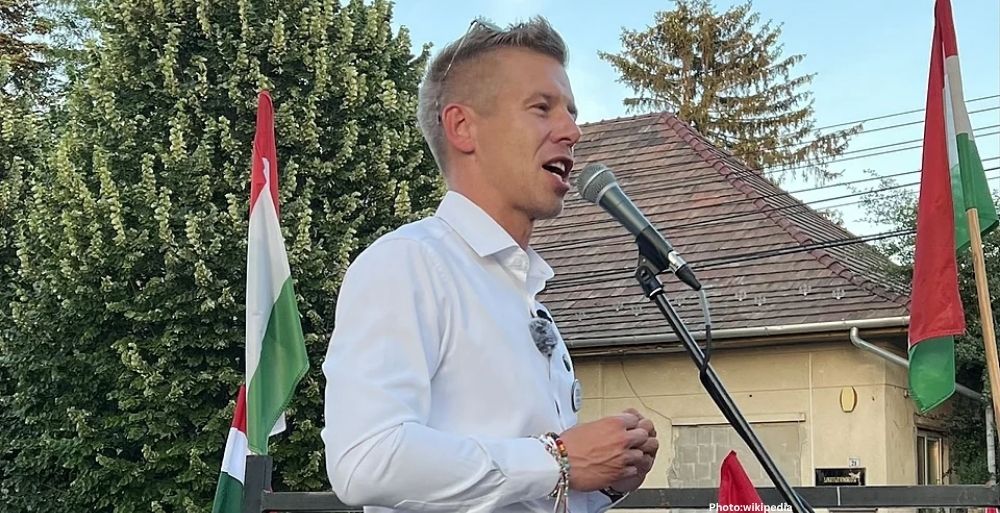
BUDAPEST, Hungary — In a historic election outcome, Péter Magyar’s party, Tisza, secured a commanding victory in Hungary’s parliamentary elections, winning 138 out of 199 seats. This decisive victory provides Magyar with a super-majority that could facilitate substantial changes in governance, marking a notable shift from the 16-year rule of Viktor Orbán. On Monday, Magyar called on President Katalin Novák to convene the parliament to form a new government “as quickly as possible,” with aspirations to assume the premiership by May 5.
Restoration of Democratic Principles
At a news conference held in Budapest, Magyar emphasized his commitment to restoring the rule of law and reforming governmental structures to enhance independence and combat corruption. He outlined plans to create new ministries focused on critical areas such as public health, environmental protection, and education. “The Hungarian people didn’t vote for a simple change of government, but for a complete change in regime,” Magyar stated, reflecting the sentiment of many voters looking for a departure from Orbán’s policies.
Magyar has expressed opposition to fast-tracking European Union membership for Ukraine amid ongoing conflict but suggested a more collaborative approach towards EU financial assistance. Unlike Orbán, who vetoed a €90 billion EU loan for Ukraine, Magyar indicated he would prefer Hungary to “opt out” of participating in the loan due to its own financial difficulties.
Public Sentiment and Celebrations
The announcement of Magyar’s victory sparked widespread celebrations across Budapest, with thousands taking to the streets to express their elation. Many citizens, particularly younger voters, viewed the election results as a beacon of hope for a more liberated Hungary within the European fold. Celebrations included honking car horns and singing anti-government songs, with one reveler, Adrien Rixer, stating, “Finally I can say that I’m a proud Hungarian, finally after 16 years.”
While the election results bring optimism, there are concerns about the implications of such a significant majority. Some observers worry that a two-thirds majority may not guarantee a fair government, with one participant, Dániel Kovács, voicing skepticism, “It’s hard to see that with two-thirds that it’s going to be a fair government, but we will see.”
Challenges Ahead for Magyar’s Administration
Despite the overwhelming electoral success, Magyar’s government may face significant obstacles. Analysts, including Bulcsú Hunyadi from the Budapest-based think tank Political Capital, noted that many key institutions in Hungary remain under the control of allies loyal to Orbán. This includes important positions within the media authority, the public prosecutor’s office, and the Constitutional Court, where appointments have been strategically extended to maintain influence.
Magyar has called for these officials, including Hungary’s president, to resign voluntarily, although analysts suggest there may be limited avenues to remove entrenched leaders from power. Hunyadi stated, “They don’t really have any other tools to remove these people,” indicating a potentially rocky path ahead for the new government.
Economic and EU Relations
Critically, Magyar has accused Orbán’s administration of mismanaging the economy and social services, which he claims have led to unchecked corruption and the concentration of wealth among a select few. He has vowed to investigate such abuses and plans to establish an Office for the Recovery and Protection of National Assets to reclaim what he describes as ill-gotten gains associated with Orbán’s allies.
Additionally, Magyar aims to unlock billions of euros in EU funding that has been withheld due to concerns regarding corruption and the rule of law under Orbán’s governance. He has pledged to introduce the euro in Hungary by 2030, a significant shift from Orbán’s previous resistance to such a move. Hunyadi noted that the new government will face “tight pressure” from the EU to implement reforms quickly in order to access these crucial funds, with deadlines set for August of this year.
Impact on Ukraine Relations
Magyar’s victory has raised expectations across the EU for a change in Hungary’s approach to Ukraine, particularly after Orbán’s history of obstructing EU sanctions against Russia and blocking aid to Ukraine. Ukrainian Foreign Minister Andrii Sybiha expressed hope that the election results would lead to a normalization of relations, stating, “We expect that … the election results will also contribute to a normalization of political relations.”
As Hungary navigates this significant transition, the implications of Magyar’s leadership and the policies he intends to pursue will be closely monitored both domestically and throughout Europe.