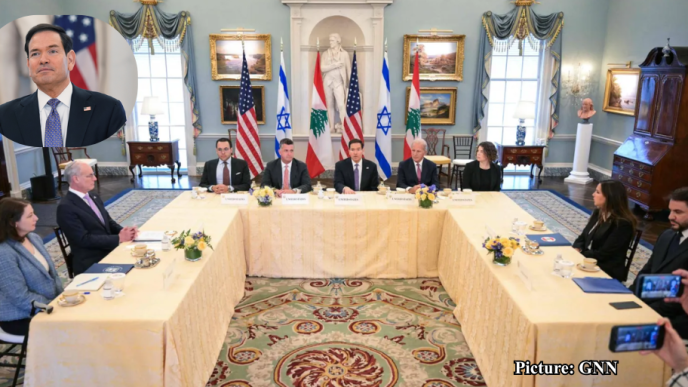
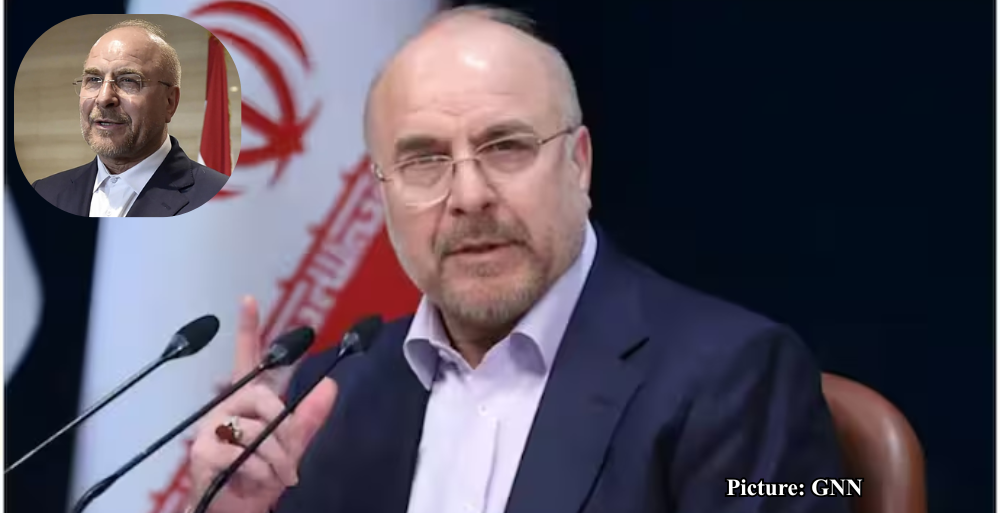
Mohammad Bagher Qalibaf, Speaker of Iran’s Parliament, stated that negotiations with the U.S. cannot commence without a ceasefire in Lebanon and the release of blocked Iranian assets.
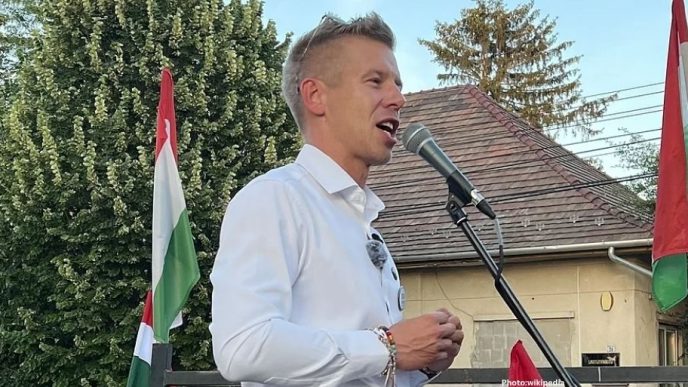
On Friday, Mohammad Bagher Qalibaf, the Speaker of Iran’s Parliament, declared that any negotiations between Iran and the United States are contingent upon a ceasefire in Lebanon and the unblocking of Iranian assets. His comments, conveyed via the social media platform X, emphasized that two mutually agreed-upon measures have yet to be implemented, which he identified as prerequisites for the commencement of talks.
These statements come in the wake of a fragile ceasefire established on Tuesday, which temporarily halted military actions that had escalated following a joint U.S.-Israeli attack on February 28. In retaliation, Iran initiated actions to close the strategically significant Strait of Hormuz and engaged in military responses against its Persian Gulf allies.
Ceasefire Violations and Accusations
In the current geopolitical climate, both the U.S. and Iran have accused each other of failing to adhere to the ceasefire agreement. The Trump administration has dismissed Iranian claims that the ceasefire extends to Lebanon, where Israel has been conducting extensive military operations against Hezbollah. The situation reflects the complexities of the ongoing conflict, which has historical roots dating back decades and involves multiple regional players.
Earlier, Qalibaf criticized the U.S. for breaching three clauses of a ten-point proposal put forth by Iran. These included allegations of violations related to military strikes in Lebanon, drone incursions into Iranian airspace, and attempts to constrain Iran’s uranium enrichment activities. On Wednesday, Qalibaf expressed his grievances on X, stating, “Now, the very ‘workable basis on which to negotiate’ has been openly and clearly violated, even before the negotiations began.” He referenced comments made by White House Press Secretary Karoline Leavitt, who had described the ten-point plan as a foundation for future discussions. Qalibaf concluded that under the current circumstances, pursuing a bilateral ceasefire or negotiations would be unreasonable.
Upcoming Diplomatic Meetings
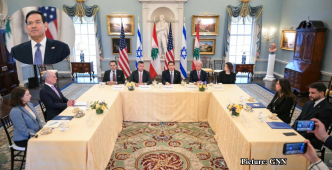
Despite the escalating tensions, a high-level U.S. delegation, which includes Vice President Vance, Special Envoy Steve Witkoff, and Jared Kushner, President Trump’s son-in-law, is scheduled to engage in discussions with Iranian officials in Islamabad on Saturday. This meeting is expected to address a range of issues pertinent to U.S.-Iran relations, including the ongoing conflict in Lebanon and broader regional security concerns.
Israel’s Position and Negotiations with Lebanon
In parallel, Israeli Prime Minister Benjamin Netanyahu has directed his Cabinet to initiate negotiations with Lebanese officials. This decision follows what Netanyahu described as “repeated requests” from various stakeholders. He indicated that the discussions would primarily focus on disarming Hezbollah and establishing a durable peace between Israel and Lebanon. The dynamics of these negotiations are particularly critical, given the recent escalation of violence and the fragile ceasefire agreement.
Netanyahu’s government has been under pressure to address security concerns related to Hezbollah, which has been a significant actor in the region and a longstanding adversary of Israel. The push for negotiations highlights the complexity of regional politics, where military actions and diplomatic overtures are often intertwined.
Humanitarian Concerns and International Reactions
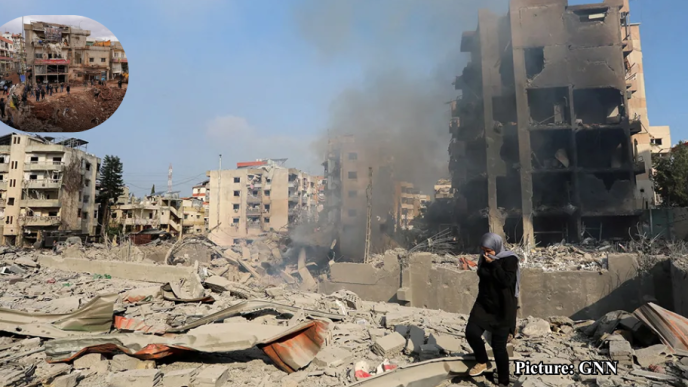
The ongoing conflict has raised significant humanitarian concerns within Lebanon and surrounding areas. Heba Morayef, the regional director for Amnesty International in the Middle East and North Africa, reported that Wednesday marked the deadliest day in Lebanon since Israel commenced its airstrikes last month. The rising civilian casualties and destruction have prompted increasing international scrutiny and concern over the humanitarian impact of the conflict.
In response to the escalating violence, Lebanon’s Prime Minister, Nawaf Salam, announced that his government is planning to file a formal complaint with the United Nations Security Council regarding the military strikes. This move underscores Lebanon’s desire to seek international support and intervention to address the ongoing crisis. The complaint is expected to highlight the violations of international law and the urgent need for a ceasefire to protect civilian lives.
The complex dynamics of the current geopolitical landscape underscore the challenges facing peace negotiations in the region. The interplay between military actions, diplomatic efforts, and humanitarian crises continues to evolve, highlighting the need for careful monitoring of developments as stakeholders navigate these turbulent waters. The outcomes of the upcoming talks in Islamabad and the negotiations initiated by Israel with Lebanon will be pivotal in shaping the future of regional stability and security.