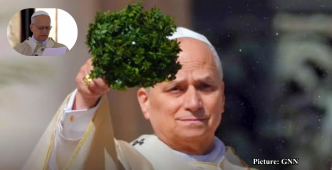
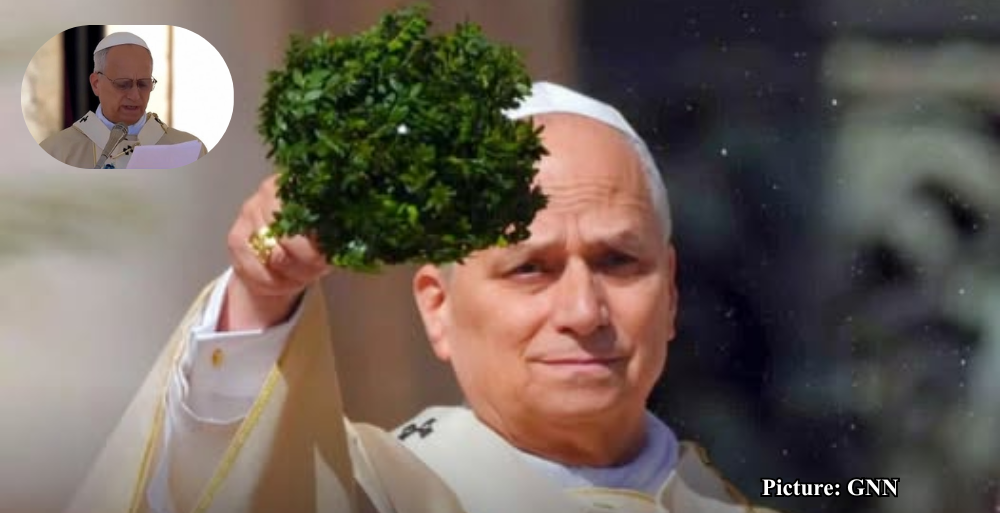
Pope Leo XIV’s inaugural Easter message emphasizes the importance of nonviolence and dialogue, urging individuals and leaders to foster peace amid global conflict.
Vatican City, April 6, 2026: In a significant inaugural address, Pope Leo XIV delivered his first Easter “Urbi et Orbi” message on April 5, 2026, addressing tens of thousands gathered in St. Peter’s Square and millions more via global broadcasts. The pope’s message centered on the urgent need for peace and the rejection of violence, themes particularly poignant in a world characterized by conflict and division.
“Christ is risen! Happy Easter!” the pope proclaimed, marking the celebration of Easter Sunday, a day that traditionally symbolizes hope, renewal, and the triumph of life over death. His remarks reflected on the profound theological implications of Christ’s resurrection, which he described as a victory not achieved through violence, but through an enduring commitment to love and sacrifice.
Nonviolent Strength of the Resurrection
Pope Leo XIV articulated a vision of strength rooted in nonviolence, stating, “Christ, our ‘victorious King,’ fought and won his battle through trusting abandonment to the Father’s will.” This interpretation underscores a significant theological point: true power lies in the capacity to enact change through peaceful means, rather than through coercive force.
The pope likened the resurrection to “a grain of wheat” that must die to bring forth new life, illustrating that peace can emerge from vulnerability and humility. He suggested that, like a “human heart which, wounded by an offense, rejects the instinct for revenge,” individuals can choose paths of reconciliation and understanding over conflict.
“This nonviolent power fosters respectful relationships at every level: among individuals, families, social groups, and nations,” he stated, reinforcing the idea that genuine peace requires active participation in dialogue and compassion.
Call to Reject Indifference and Violence
A particularly striking aspect of the pope’s message was his denunciation of what he termed a “globalization of indifference,” a phrase resonant with the teachings of his predecessor, Pope Francis. Pope Leo XIV lamented the growing normalization of violence in contemporary society, which he argued has led to widespread apathy toward the suffering and deaths of countless individuals due to war and conflict.
In a fervent appeal, he urged both leaders and citizens to choose dialogue over domination and compassion over conflict. “Let those who have weapons lay them down! Let those who have the power to unleash wars choose peace! Not a peace imposed by force, but through dialogue!” he declared, highlighting that Christ’s vision of peace transcends the mere cessation of hostilities; it requires a fundamental transformation of the human heart.
Invitation to Prayer Vigil for Peace
Concluding his address, Pope Leo XIV extended a heartfelt invitation to Catholics worldwide to participate in a prayer vigil for peace at St. Peter’s Basilica on April 11. “Let us make heard the cry for peace that springs from our hearts,” he urged, encouraging the faithful to reject every desire for conflict, domination, and power, and to entrust the world to God’s love.
This call to action reflects the urgency of the pope’s message in a global context marked by significant unrest and division, where the pathways to peace often seem obscured by the shadows of violence and distrust. “He is the only one who makes all things new,” the pope emphasized, closing with a blessing for peace: “Happy Easter!”
Pope Leo XIV’s Easter message resonates not only within the Catholic community but also with a broader audience, advocating for a world where love, understanding, and compassion prevail over violence and division. His call for peace serves as a reminder of the moral imperative to foster dialogue and reconciliation, particularly in times of strife.
The significance of the pope’s message is underscored by the current global landscape, which has seen a resurgence of conflicts and humanitarian crises. As nations grapple with the challenges of war, migration, and social injustice, the call for nonviolent solutions and a commitment to dialogue becomes increasingly relevant. In this light, Pope Leo XIV’s Easter message not only reflects the teachings of the Church but also serves as a beacon of hope for those seeking a path toward reconciliation and peace.
As the world continues to navigate complex issues, the pope’s emphasis on the transformative power of love and the necessity of compassionate engagement highlights a vital aspect of contemporary moral discourse. His Easter message, therefore, stands as an appeal not merely for an end to violence, but for a deeper, more profound commitment to understanding and cooperation among all people.