Pakistan’s shift from a nation often criticized for its foreign policy to a key mediator in the Iran conflict highlights its evolving role in international diplomacy.
ISLAMABAD — Once regarded as an international pariah due to its tumultuous foreign relations and internal strife, Pakistan is undergoing a remarkable transformation. The country has recently positioned itself as a potential mediator in the ongoing conflict in Iran, signaling a significant shift in its diplomatic strategy.
This transformation is underscored by Pakistan’s long-standing historical ties with Iran and its strategic geopolitical significance in the region. The shift comes at a time when Iran faces increasing isolation on the global stage due to economic sanctions and diplomatic rifts, particularly with Western nations. Pakistan’s involvement reflects a broader strategy to enhance its role as a stabilizing force in South Asia and beyond.
Historical Context of Pakistan-Iran Relations
Pakistan and Iran share a complex history, marked by both cooperation and tension. Established in 1947, the two nations have often found common ground, particularly in their shared Islamic heritage and mutual concerns regarding regional security. However, their relationship has been tested by various factors, including sectarian divides, particularly between Sunni-majority Pakistan and Shiite-majority Iran, and their respective alliances with broader geopolitical powers.
In recent years, Pakistan’s foreign policy has been characterized by a balancing act. The country has sought to maintain strong ties with China and the United States while also fostering relationships with its neighbors, including Iran. This multi-faceted approach is particularly pertinent as regional dynamics continue to evolve with the ongoing tensions between Iran and its adversaries.
Recent Developments and Diplomatic Initiatives
In the wake of heightened tensions in the Middle East, particularly following the assassination of Iranian General Qassem Soleimani in 2020 and the subsequent escalation of military confrontations, Pakistan has stepped into a mediating role. The Pakistani government has emphasized its commitment to facilitating dialogue between Iran and other regional players, including Saudi Arabia and the United Arab Emirates.
Pakistan’s Foreign Minister Bilawal Bhutto Zardari has publicly articulated this diplomatic pivot, stating, “We believe that dialogue is the only way forward. Pakistan is ready to play its part as a mediator in the Iran conflict, and we are committed to fostering peace and stability in the region.” This statement aligns with Pakistan’s broader strategy of enhancing its diplomatic profile while addressing regional security concerns.
Strategic Importance of Mediation
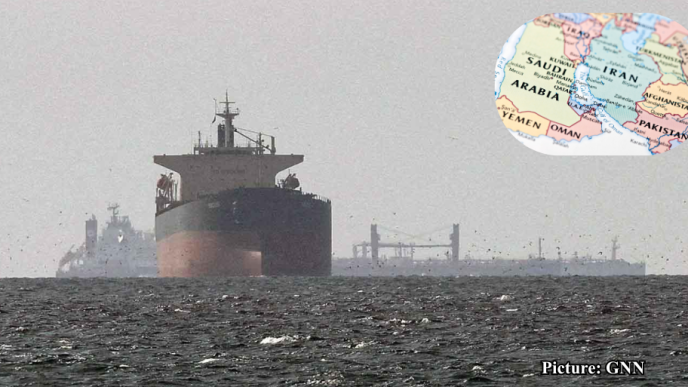
The potential for Pakistan to act as a mediator is bolstered by its strategic location and historical context. Situated between Iran and India, and sharing a border with Afghanistan, Pakistan is uniquely positioned to facilitate discussions that could lead to de-escalation in the region. Furthermore, the country has previously played a mediating role in other conflicts, which adds to its credibility as a broker in the Iran crisis.
Moreover, Pakistan’s economic interests are at stake. The China-Pakistan Economic Corridor (CPEC), a multi-billion dollar infrastructure project, relies on regional stability for its success. The involvement of Iran, particularly in energy and trade, is critical for Pakistan’s economic future, making a stable relationship with Tehran advantageous for Islamabad.
Challenges Ahead
Despite its aspirations to mediate, Pakistan faces significant challenges in navigating the complexities of the Iran conflict. The deep-rooted historical grievances, sectarian tensions, and the influence of external powers such as the United States and Russia complicate the landscape. Moreover, domestic political stability in Pakistan remains fragile, which could hinder its ability to engage effectively in international diplomacy.
Critics of Pakistan’s foreign policy have raised concerns about its capacity to mediate effectively, citing past failures and the need for a more coherent strategy. Analysts argue that while Pakistan’s intentions may be genuine, the country’s internal divisions and external pressures could undermine its efforts.
The Path Forward
As Pakistan seeks to redefine its role on the international stage, its potential as a mediator in the Iran conflict represents both an opportunity and a challenge. The outcome of these diplomatic efforts will not only influence Pakistan’s standing in the region but also shape the broader geopolitical dynamics in South Asia and the Middle East.
In conclusion, Pakistan’s evolution from an international outcast to a diplomatic mediator underscores a significant shift in its foreign policy strategy. While the path ahead is fraught with challenges, the country’s commitment to fostering dialogue and stability in the region may pave the way for a new chapter in its international relations.